 Thistle Britches
Pull onto the Parkway at 4:30 on a Saturday in July and you will understand why people ask the question. Neon dinosaurs. An upside down building. Go-kart engines screaming two stories above your windshield. A man in an airbrushed shark costume waving at traffic that has not moved in six minutes. Somewhere ahead of you is a fudge shop, and somewhere behind you is a fudge shop, and you are starting to suspect they are the same fudge shop.
So, why is Pigeon Forge a tourist trap? That is the question travelers type at midnight while comparing cabin listings, and it deserves a straight answer rather than a defensive one. I host guests less than a mile from Dollywood's front gate, and I will tell you plainly: parts of this town absolutely earn the label. Other parts are among the best value in the entire Southeast. The difference between a trip you talk about for years and a trip you shrug about comes down to knowing which is which before you arrive.
Here is the honest breakdown, from someone whose deck faces south toward the Dollywood tree line.
Key Takeaways
- Pigeon Forge reads as a tourist trap mostly because of the Parkway corridor, not because of the mountains behind it.
- The genuine value sits in Great Smoky Mountains National Park, which charges no entrance fee, plus a handful of long-running local attractions.
- Traffic, not ticket prices, is what ruins most first trips. Your lodging location decides how much of your vacation you spend in a left-turn lane.
- Staying just off the strip, close to the park and Dollywood, removes the trap feeling almost entirely.
- Three nights is the realistic minimum to see both the glitzy side and the quiet side without rushing.
Why Is Pigeon Forge a Tourist Trap? The Parkway Is the Short Answer
A tourist trap, at its core, is a place that charges a premium for something you could get cheaper, better, or more authentically elsewhere. By that definition, a specific stretch of Pigeon Forge qualifies. The main drag is densely packed with attractions engineered to separate families from cash in under forty minutes: short indoor rides with long lines, mirror mazes, laser tag rooms, and souvenir barns selling the same airbrushed shirts you saw two blocks back.
None of that is a scandal. It is how resort strips work in Branson, in Myrtle Beach, in Wisconsin Dells, and in Gatlinburg right next door. The reason Pigeon Forge catches extra heat is density. You can walk past a dozen paid experiences in the space of one city block, and every single one of them has a sign promising it is the biggest, the wildest, or the only one of its kind.
The second reason is a mismatch of expectations. Visitors arrive imagining Appalachian quiet, hand-carved porch swings, and woodsmoke. Then they hit the strip and feel bait-and-switched. But the town never hid what it is. Pigeon Forge grew up as the commercial gateway to the most visited national park in the country, and gateway towns build what gateway traffic buys.
Third: the pricing structure rewards impulse. Individual attraction tickets are modest on their own, which is exactly the point. A family says yes to six of them in two days and wonders where the vacation budget went. Nobody overcharged you. You just bought a lot of small things.
So yes, the trap exists. It is also roughly two miles long and completely avoidable.
What Pigeon Forge Gets Right That Nobody Mentions
Fifteen minutes from the busiest intersection in town, you can stand in a creek bed in old-growth forest and hear nothing but water. Great Smoky Mountains National Park charges no entrance fee, which makes it one of the rare world-class attractions in America that costs nothing to walk into. The National Park Service keeps current trail and road conditions posted, and it is the first page I send guests before they plan a hiking day.
That single fact undercuts the trap argument more than anything else. Metro Nashville or Charleston will take your money all week. Here, the headline attraction is free, and the paid stuff is optional garnish. Families who load the trip with park time, scenic drives, and creek wading routinely spend less here than they would at a beach rental with resort fees.
Then there is Dollywood, which locals defend fiercely and for good reason. It is a seriously well-run theme park with real craft demonstrations, legitimate roller coasters, and some of the best food inside any gated park in the country. Calling Dollywood a tourist trap is like calling a good steakhouse a trap because it costs more than a sandwich. You get what you pay for, and the operations standards are high. Our cabin sits 0.8 miles from Dollywood and Splash Country, roughly four minutes by car, which is close enough that guests go back for a half day instead of trying to conquer it in one brutal push.
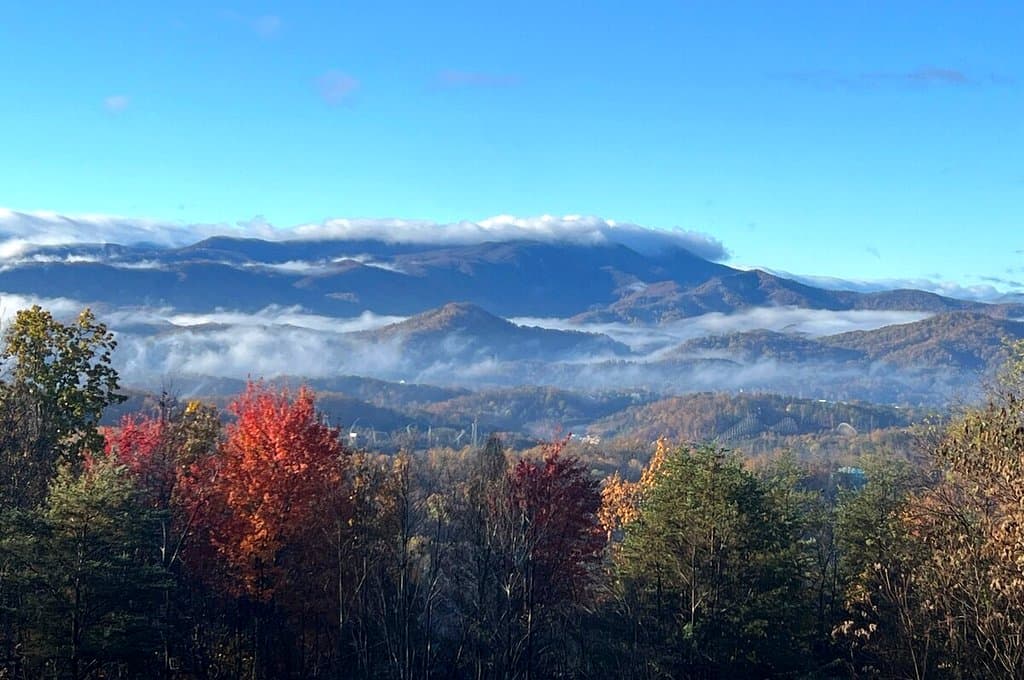
Other things that earn their keep: the dinner shows, if you treat them as the evening entertainment rather than an add-on. The Island area for an easy, free-to-walk evening with kids. Local meat-and-three restaurants off the main corridor where the biscuits are the point. And the simple pleasure of a porch, a coffee, and morning fog burning off the ridgeline, which costs nothing at all and is the actual reason people come back.
If you are weighing where to anchor, our breakdown of how Gatlinburg and Pigeon Forge compare for a first visit saves a lot of guesswork.
The Cabin Mistake That Makes the Trap Feel Inescapable
Here is the pain nobody warns you about. The tourist trap feeling is not usually caused by attractions. It is caused by traffic, and traffic is a lodging decision you make months in advance without realizing it.
Thousands of cabins in this area are marketed with mountain views and seclusion. Many deliver on both. What the listing photos cannot show you is the twenty-five minute crawl from your driveway to the nearest grocery store, or the fact that your "close to everything" cabin sits on the far side of the Parkway bottleneck. Families who book deep up a mountain road discover that every single outing, breakfast, Dollywood, the park trailhead, dinner, costs them forty minutes each direction. That is three hours of a vacation day inside a vehicle.
And that is when the resentment sets in. You did not come to Tennessee to sit in a left-turn lane watching a pancake house sign. By day two, the kids are restless, somebody is hungry, and the only food within reach is whatever chain is closest to the exit. That is the moment people start writing that Pigeon Forge is a tourist trap. The attractions did not trap them. The logistics did.
The second version of this mistake is booking too big or too remote for the group size. A cavernous lodge sleeping twenty sounds fun until you are the one driving two cars everywhere. Most families travel in groups of four to six, and a right-sized place close to the action beats a mega-cabin an hour out every time.
What to look for instead: proximity measured in minutes, not miles. Private acreage rather than a dense cabin subdivision. Internet strong enough to actually stream or take a call, since mountain service varies wildly. Parking that fits your vehicles. And a host who answers the phone.
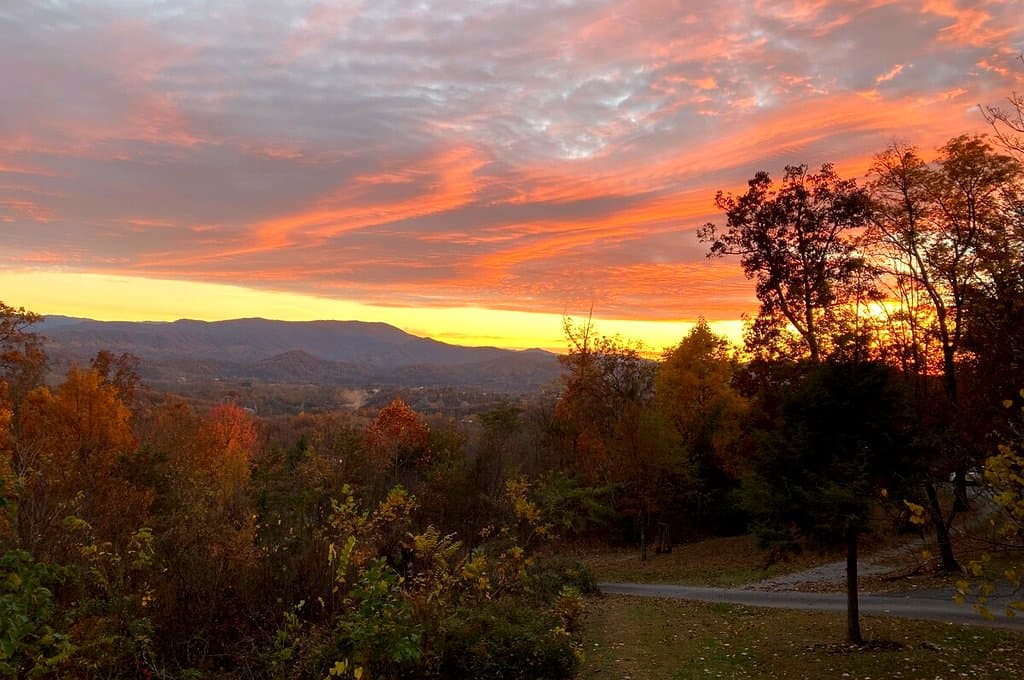
That combination is specifically how we built our stay. One cabin on one secluded acre with no neighbors on three sides, two bedrooms and two bathrooms, two king beds plus three queen fold-out couches for up to six guests, a propane grill on the deck, and 321 Mbps T-Mobile 5G home internet because remote-work families should not have to gamble. The deck faces south toward Dollywood, and during the park's seasonal fireworks and drone show schedule, you can catch them from your chair. Those shows run on a seasonal calendar rather than every night, so check the park's schedule for your dates.
Skip the Parkway crawl entirely. Our one-acre cabin sits four minutes from Dollywood with no neighbors on three sides, sleeping up to six.
Book Your Stay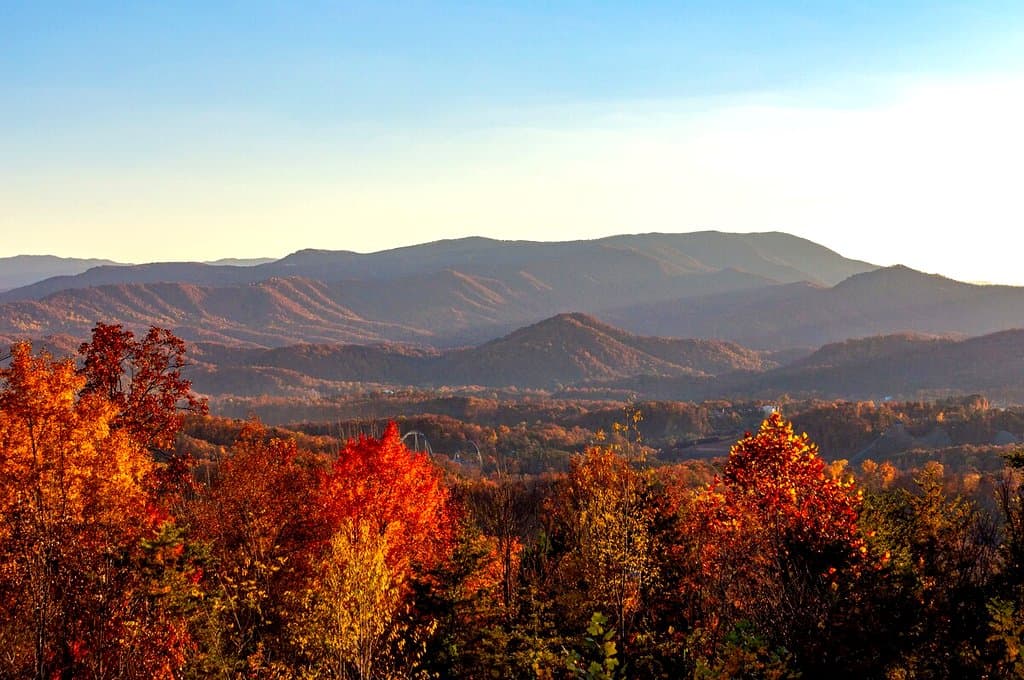
How to Visit Pigeon Forge Without Falling for Any of It
The strategy is simple: front-load the free and the genuinely good, treat the strip as dessert.
Start your mornings in the national park. Trailhead parking at popular spots fills early, especially in October when the color peaks and the whole region shows up at once. Get moving by eight and you will have Laurel Falls or the Roaring Fork Motor Nature Trail nearly to yourself. By mid-morning you have already done the best thing the region offers, for free, and everything else is bonus.
Pick exactly one or two paid attractions for the whole trip rather than collecting them. Pick them based on what your particular crew loves, not on which billboard shouted loudest. A family with a nine-year-old dinosaur fanatic should absolutely do the cheesy boat ride. A family with teenagers should skip it and spend that money on go-karts or a show.
Eat off the main corridor at least twice. The restaurants that survive on local business rather than tourist volume are usually a turn or two off the Parkway, and they are where the cooking is. Ask your host, not an app.
Build in a nothing day. Cabin, grill, creek, porch. This is the single most underrated day of any Smokies trip, and it is the reason people book a cabin instead of a hotel room. Guests who plan one slow day go home rested instead of needing a vacation from their vacation.
Give yourself enough runway. We walk through the math in our guide to how many days you actually need in Pigeon Forge, and the short version is that three nights is the floor. Two nights means one real day after travel. Our default minimum is three nights for exactly that reason, since a two-night trip tends to become a rushed one. Families with kids may also want our list of free attractions for kids in the area, which stretches a budget considerably.
Frequently Asked Questions
Is Pigeon Forge a tourist trap?
Partly, and only in a defined area. The Parkway corridor is built to sell impulse entertainment, so if that strip is all you see, the label fits. Step outside it and you have a free national park, a genuinely excellent theme park, and quiet mountain acreage within minutes of each other, which is the opposite of a trap.
What should I avoid doing in Pigeon Forge?
Avoid driving the Parkway between roughly 4 and 7 p.m. on weekends and during peak summer and October weeks. Avoid booking a cabin based on photos alone without checking real drive times to Dollywood, a grocery store, and your preferred park entrance. Also avoid stacking six paid attractions into two days, since that is how a reasonable budget quietly evaporates.
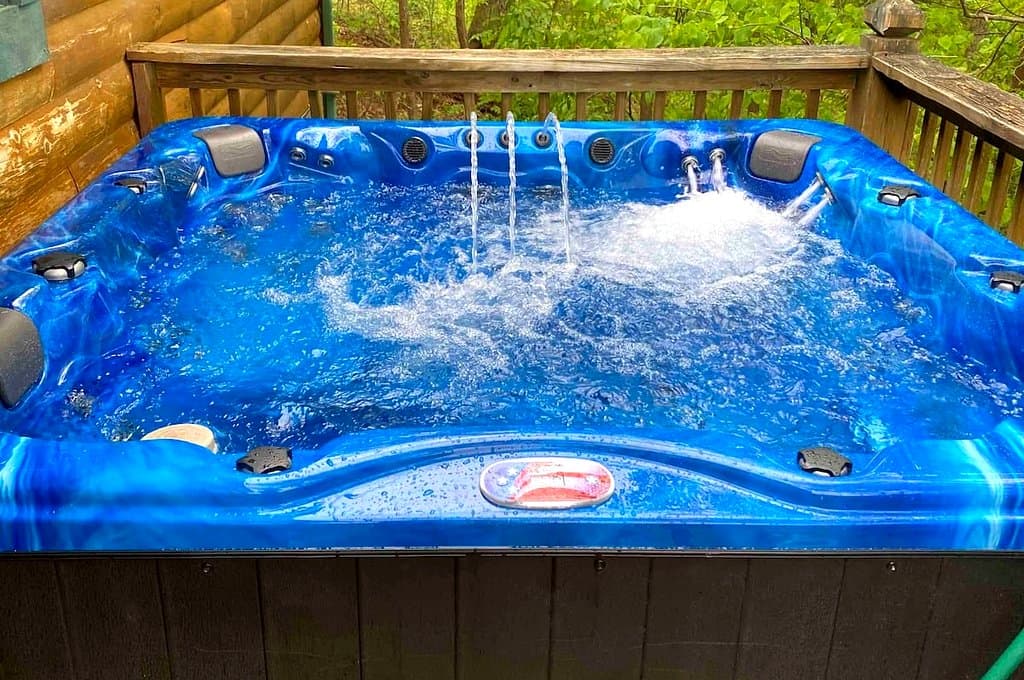
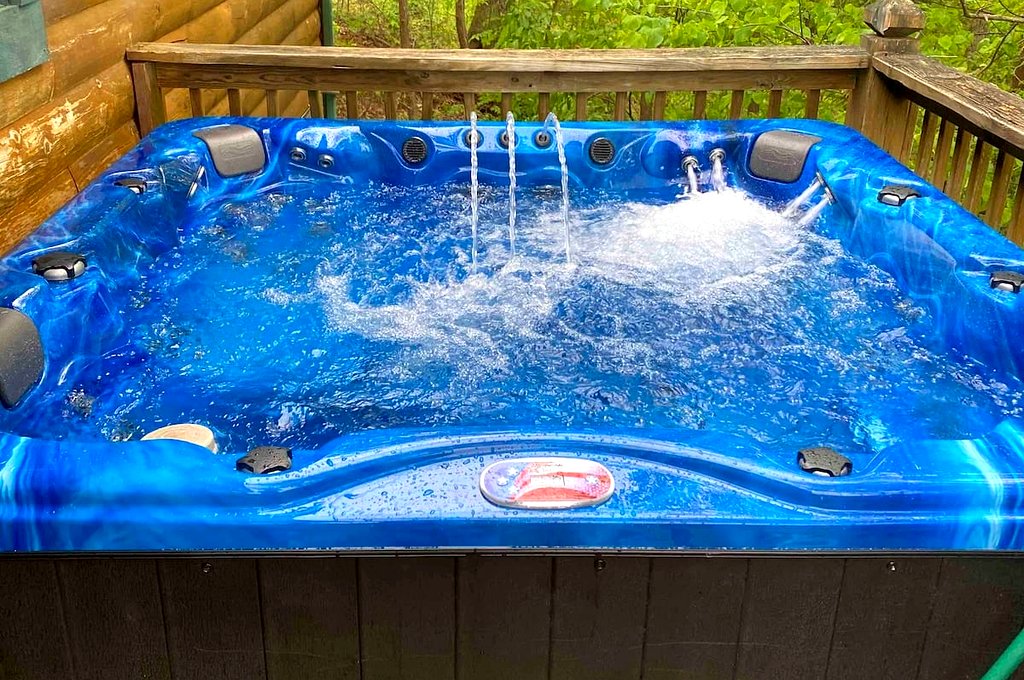 56-Jet Luxury SpaBluetooth, subwoofer, LED waterfall.
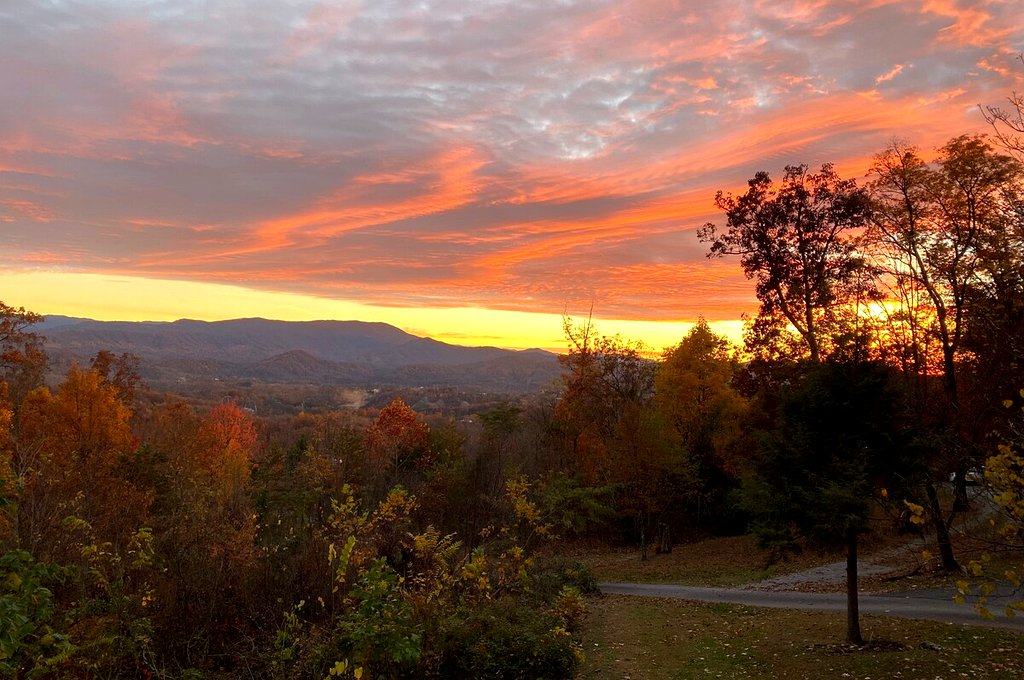 Mountain-View EveningsWatch the evening light change over the mountain ridges.
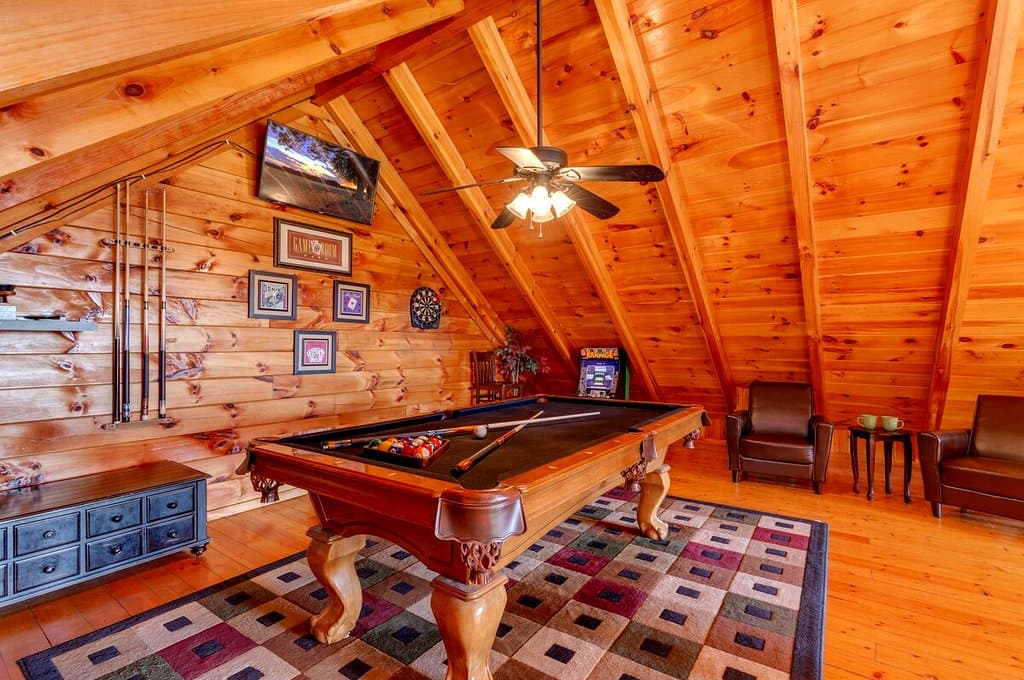
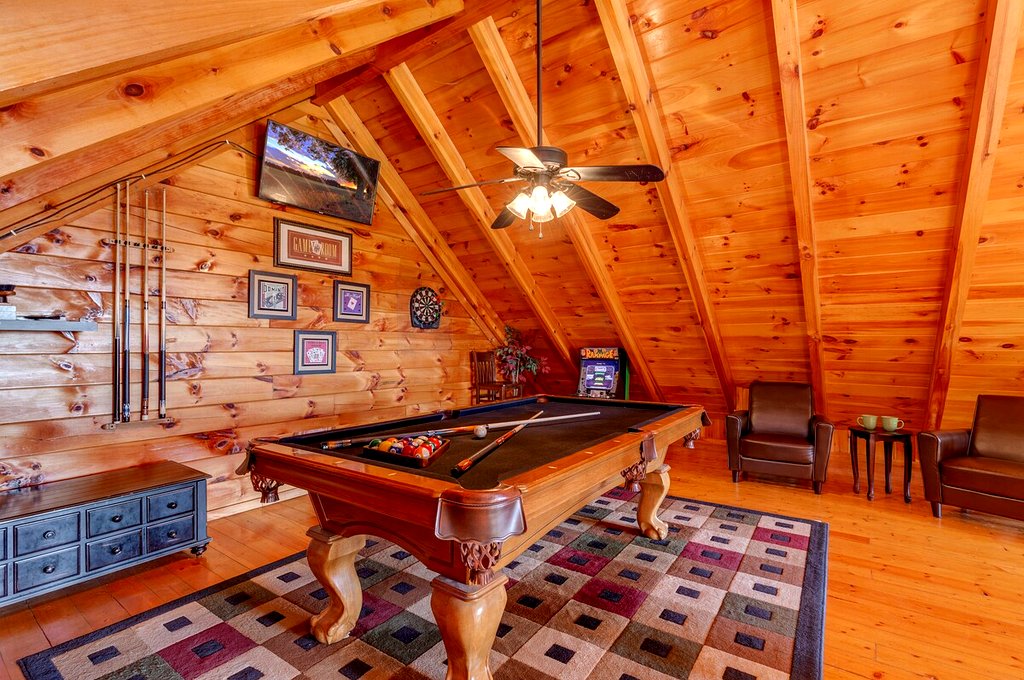 Game RoomPool table, arcade, darts, Xbox.
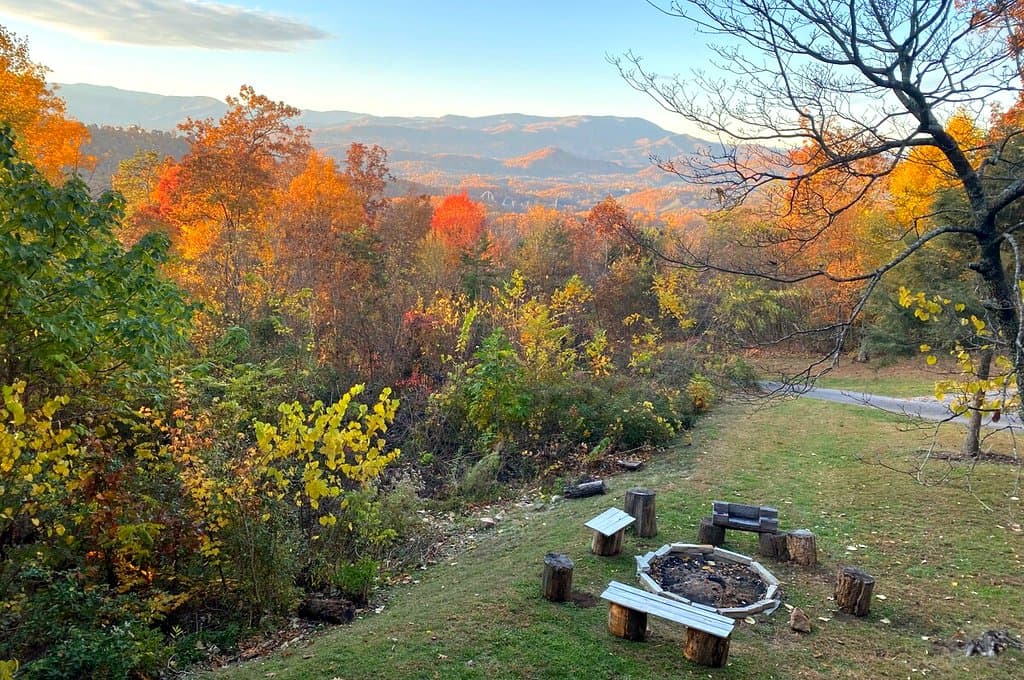
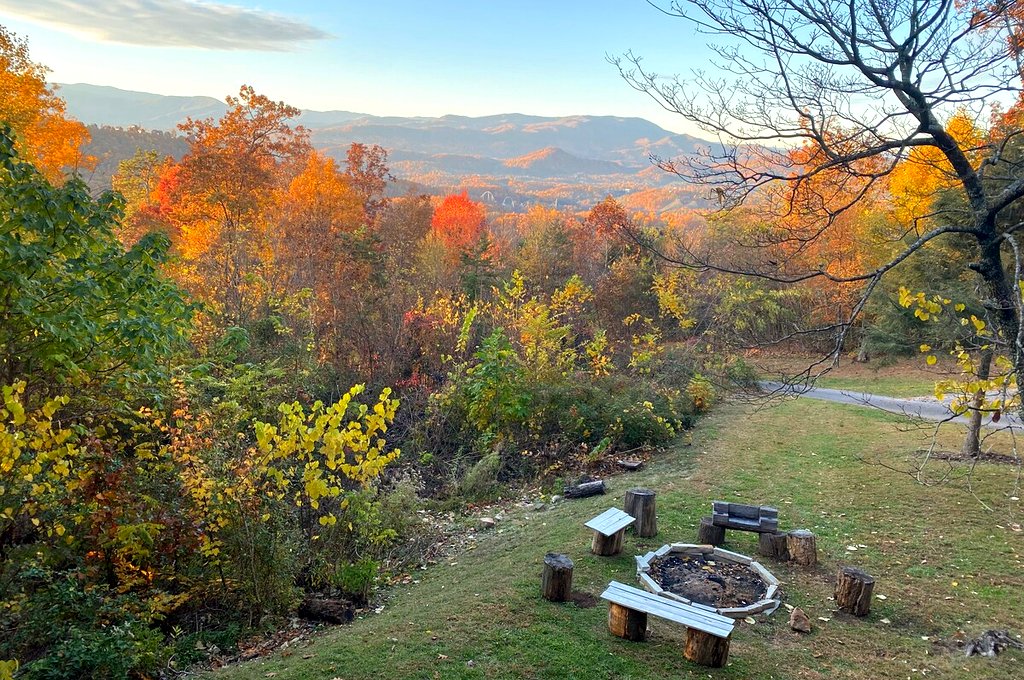 Mountain-View Fire PitS'mores with a ridgeline backdrop.
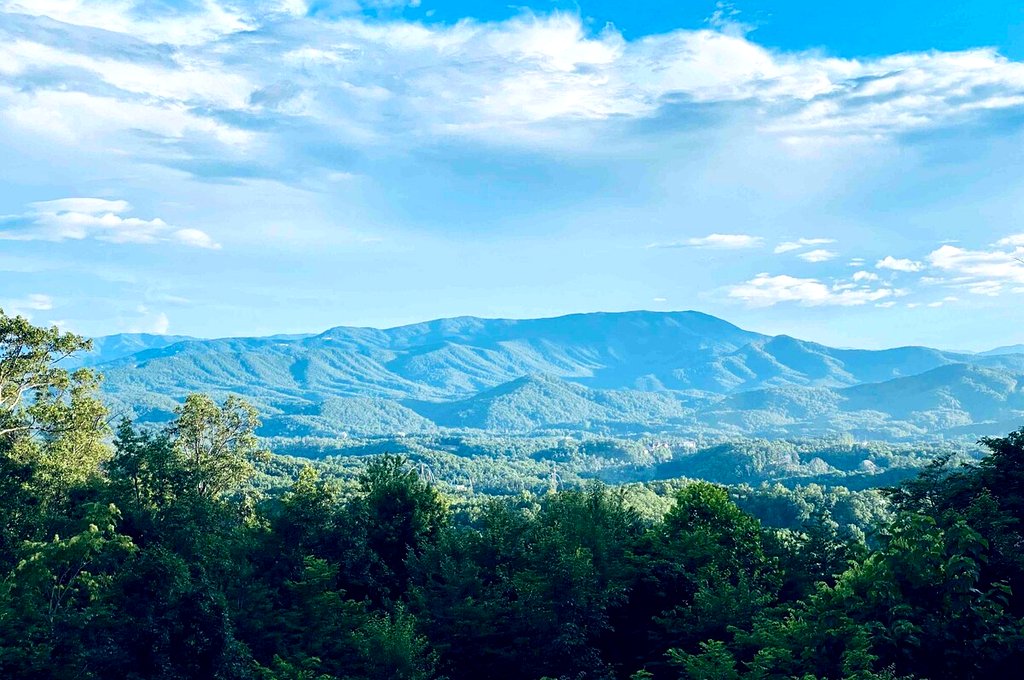 One Private AcreNo neighbors on three sides, 800 forest acres around you.
What is the #1 tourist attraction in Tennessee?
Great Smoky Mountains National Park, by a wide margin. It is consistently the most visited national park in the United States according to park visitation records, and it charges no entrance fee. Dollywood is the state's leading paid attraction, and the two together are the reason this corridor exists.
Why is Pigeon Forge so weird?
Because it grew organically around park traffic rather than from a master plan. Decades of independent operators each built whatever they thought would catch a passing family's eye, which produced an upside down building next to a mirror maze next to a pancake house next to a go-kart track. Visitors who lean into the oddity have more fun than those who fight it.
Is Pigeon Forge worth visiting?
Yes, with a plan. The combination of free world-class hiking, a high-quality theme park, and affordable cabin lodging is hard to beat for a family trip. The visitors who come away disappointed are usually the ones who stayed on the strip the entire time and never drove the fifteen minutes into the mountains.
Can I bring my dog?
At our cabin, yes, up to two dogs. The outdoor dog area is unfenced, so pups need to stay leashed or supervised outside. Keep in mind that most national park trails do not allow dogs, though the Gatlinburg Trail and Oconaluftee River Trail are the two exceptions worth knowing.
The Real Verdict
Pigeon Forge is not a trap. It is a town with a loud front door and a very quiet back yard, and most disappointed visitors never found the back yard. The strip exists because it sells, and nobody is forcing anyone through the turnstiles. Meanwhile, the mountains that brought everybody here in the first place are still right there, free, fifteen minutes away, foggy and enormous and completely indifferent to the neon.
Pick lodging that keeps you close to both worlds. Spend your mornings in the park and your evenings wherever your family actually wants to be. Say no to four of the six attractions. That is the entire trick.
If you want Dollywood four minutes away and real mountain quiet when you get back, with no neighbors on three sides and internet that actually works, lock in your three nights before the season fills.
Start Planning Your Trip