 Thistle Britches
Sit at the light near traffic light #3 on the Parkway on an October Saturday and you can watch two vacation budgets drive past each other. One car turns south toward Gatlinburg, where the Spur narrows into a walkable downtown and the parking garages start filling by ten in the morning. The other stays in Pigeon Forge, pulls into a free lot at a pancake house, and nobody pays a cent to leave the car there for an hour. Same mountains, same fog burning off Mount LeConte, two very different receipts by Sunday night.
So what's cheaper, Gatlinburg or Pigeon Forge? After years of fielding this exact question from guests planning their first Smokies trip, the honest answer is that Pigeon Forge usually wins on the things families buy every single day: lodging space, parking, groceries, and dinner for six. Gatlinburg wins on a narrower set of costs, mostly the ones tied to walking instead of driving. The real difference is not the headline nightly rate. It is the pile of small charges that nobody budgets for until they are standing in a parking garage with a card reader.
Key Takeaways
- Pigeon Forge generally costs less per night for comparable cabin and hotel space, and its attraction lots are overwhelmingly free.
- Gatlinburg's biggest hidden cost is parking. Downtown garages and private lots charge by the hour or by the day, every day.
- Gatlinburg saves money only if you park once and walk everywhere, which works best for couples and short stays.
- Great Smoky Mountains National Park charges nothing to enter, but parking tags are required for stops longer than 15 minutes, no matter which town you sleep in.
- A cabin with a real kitchen and two bathrooms usually beats two hotel rooms on total trip cost for a group of six.
What's Cheaper, Gatlinburg or Pigeon Forge? The Short Answer
Pigeon Forge has more land, and land is why it is cheaper. Gatlinburg is squeezed into a narrow river valley right against the national park boundary, which caps how much lodging can exist and how much of it can sit close to downtown. Pigeon Forge spreads out along the Parkway and up into the surrounding hollows and ridges, so there is simply more supply of cabins, condos, and hotel rooms competing for the same traveler.
That supply difference shows up most clearly in square footage. In Gatlinburg, the money buys location: a room you can walk from. In Pigeon Forge and the ridges just outside town, the same money tends to buy a full cabin with bedrooms, a kitchen, a deck, and a driveway. Groups feel that gap immediately. Couples often do not.
Food follows the same pattern. Gatlinburg's downtown restaurants pay downtown rent and serve a captive walking crowd, which nudges menus up. Pigeon Forge has the big buffets, the chain options, and the pancake houses sitting on cheaper lots with free parking, plus full grocery stores that Gatlinburg cannot match for selection. If you are feeding a family of six, the grocery store is the single largest lever on your total trip cost, and Pigeon Forge puts one within a few minutes of most cabins.
Attractions are closer to a wash on ticket price. Dollywood sits in Pigeon Forge and is the anchor purchase for most families, while Gatlinburg leans on Ober Mountain, the aquarium, and a dense strip of smaller paid stops that add up fast because they are all within arm's reach. If you want the deeper side-by-side on experience rather than price, we broke that down in our comparison of which town actually fits your trip style.
Where the Money Actually Goes: Parking, Fees, and the Daily Drip
Ask what's cheaper, Gatlinburg or Pigeon Forge, and most people compare nightly rates on a booking site. That is the one number that lies the most, because it ignores four days of parking and the service fees stacked underneath.
Gatlinburg parking is the clearest cost difference between the two towns. Downtown Gatlinburg runs paid garages and paid private lots, and spaces in the walkable core fill early on weekends and through leaf season. You pay to park at your hotel in many cases, then pay again if you drive out to a trailhead and come back. Pigeon Forge attractions, including Dollywood and the big theaters and the outlet malls, generally offer free lots that you can pull in and out of all day without touching your wallet.
Then there are the booking-side fees. Cleaning fees, service fees, pet fees, and Tennessee lodging taxes apply in both towns, so they do not favor one over the other directly. What they do is punish short stays. A cleaning fee spread across two nights hits far harder per night than the same fee spread across four. This is why a cheaper-looking two-night Gatlinburg hotel stay can end up costing more per person per day than a longer cabin stay just outside Pigeon Forge. We walked through those numbers in plain language in our breakdown of what a Pigeon Forge weekend really costs.
One cost is identical no matter which town you choose: the national park. Entry to Great Smoky Mountains National Park remains free, but the park now requires a parking tag for any vehicle parked longer than 15 minutes. Budget for that once, use it from either side of the mountain, and do not let anyone sell you a "park pass" at a gift shop.
The Budget Mistake That Quietly Wrecks First Smokies Trips
Here is the pain nobody warns you about. A family of six books two hotel rooms because the per-night number looked low, then discovers what two rooms actually means. The adults are split up. The kids are split up. There is one bathroom per room and no shower schedule that makes anyone happy. Every meal gets eaten out because there is no kitchen, so breakfast for six becomes a restaurant transaction seven mornings in a row. The dog stays home or goes to a boarder, which is its own line item.
Then comes the drive. If that hotel sits on the Gatlinburg end and the Dollywood tickets are already bought, the family spends their week crawling the Spur and the Parkway in park-traffic, twice a day, during leaf season. Nobody budgets gas and ninety minutes of stop-and-go, but both are real. By day three the trip has turned into logistics instead of a getaway, and the "cheaper" room has cost more than the cabin they scrolled past.
The fix is unglamorous: count beds, bathrooms, and kitchens before you compare nightly rates. For a group of six, what matters is whether everyone sleeps comfortably without an air mattress, whether there are two bathrooms so mornings do not collapse, and whether you can cook breakfast and grill dinner a few nights instead of eating out twelve times.
That is the shape of the place we run. Thistle Britches is a single cabin on one secluded acre with no neighbors on three sides, two bedrooms and two bathrooms, two king beds plus three queen fold-out couches, and a marketed maximum of six guests. The deck faces south toward Dollywood, which sits 0.8 miles away, roughly four minutes by car, so the park-traffic problem mostly disappears. There is a propane grill for the nights you do not want a restaurant bill, 321 Mbps T-Mobile 5G home internet for anyone who has to check in with work, and dogs are welcome with a two-dog maximum. The outdoor dog area is open ground, not fenced, so leashes stay on. Minimum stay is three nights by default, which, as the fee math above shows, is usually the cheaper way to book anyway.
Stop paying downtown parking rates to stay a mile from the fun. Check dates for a two-bedroom cabin four minutes from Dollywood's gates.
Book Your Stay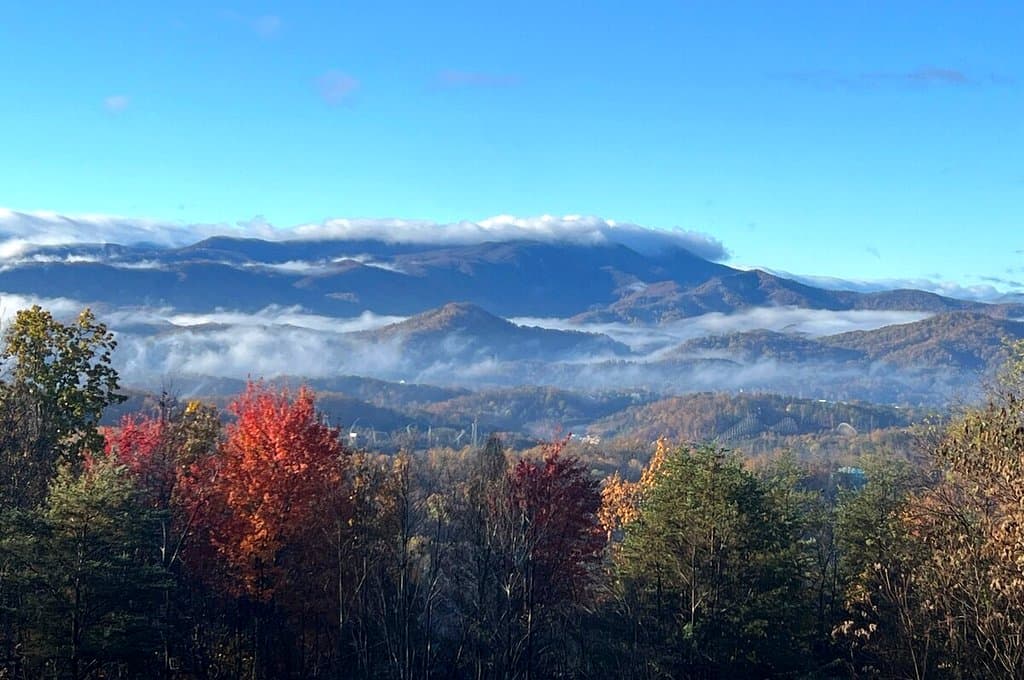
When Gatlinburg Is Actually the Cheaper Choice
Gatlinburg wins in one specific scenario, and it wins decisively there. If you are a couple on a two or three night trip who wants to park once and not touch the car again, Gatlinburg's density is a genuine savings engine. Your lodging, your coffee, your dinner, your distillery tasting, and your trailhead shuttle are all within walking distance. You buy parking once instead of burning gas on the Parkway, and you skip the rental-car-shaped costs of a spread-out trip entirely.
The Gatlinburg mass transit trolley extends that radius for a small per-ride fare, reaching the aquarium, the arts and crafts loop, and the park entrance. Pigeon Forge runs its own trolley system too, but Pigeon Forge is a long linear town, so the trolley is a convenience there rather than a car replacement.
Gatlinburg also sits closer to the park boundary, which matters if hiking is the whole point of your trip. Laurel Falls, the Chimney Tops picnic area, and Newfound Gap Road all start minutes from downtown. If you plan to be on trail at sunrise four days running, the shorter drive adds up in gas and in sleep. Anyone building that kind of itinerary should look at the best things to do inside the national park before picking a side of the mountain.
Where Gatlinburg stops being cheaper is the moment your group grows past two people or your stay stretches past three nights. The walkable-core premium is priced per room, not per person, and the lack of kitchens turns every meal into retail. That is the crossover point where Pigeon Forge and the ridges just outside it take the lead and never give it back.
Frequently Asked Questions
Is it cheaper to stay in Gatlinburg or Pigeon Forge?
For groups and stays of three nights or more, Pigeon Forge and the surrounding ridges are typically cheaper because you get more space, a kitchen, and free parking at nearly every attraction. For a couple on a short walkable trip, Gatlinburg can come out ahead because you park once and never drive again. The deciding factors are group size and trip length, not the sticker price on the first listing you open.
Why are Gatlinburg cabins more expensive than Pigeon Forge cabins?
Gatlinburg is boxed in by the national park boundary and steep terrain, so there is far less buildable land and far less lodging supply near downtown. Pigeon Forge has room to spread, which keeps competition higher and rates softer for comparable square footage. Proximity to the park entrance also carries a premium that has nothing to do with the cabin itself.
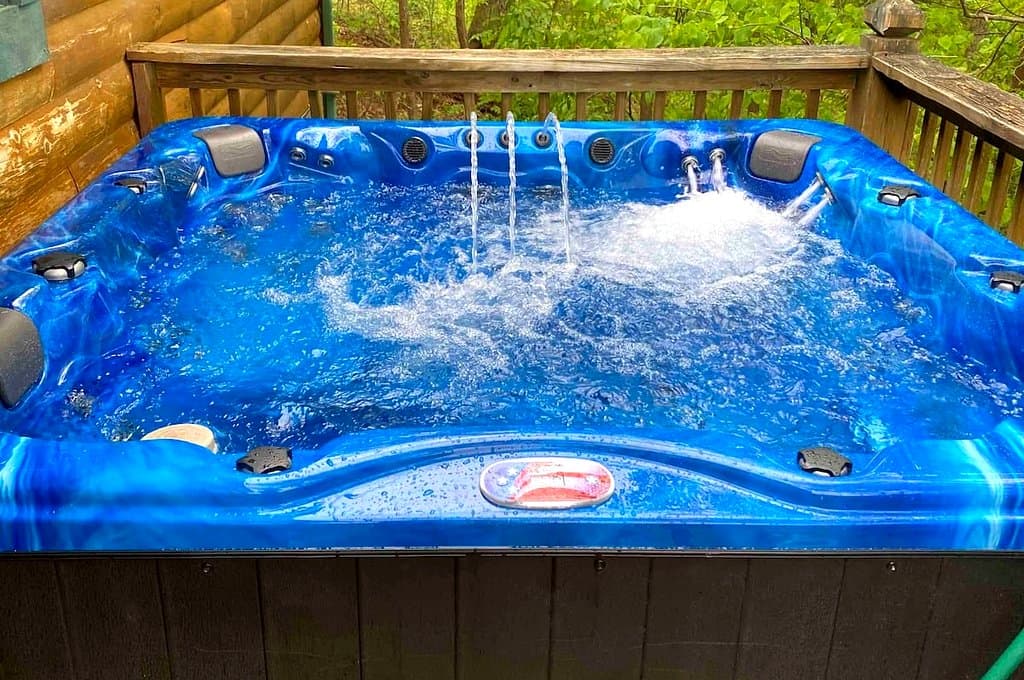
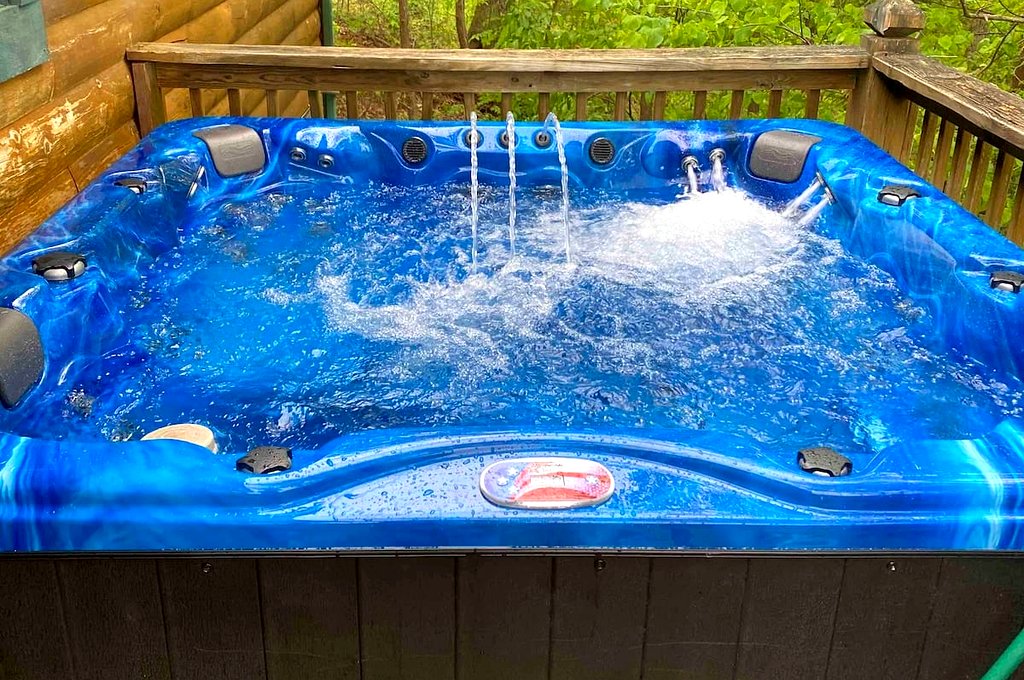 56-Jet Luxury SpaBluetooth, subwoofer, LED waterfall.
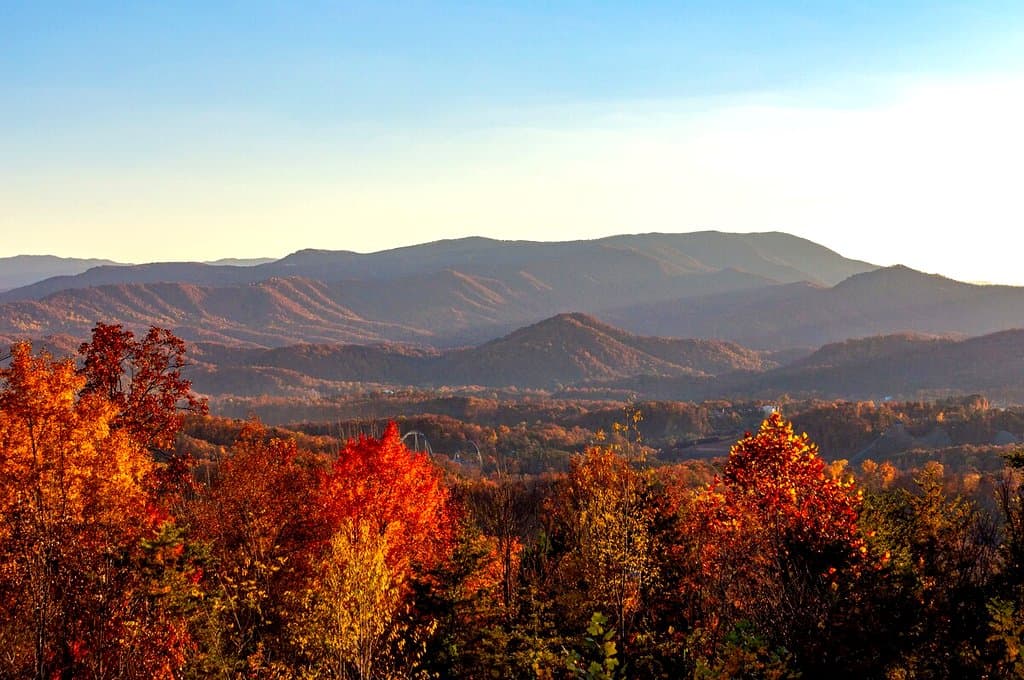
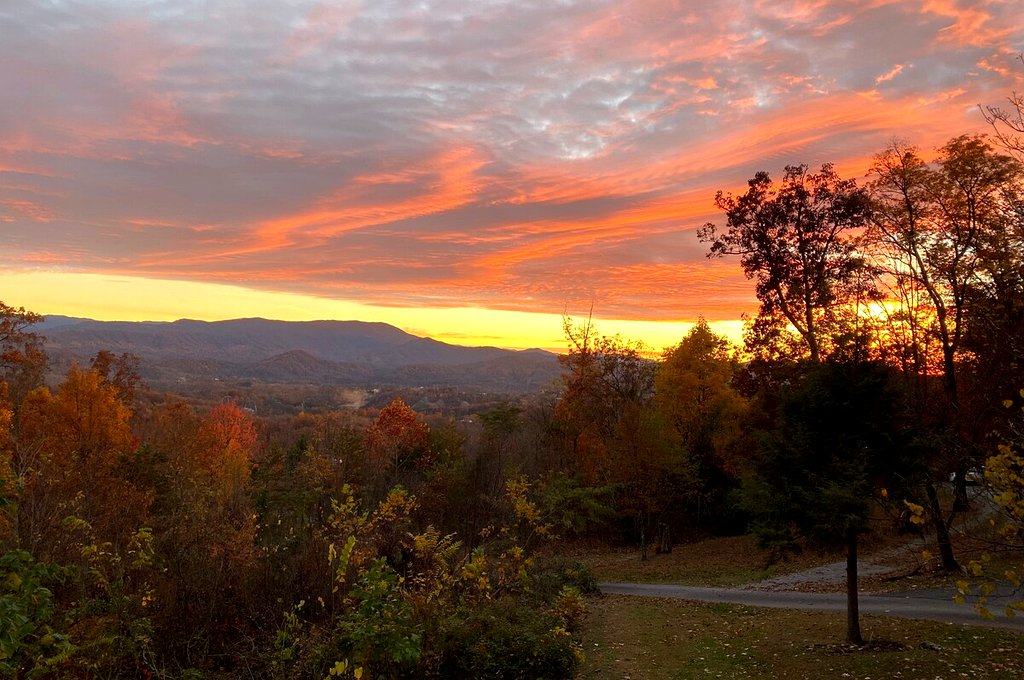 Mountain-View EveningsWatch the evening light change over the mountain ridges.
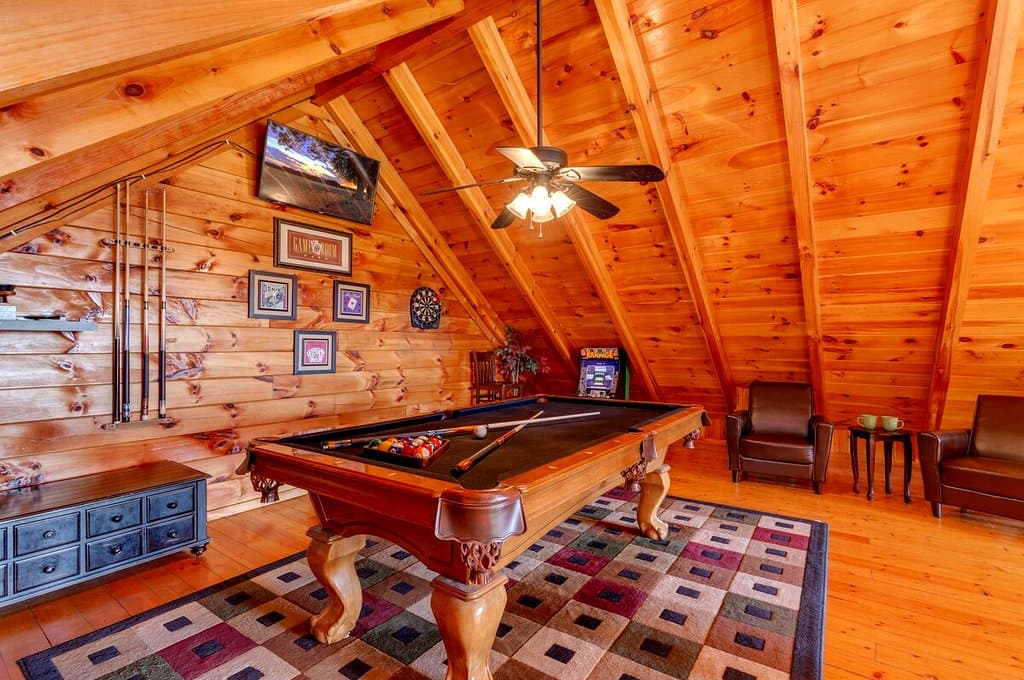
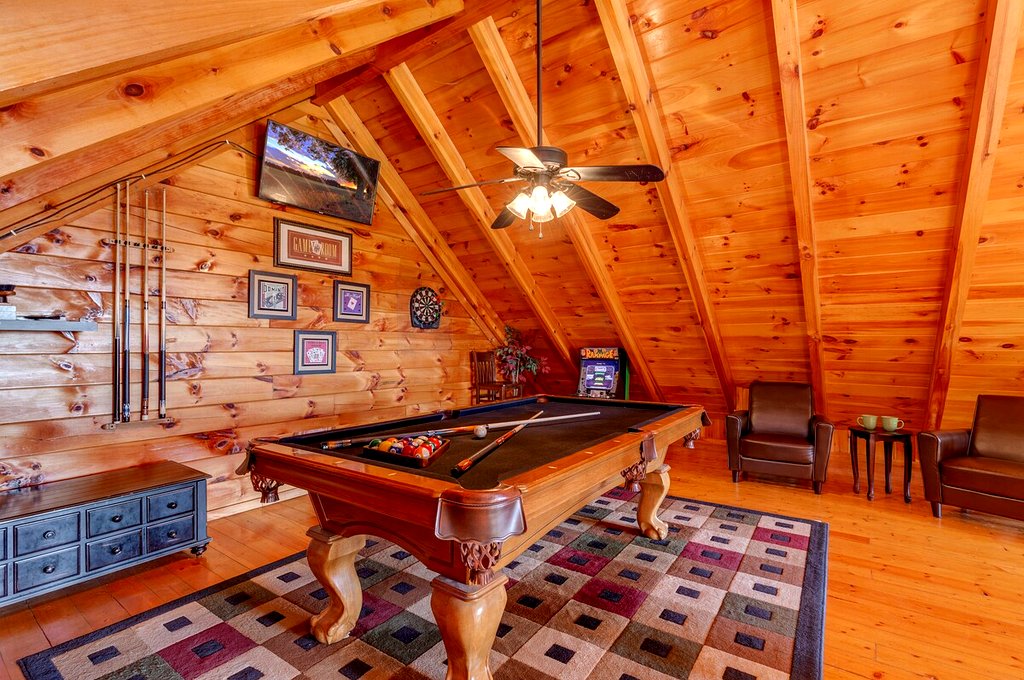 Game RoomPool table, arcade, darts, Xbox.
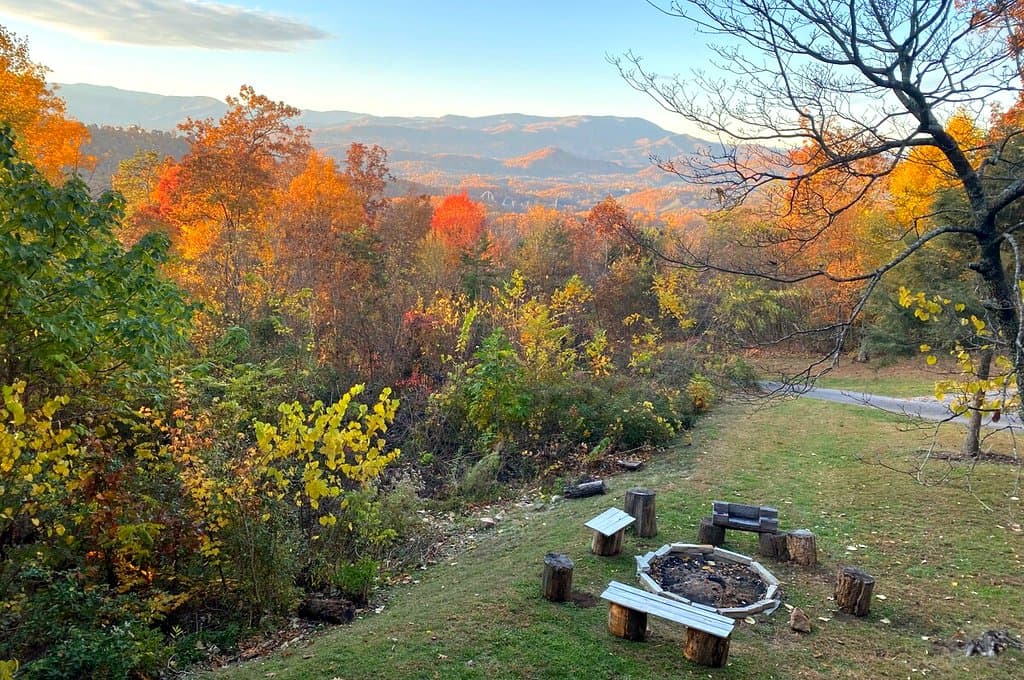
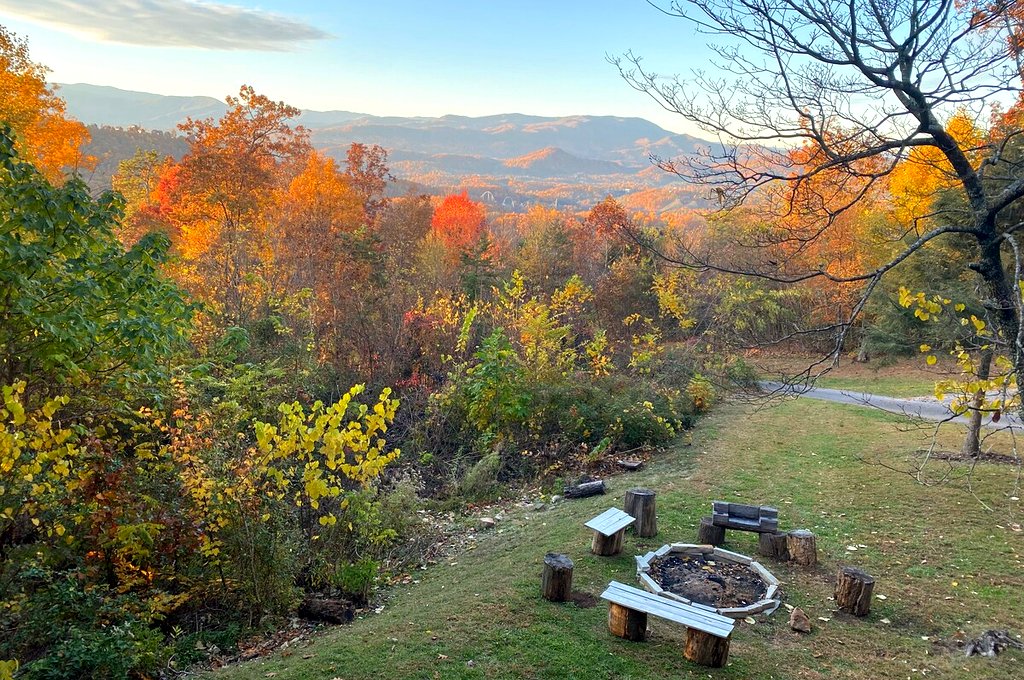 Mountain-View Fire PitS'mores with a ridgeline backdrop.
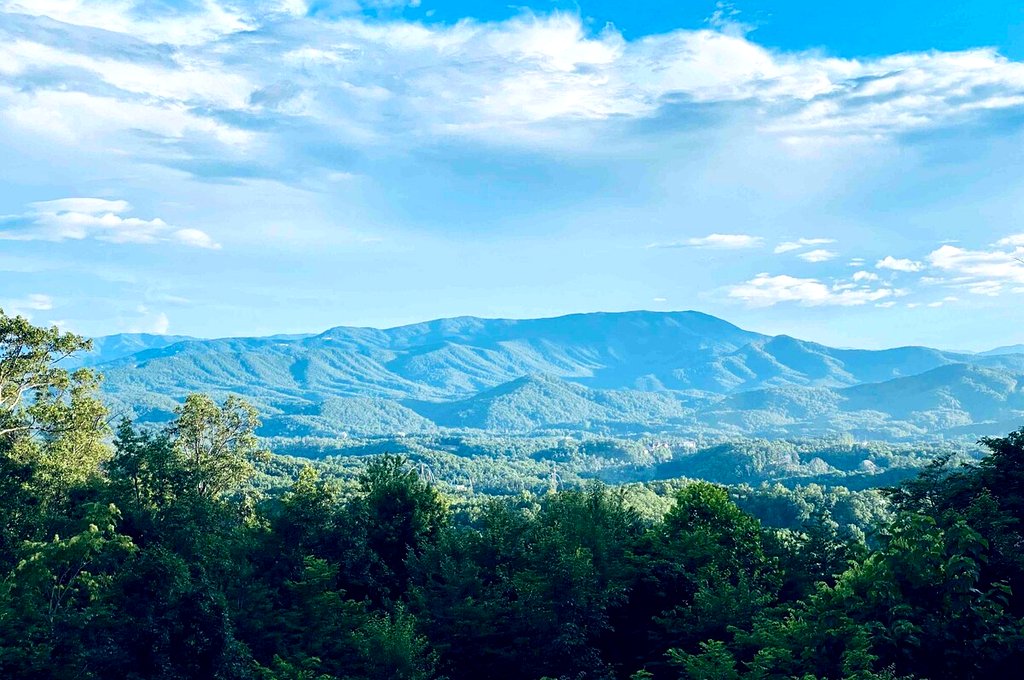 One Private AcreNo neighbors on three sides, 800 forest acres around you.
Do you have to pay for parking in Pigeon Forge?
Almost never at attractions. Dollywood, the theaters, the outlet malls, and the big restaurants all run their own free lots. Downtown Gatlinburg is the opposite, with paid garages and paid private lots across the walkable core, which is the single biggest day-to-day cost difference between the two towns.
How many days do you need to make the trip worth the cost?
Three nights is the practical floor, which is why most quality cabins set that as a minimum. Two nights means you spend one day arriving, one day in the park or at Dollywood, and one day leaving, with the cleaning fee spread thin across very little vacation. Our guide to how many days Pigeon Forge really needs walks through how the itinerary changes at four and five nights.
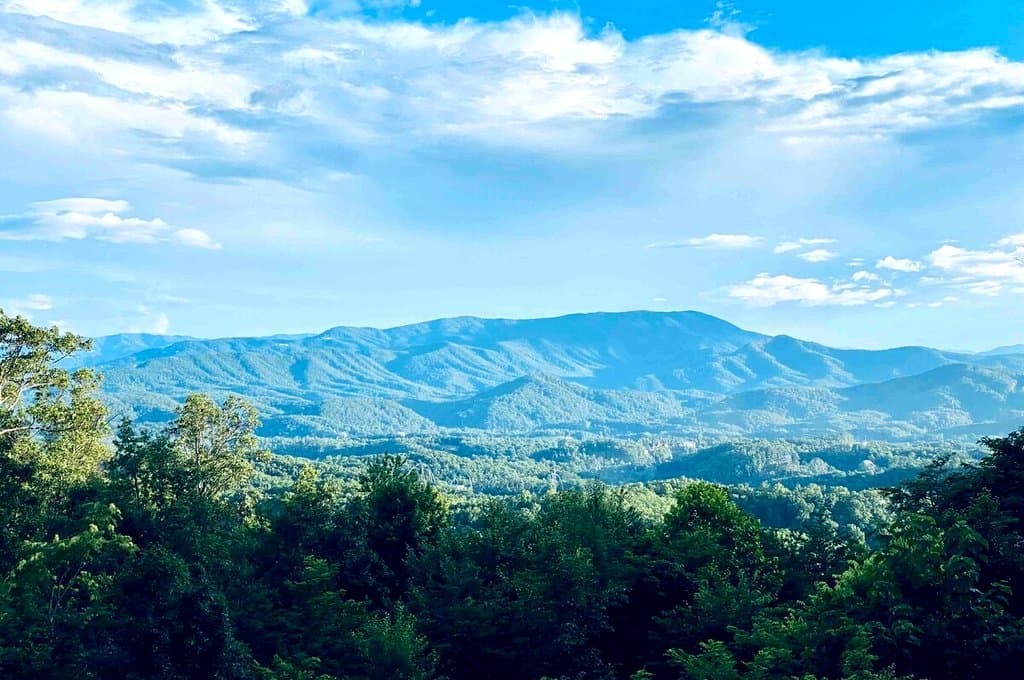
Does staying near Dollywood save money compared to staying in Gatlinburg?
It can, in two ways. You cut the daily Parkway and Spur drive, which saves gas and a surprising amount of time during leaf season and summer weekends. You also avoid paying for parking twice a day, since Dollywood's lot is free and a nearby cabin means short trips instead of cross-valley commutes.
Running Your Own Numbers
Build the comparison the way a local would. Start with the total for your whole stay rather than the nightly rate, add cleaning and service fees, then add parking for every day you plan to be downtown. Next, subtract the meals you would cook if you had a kitchen and a grill. Add a national park parking tag if you intend to hike. Whatever is left is the honest answer to what's cheaper, Gatlinburg or Pigeon Forge, for your specific trip.
Nine times out of ten, that math lands on the Pigeon Forge side for families and on the Gatlinburg side for couples with a two-night itinerary and good walking shoes. Neither answer is wrong. The expensive mistake is picking a town because of one number on a screen and then discovering the rest of the bill on arrival. If you want to see which town simply looks better while you decide, we made that case too.
If you want six people under one roof, two bathrooms, a kitchen, a grill, and Dollywood four minutes down the road without a parking garage in sight, check availability now. Three-night minimum, two dogs welcome, one secluded acre.
Start Planning Your Trip