 Thistle Britches
Pull onto the Parkway on a warm Friday evening and you can practically read the whole debate off the windshield. Headed north, the lights get wider apart, the parking lots get bigger, and the go-kart tracks start humming. Headed south toward the mountains, the road narrows, the sidewalks fill with people carrying funnel cake, and the ridgeline closes in over the rooftops like a wall. Two towns, eight miles apart, totally different personalities.
So is it better to go to Gatlinburg or Pigeon Forge? After years of handing out directions from our deck and answering the same question in the text thread before check-in, my honest answer is that it depends on exactly two things: how much walking you want to do, and how much driving you are willing to tolerate. Everything else, the food, the shops, the mini golf, the pancakes, exists in both places in some form. What differs is the rhythm of the day. This is the comparison I give guests before they book, including the mistake that burns a full afternoon of vacation.
Key Takeaways
- Gatlinburg wins for walkability, mountain scenery, and park access. Park once, wander all day, skip the car.
- Pigeon Forge wins for families, parking, attraction variety, and Dollywood. You drive between stops, but you rarely circle for a space.
- Cost generally runs friendlier on the Pigeon Forge side, especially for cabins with more square footage per dollar.
- The smart move is not choosing one town. It is basing yourself between the two and visiting both on different days.
- Traffic is the real variable. Your cabin's position on the map matters more than the town name on the sign.
Is It Better to Go to Gatlinburg or Pigeon Forge? Start With Your Ideal Day
Picture your perfect vacation morning. If it looks like coffee on a sidewalk, strolling past a candy shop window, ducking into a moonshine tasting room, then riding a lift up a mountain and eating dinner within three blocks of where you parked, you want Gatlinburg. The town sits right at the entrance to Great Smoky Mountains National Park, which means trailheads and the Sugarlands Visitor Center are genuinely minutes from the main strip. Everything is compressed, vertical, and pedestrian-first.
If your ideal morning looks like a big breakfast, a theme park, a wide parking lot, and the option to pivot to indoor mini golf when a mountain shower rolls through, Pigeon Forge fits better. Attractions here sit along a wide commercial corridor with their own lots. You do not fight for a space, you do not pay a garage rate, and you do not haul a stroller up a hill. You do, however, spend more of the day in the car, moving from one stop to the next.
Neither answer makes the other town wrong. Gatlinburg is a mountain village that grew into a tourist town. Pigeon Forge is a tourist corridor that happens to sit beneath mountains. Families with young kids usually gravitate toward the second description, which I break down further in our look at which town works better for kids. Couples, hikers, and groups of adults who want a walkable night out usually lean toward the first.
One practical note before you commit: the drive between the two is short in distance and unpredictable in time. Mid-week in February it moves right along. A Saturday in mid-October, with fall color peaking and everyone funneling toward the park entrance, is a different story entirely.
What Gatlinburg Genuinely Does Better
Walkability is the headline. Downtown Gatlinburg runs along a compact strip where you can leave the car in a garage and cover shops, restaurants, the aquarium, the Space Needle, and a half dozen oddball museums on foot. That matters more than people expect. Not getting back into a hot car every ninety minutes changes how a vacation day feels.
Scenery is the second strength. The mountains press right up against town, so even a walk to dinner comes with a view. Anakeesta and Ober Mountain both lift you above the rooftops, and the Arts and Crafts Community out on Glades Road gives you a quieter loop of potters, woodworkers, and leather shops that feels like the Smokies before the neon showed up. If you want to photograph something other than a parking lot, this side delivers.
Park access seals it for hikers. Laurel Falls, the Roaring Fork Motor Nature Trail, Newfound Gap Road, and the trailheads around Sugarlands all sit a short drive from town. For anyone planning sunrise hikes, staying closer to that entrance saves real time.
The trade-offs are honest ones. Parking downtown usually means a paid garage or a shuttle. Sidewalks get crowded on holiday weekends to the point where strollers become a contact sport. Restaurant waits stack up around 6 p.m. And cabins perched on the steeper ridges above town often come with driveways that make guests in rental sedans nervous, especially after a cold snap. If you are weighing lodging on the Gatlinburg side, our breakdown of cabin pricing between the two towns covers what you actually get for the money in each.
What Pigeon Forge Genuinely Does Better
Volume and variety. The Parkway corridor stacks up Dollywood, Splash Country, The Island, The Old Mill district, dinner shows, indoor ropes courses, arcades, go-karts, and more mini golf than any one family can finish. When weather turns, and in the Smokies it turns often, you have a long list of indoor backups within a few minutes of each other.
Parking is the quiet advantage nobody puts on a brochure. Most attractions here have their own free lot. With a toddler asleep in a car seat or a grandparent who cannot manage a steep sidewalk, that one detail outweighs a lot of charm. Dollywood's lot and tram system handles crowds better than almost anything on the Gatlinburg side.
Value tends to favor this side too. Cabins and condos in and around Pigeon Forge generally stretch your lodging budget further in square footage and amenities, and groceries, gas, and sit-down restaurants are easier to find without a tourist markup. If you are comparing total trip spend, our guide to lodging costs across Gatlinburg, Pigeon Forge, and Sevierville lays out the pattern.
The honest downside: you will not walk this town end to end. The corridor is long, built for cars, and the stretch of traffic lights between The Island and the north end can crawl in peak season. The aesthetic is bright and busy rather than mountain-quaint. Some visitors love the energy, others want a mountain village and feel a little let down.
So if someone asks me point blank, is it better to go to Gatlinburg or Pigeon Forge with three kids under ten, I answer Pigeon Forge almost every time. Ask me the same question for an anniversary weekend built around hiking and a slow walk to dinner, and I answer Gatlinburg.
Our cabin sits on a secluded acre just minutes from the Parkway, close enough to reach Dollywood in about four minutes and still positioned for an easy run toward the national park.
Book Your Stay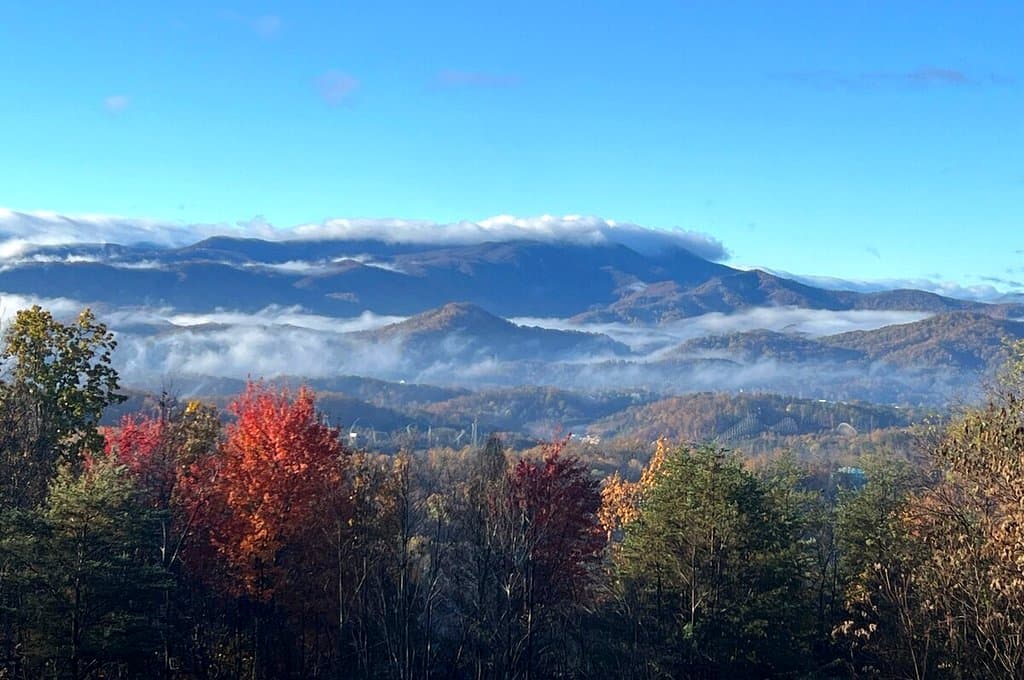
The Trip-Planning Mistake That Costs Families an Entire Day
Here is the pattern I watch play out every season. A family decides Gatlinburg looks prettier in photos, books a cabin high on a ridge above town, then discovers that their actual itinerary is mostly in Pigeon Forge: Dollywood two days, a dinner show one night, go-karts, the pancake place everyone recommended. Now every single outing starts with a winding drive down a mountain, continues through downtown Gatlinburg traffic, and ends with the same trip in reverse at 10 p.m. with exhausted kids in the back seat.
That is not a one-time inconvenience. On a four-night stay it can eat the better part of a vacation day in windshield time. The reverse happens too, though less painfully: guests who book deep into the Pigeon Forge side and then plan daily sunrise hikes add mileage to every morning.
The fix is not picking the right town. It is picking the right position. Look at where your top three planned activities actually sit on a map, then find lodging that shortens the commute to the ones you will repeat. If Dollywood appears on your schedule more than once, proximity to that gate is worth more than a postcard address. If you are chasing trailheads, weight your choice toward the park entrance.
The second half of the fix is what the cabin itself handles. A good basecamp needs real beds for everyone, so nobody is fighting over the single pull-out. It needs internet that actually works, because half the people reading this will check one work email or stream a movie after the kids crash. Ours runs on 321 Mbps T-Mobile 5G home internet, which handles streaming and video calls without the buffering that haunts a lot of ridge-top cabins. It needs outdoor space you can use without loading back into the car, and it needs enough separation that a late night does not wake the whole house.
That is the quiet argument for staying slightly outside the busiest strips. Our place sits on one secluded acre with no neighbors on three sides, two bedrooms with king beds plus three queen fold-out couches for up to six guests, two bathrooms, and a propane grill on the deck. The deck faces south toward Dollywood, so on evenings when the park runs its seasonal fireworks or drone shows, you can watch from a rocking chair instead of fighting the exit traffic. Those shows are scheduled seasonally rather than nightly, so check the park calendar before you promise the kids anything.
The Plan Most Guests End Up Using: Both Towns, Different Days
Once people stop treating this as an either-or, trips get better. The towns are close enough that a well-placed cabin puts both within easy reach, and splitting them by day keeps everyone happy.
A pattern that works: dedicate one full day to Dollywood or Splash Country, one day to the national park with a Gatlinburg dinner afterward, one slower day for The Island, The Old Mill, or whatever indoor option the weather pushes you toward, and keep one morning completely unscheduled at the cabin. That last one is the day people remember. Coffee outside, kids still in pajamas, nobody checking a clock.
Timing beats everything else in this area. Mid-week visits in spring and late fall move smoothly. Holiday weekends, the week between Christmas and New Year, and peak leaf season in October all run thick with traffic. If your dates have flexibility, our honest calendar of when to avoid Pigeon Forge is worth five minutes before you book.
Frequently Asked Questions
Is it better to walk around Gatlinburg or Pigeon Forge?
Gatlinburg, without much debate. Its downtown is built as a compact pedestrian strip where you can park once and cover shops, restaurants, and attractions on foot for hours. Pigeon Forge spreads along a wide highway corridor designed for driving between stops, so attempting to walk it end to end means long gaps between anything interesting.
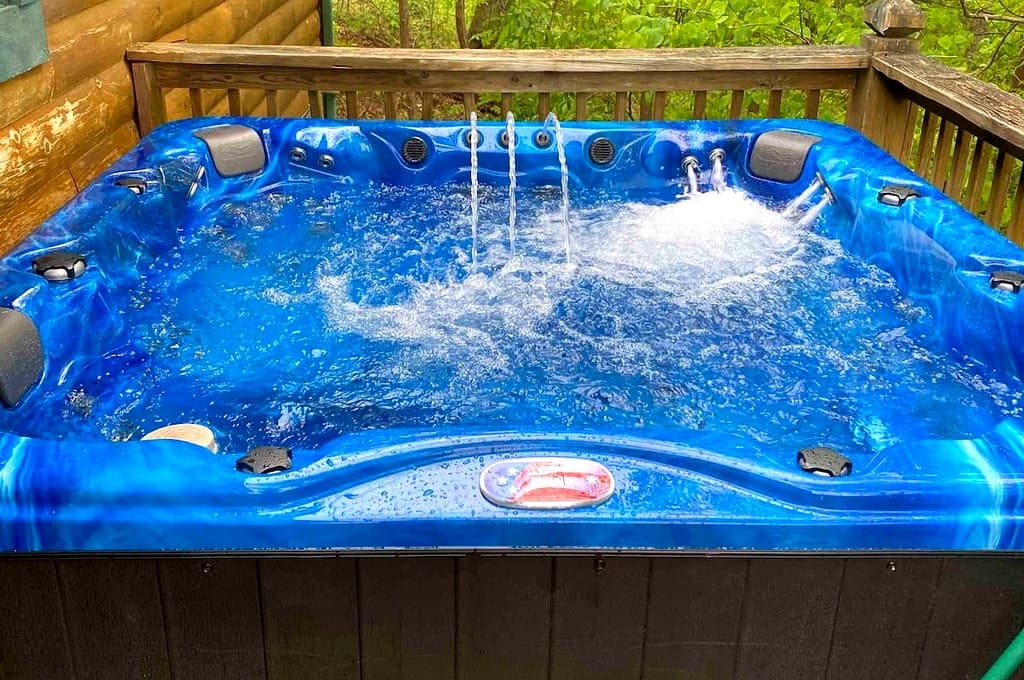
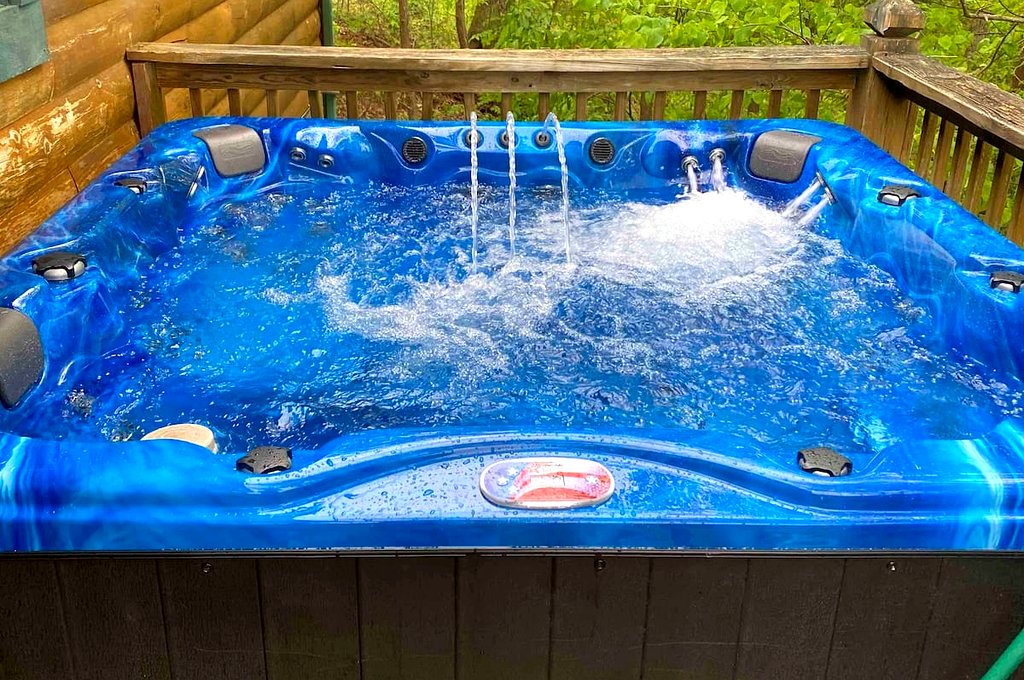 56-Jet Luxury SpaBluetooth, subwoofer, LED waterfall.
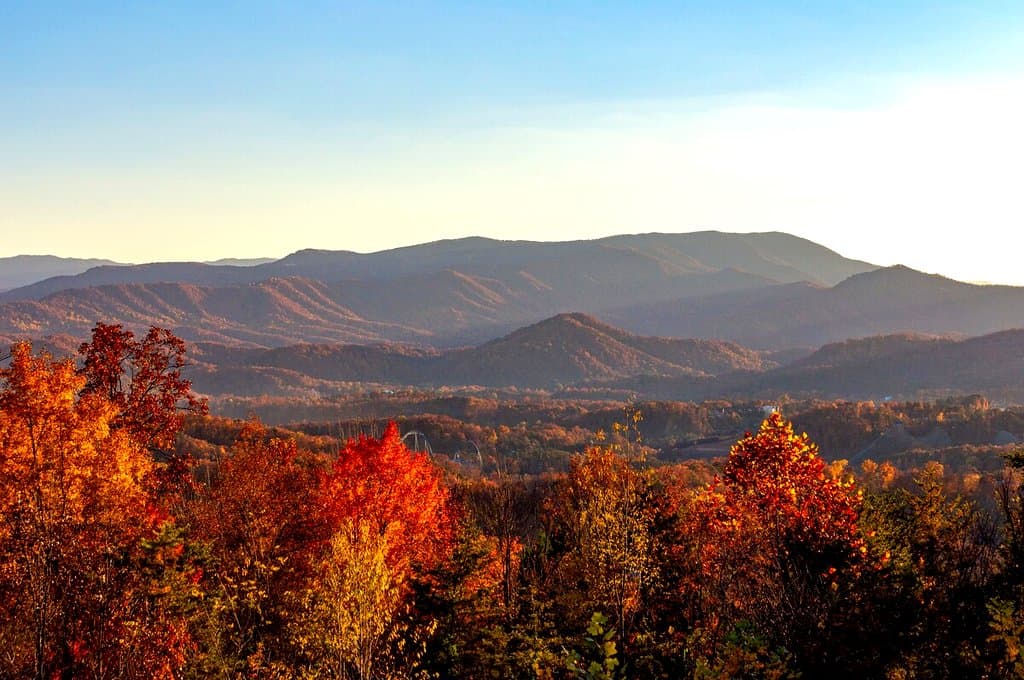
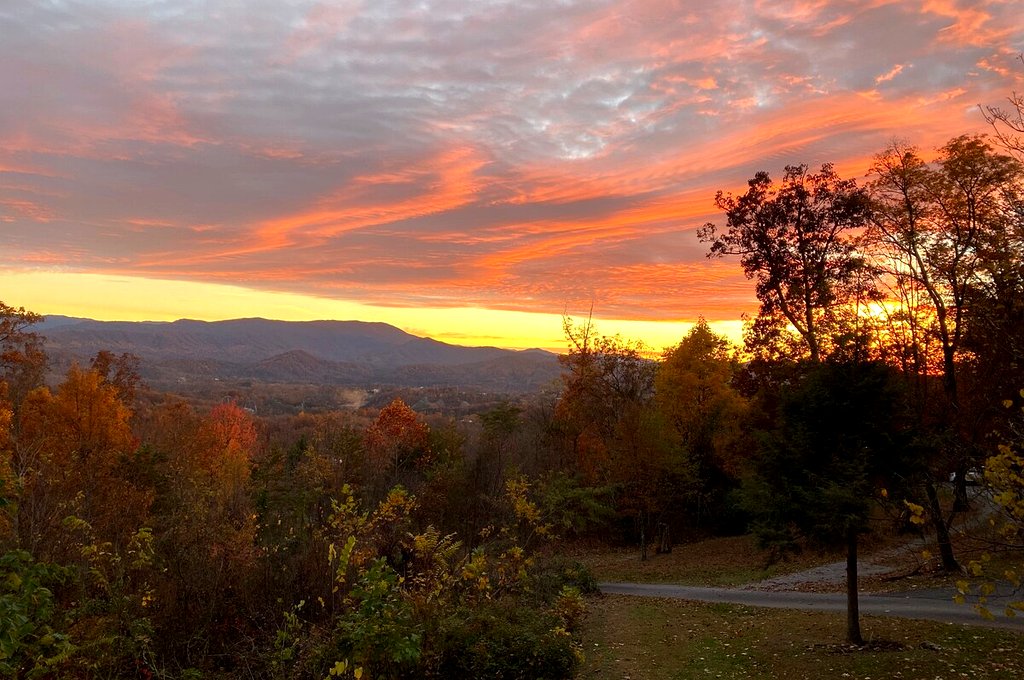 Mountain-View EveningsWatch the evening light change over the mountain ridges.
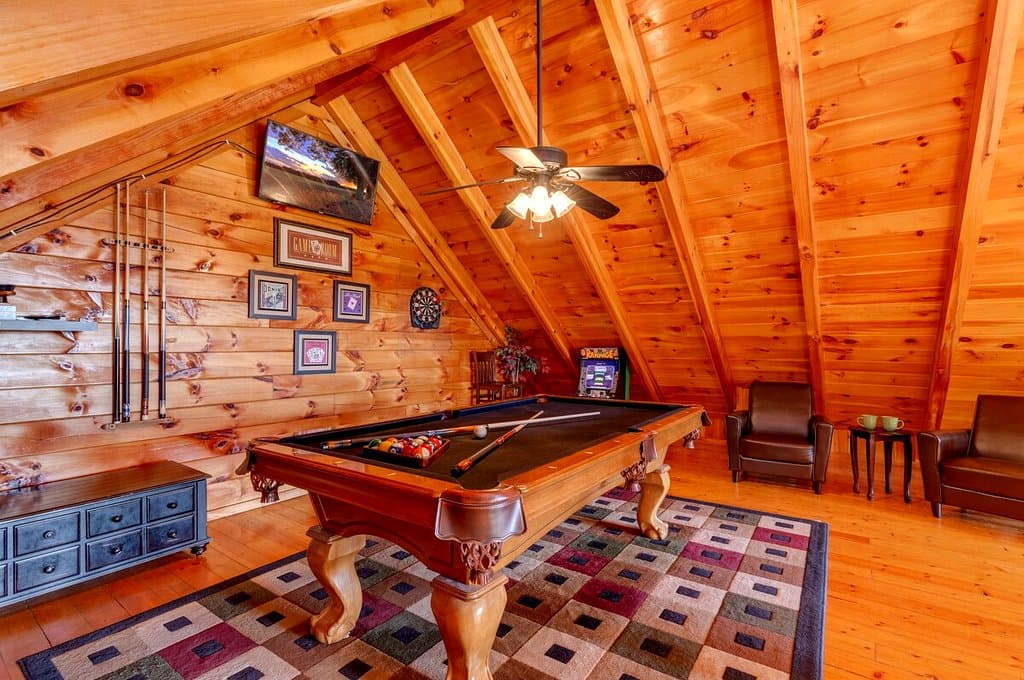
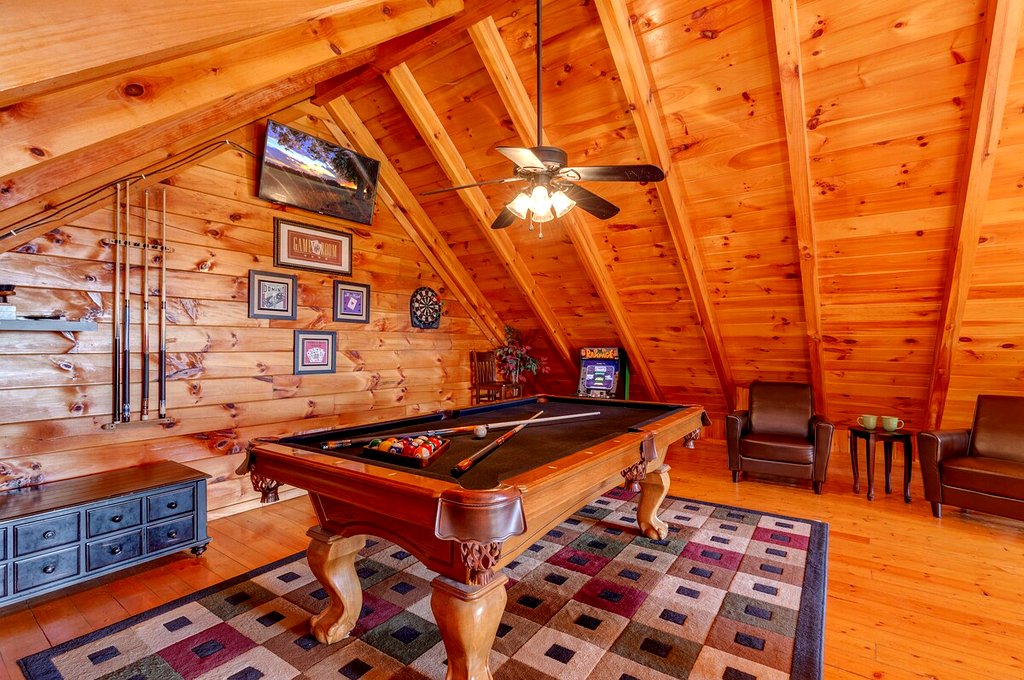 Game RoomPool table, arcade, darts, Xbox.
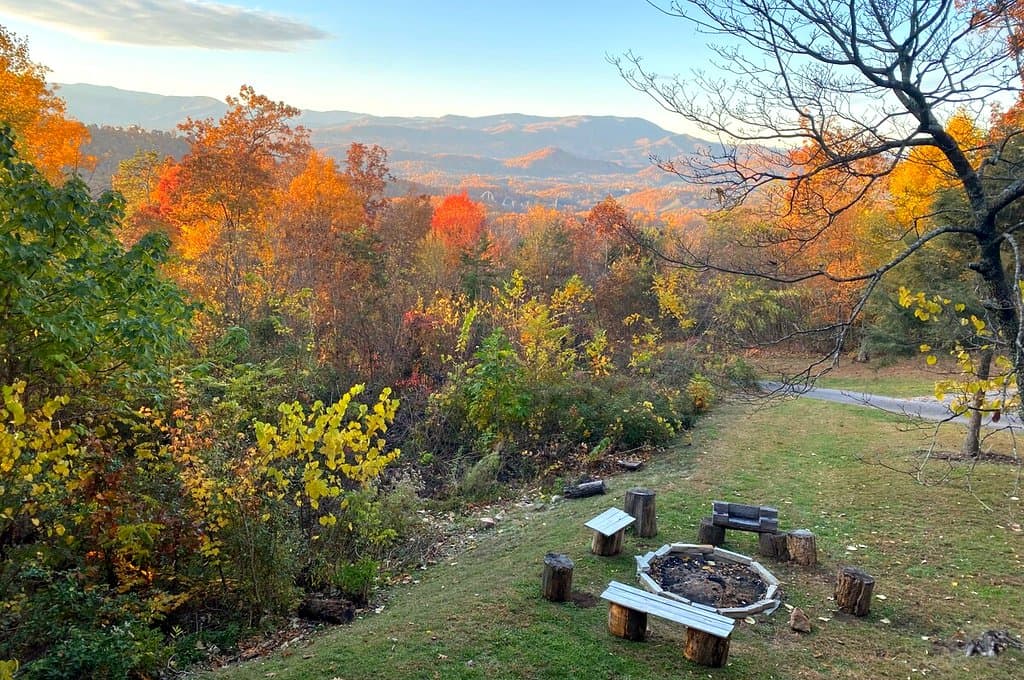
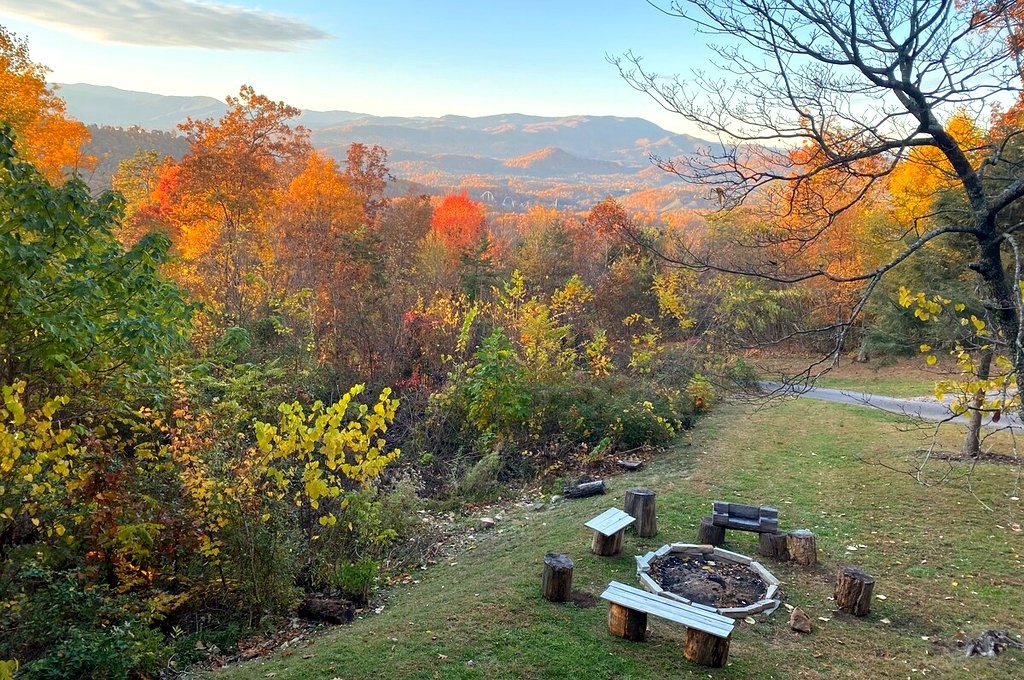 Mountain-View Fire PitS'mores with a ridgeline backdrop.
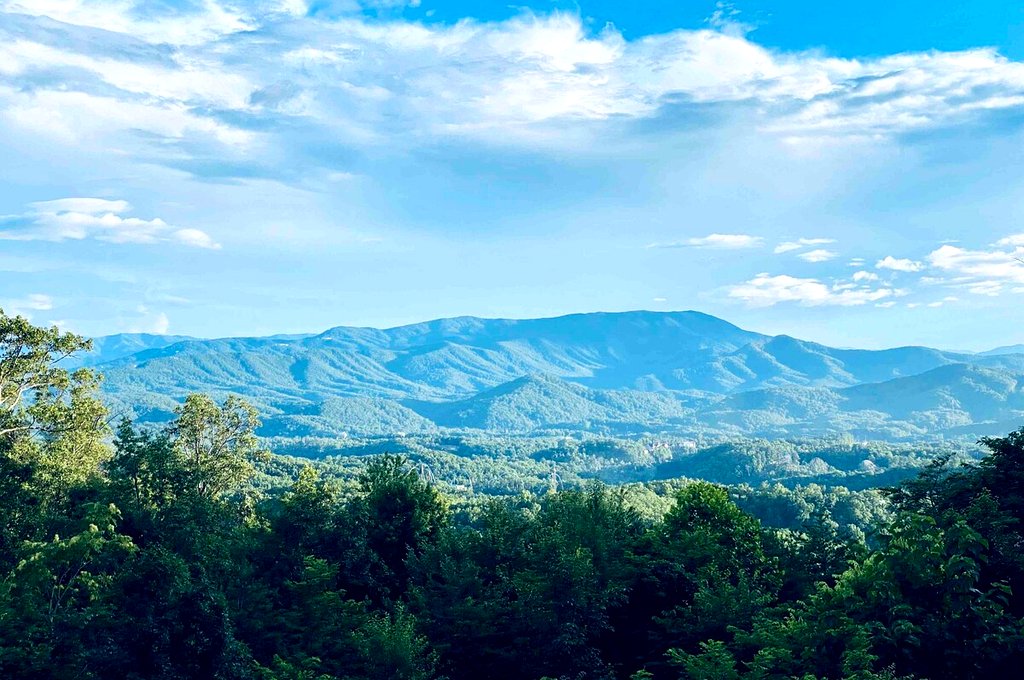 One Private AcreNo neighbors on three sides, 800 forest acres around you.
Which is cheaper, Pigeon Forge or Gatlinburg?
Pigeon Forge usually comes out friendlier on the overall budget. Lodging tends to deliver more space per dollar, parking at most attractions is free rather than garage-metered, and you have more everyday grocery and restaurant options without resort pricing. Gatlinburg can still be done affordably if you walk everywhere and skip the paid attractions, but the baseline runs higher.
Should I stay in Pigeon Forge or Gatlinburg?
Match your lodging to your itinerary rather than your Pinterest board. If Dollywood, dinner shows, and family attractions fill your days, stay on the Pigeon Forge side and drive into Gatlinburg once or twice. If hiking and walkable evenings top the list, stay closer to the park entrance. A cabin positioned between the two gives you both without committing to either extreme.
What is the prettiest town in the Smoky Mountains?
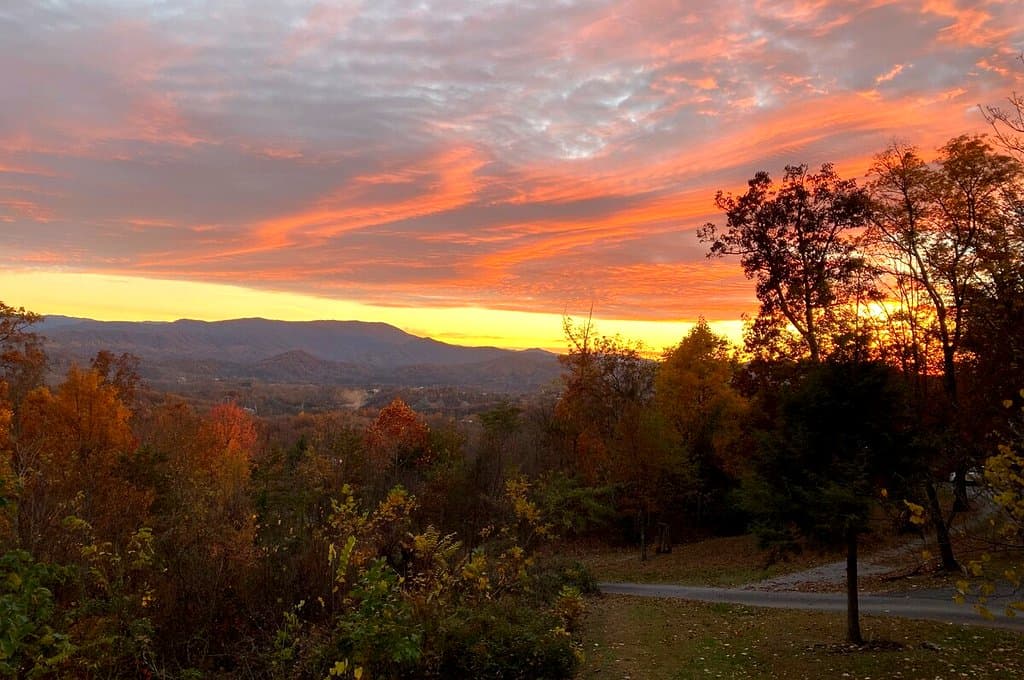
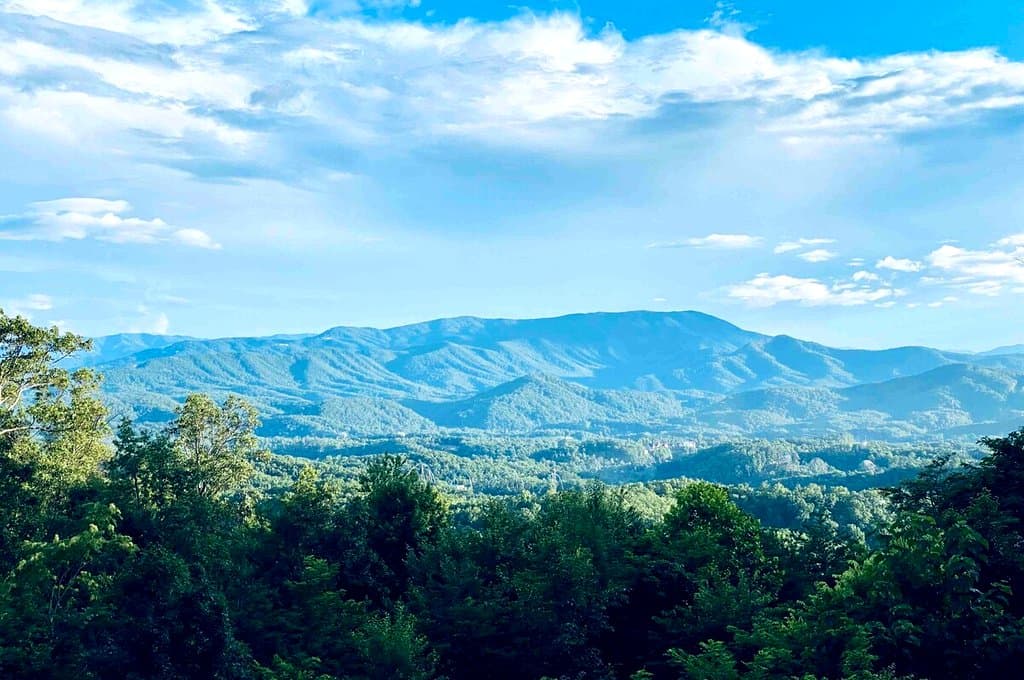
For pure mountain scenery inside town limits, Gatlinburg is hard to beat, since the ridges rise directly behind the rooftops. That said, the prettiest views in this area are rarely in a town at all. They are from a cabin deck, a park overlook, or a gravel pull-off on a quiet back road at sunset.
How far apart are Gatlinburg and Pigeon Forge?
Roughly eight miles along the Parkway. Off-season that drive is quick. In peak season, plan on considerably longer, especially heading south on a weekend afternoon when everyone is converging on the national park entrance at the same time.
The Short Answer
Is it better to go to Gatlinburg or Pigeon Forge? Gatlinburg if you want to walk, hike, and feel the mountains around you. Pigeon Forge if you want attractions, easy parking, and a budget that stretches further. And if you want both, which most visitors do once they see how close they are, the answer is to stay somewhere that keeps both within an easy drive and gives you a reason to come back to the cabin instead of collapsing in it.
That is the part people underrate. The right basecamp is not just a place to sleep between outings. It is the quiet acre, the deck chair, the grill, the morning nobody had to drive anywhere.
If you want both towns within easy reach without burning vacation days in traffic, check availability now. Our standard minimum stay is three nights, and prime weekends in fall and the holiday season fill early.
Start Planning Your Trip