 Thistle Britches
Drive the Parkway north out of Gatlinburg on a Friday in October and you can watch the price of a vacation change in real time. Bumper to bumper past the aquarium, paid parking signs every hundred feet, brake lights all the way to the spur. Twenty minutes later you are in Pigeon Forge, where the parking lots are free and the pancake houses outnumber the parking meters. Ten minutes past that you are in Sevierville, where the traffic thins out, the chain hotels cluster around the interstate exits, and nightly rates drop again. Same mountains the whole way. Three very different receipts.
So is it cheaper to stay and Gatlinburg or Pigeon Forge or Sevierville? As someone who hosts right at the edge of the action, I get asked this constantly, usually by a family staring at four browser tabs trying to figure out why one cabin costs double another one six miles away. The honest answer involves more than the nightly rate, and the cheapest listing on your screen is frequently the most expensive trip you will take.
Key Takeaways
- Gatlinburg usually carries the highest nightly rates because of walkability, national park access, and limited buildable land.
- Pigeon Forge typically lands in the middle on rates but wins on total trip cost thanks to free parking and central location.
- Sevierville often posts the lowest nightly numbers, with the tradeoff being longer drives to attractions.
- Cleaning fees, resort fees, pet fees, and parking can quietly erase a nightly-rate bargain.
- Season matters more than city: an October weekend in Sevierville can cost more than a February week in Gatlinburg.
The Short Answer on Which Town Costs Less
Line up comparable cabins with the same bedroom count, the same hot tub, and the same booking window, and the pattern repeats itself year after year. Sevierville posts the lowest nightly rates. Pigeon Forge sits in the middle. Gatlinburg sits at the top, especially anything within walking distance of downtown or the national park entrance.
That ranking flips the moment you add up what you actually spend. Gatlinburg charges for parking nearly everywhere downtown, and many cabin complexes up in the hills above the city tack on extra fees. Sevierville saves you money on the room and spends it back in gas, drive time, and the general annoyance of crossing the whole Pigeon Forge Parkway twice a day to reach Dollywood or the Smokies.
Pigeon Forge ends up being the practical middle for most families because it is geographically between the two. You are minutes from Dollywood, roughly twenty to thirty minutes from the Sugarlands Visitor Center depending on traffic, and attraction parking is overwhelmingly free. If you want the longer breakdown of just those two towns, I wrote a full comparison of cabin costs in Gatlinburg versus Pigeon Forge that goes line by line.
One more thing worth saying plainly: the three towns are not interchangeable experiences. Gatlinburg is a walkable mountain town pressed against Great Smoky Mountains National Park. Pigeon Forge is the attraction corridor. Sevierville is where locals shop, eat, and live. Choosing purely on price without knowing which one fits your trip is how people end up driving forty minutes each way to things they could have walked to.
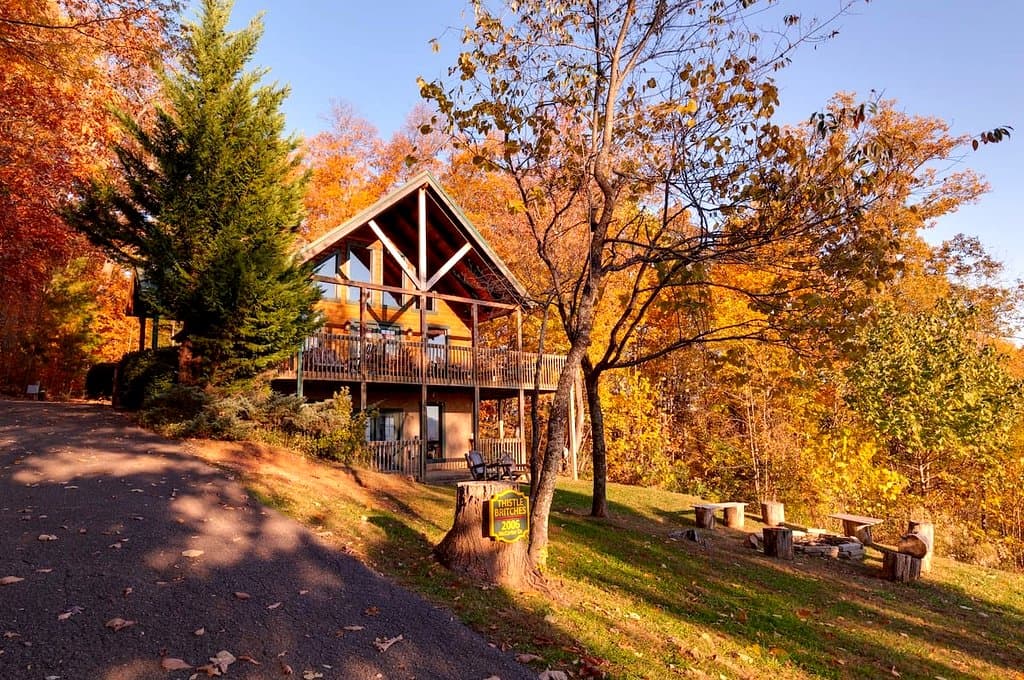
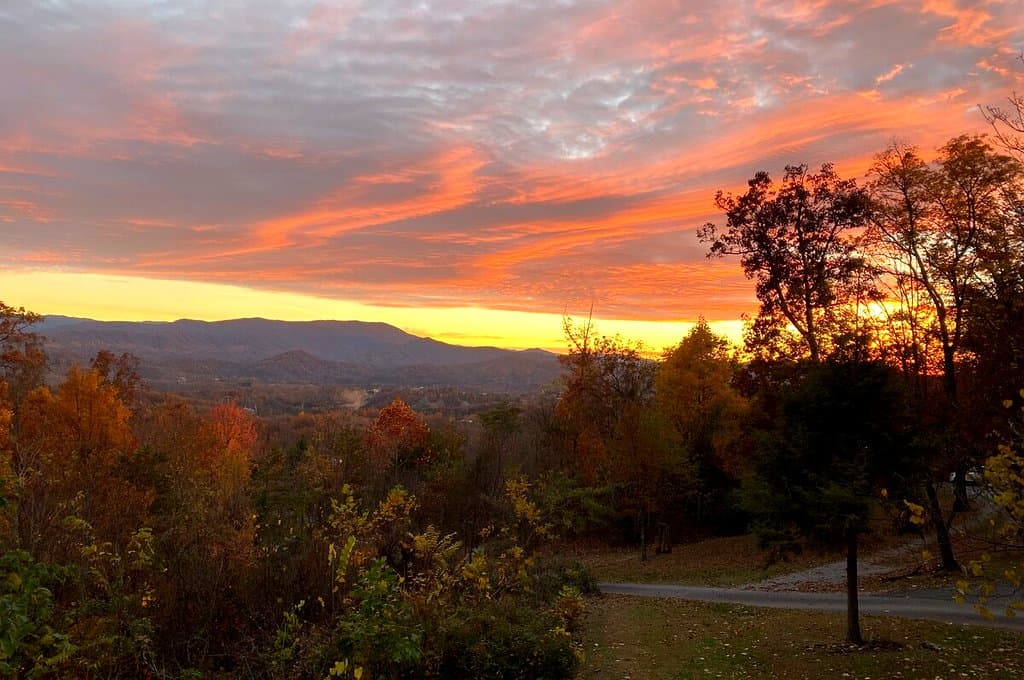
Actual photo of Thistle Britches, a private mountain cabin above Dollywood.
Why Gatlinburg Tends to Cost More
Gatlinburg is hemmed in. The city sits in a narrow valley with the national park boundary on three sides, which means there is almost nowhere left to build. Limited supply plus constant demand equals higher rates, and that math has not changed in decades.
Then there is the walkability premium. A cabin or condo close enough to walk to the Space Needle, Ole Smoky, or the aerial tramway commands a real markup because guests will pay to skip driving. The same cabin moved six miles out loses that premium instantly.
Parking is the quiet budget killer. Downtown Gatlinburg lots and garages charge by the hour or by the day, and if you are in and out of town three times across a long weekend, that adds up fast. Many Gatlinburg cabins also sit on steep, winding private roads, which matters in winter and matters for anyone pulling a trailer.
Gatlinburg also runs hotter on crowd pressure, which affects what you pay for everything else. Peak leaf season, Christmas lights season, and summer weekends push both lodging and restaurant waits to their limits. I covered the specific weeks I steer guests away from in my guide to when to avoid Gatlinburg, and the pricing follows those crowds almost exactly.
None of this makes Gatlinburg a bad choice. If your trip is hiking in the park every morning and walking to dinner every night, the higher nightly rate buys back real convenience. Just budget for it honestly instead of discovering it at checkout.
Why Pigeon Forge Often Costs Less Than You Expect
Pigeon Forge spreads out along a wide commercial corridor with far more land available for cabins, which keeps supply healthier and rates more competitive. You also get the single biggest hidden savings in the entire county: free parking at essentially every attraction, show, outlet mall, and restaurant.
Think about what that means over a four-night trip. Dinner show one night, outlet shopping one afternoon, two days at Dollywood, a couple of Parkway stops in between. In Gatlinburg, several of those stops cost you parking. In Pigeon Forge, none of them do.
Location is the other advantage. From the Pigeon Forge area you can reach Gatlinburg and the national park entrance in a reasonable drive, hit Sevierville for groceries at the big stores near Governor's Crossing, and still be minutes from the attractions your kids actually came for. You are not paying a premium for walkability, but you are not paying a gas-and-time penalty either.
Dollywood proximity is where this gets concrete. Our cabin sits 0.8 miles from Dollywood and Splash Country, roughly four minutes by car. That distance changes how a family uses a day. You go in at opening, come back for naps and lunch at the cabin, and head back for the evening without burning an hour in transit or paying for meals inside the park twice.
Four minutes from Dollywood, on a secluded acre with no neighbors on three sides, and a south-facing deck pointed right at the park. Dates in leaf season and the Christmas lights stretch go first.
Book Your Stay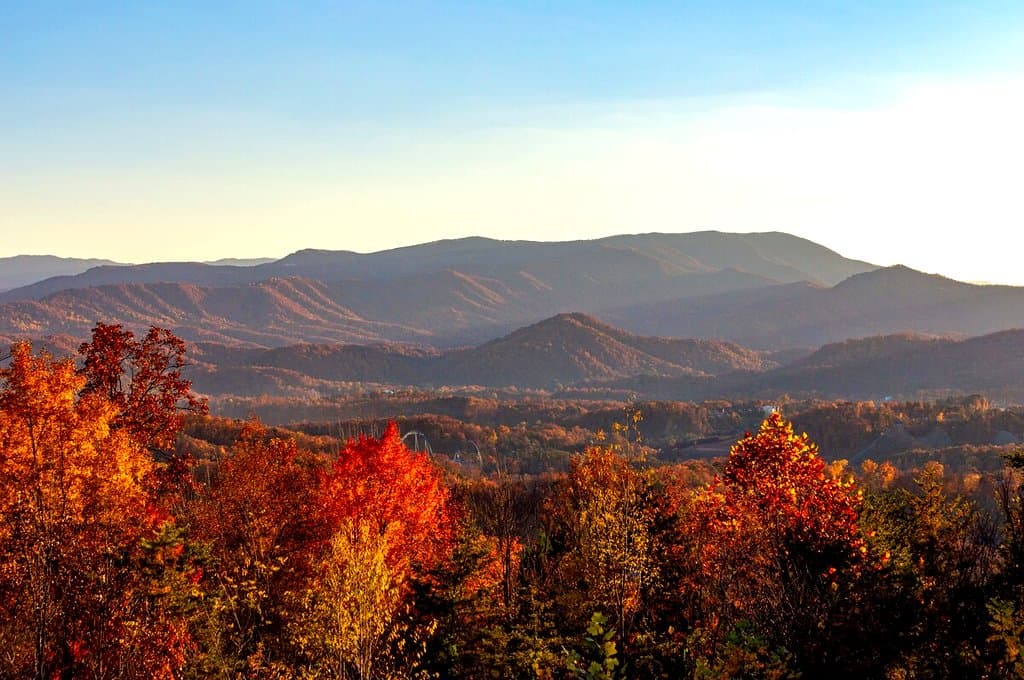
The Sevierville Advantage and Its Real Tradeoff
Sevierville is the value play, and it is a legitimate one. Nightly rates on comparable cabins and hotels run lower, the dining skews toward places locals actually eat, and the traffic on Winfield Dunn Parkway feels human compared to the Parkway crawl further south. Families on tight budgets who do not mind driving can genuinely save on the room line.
Sevierville also has real draws of its own. The Tennessee Museum of Aviation, Forbidden Caverns out toward the river, Soaky Mountain Waterpark, the big-box shopping that saves you from paying tourist-corridor prices on groceries and sunscreen. If your trip is mostly cabin time with a couple of outings, Sevierville can be the smartest money in the county.
The tradeoff is drive time, and it compounds. Every trip to Dollywood, every trip to the national park, every dinner on the Parkway means driving the length of Pigeon Forge. In peak season that stretch of road can double your travel time, and you are doing it twice a day. The money you saved on the nightly rate starts leaking back out in gas, patience, and the thing nobody budgets for: wasted vacation hours.
There is also a geography detail that trips people up. Lodging marketed as Sevierville or Pigeon Forge sometimes sits outside either city's limits in unincorporated Sevier County, which affects taxes, trash service, and occasionally road maintenance. Our own cabin is in the Pigeon Forge area but not inside Pigeon Forge city limits, which is exactly why we sit on a full secluded acre instead of in a dense cabin cluster. Read the address, not just the headline.
So if the question is purely is it cheaper to stay and Gatlinburg or Pigeon Forge or Sevierville on the nightly rate alone, Sevierville usually takes it. If the question is which town costs less across the whole trip for a family hitting Dollywood and the park, the answer shifts toward Pigeon Forge.
The Booking Mistake That Blows Up Most First Trips
Here is the pain I watch play out every single season. A family finds a cabin that looks like a steal, books it on nightly rate alone, and arrives to a trip that costs more and feels worse than the pricier option they passed on.
The leak comes from four places. Cleaning fees that are flat regardless of how many nights you stay, so a short trip gets hammered. Resort or amenity fees at cabin complexes, charged per night whether you use the pool or not. Pet fees that vary wildly between properties. And parking, both downtown and occasionally at the lodging itself.
Then there is the layout problem. A listing says it sleeps twelve, and the budget-per-person math looks fantastic, until you realize eight of those twelve are on air mattresses and futons in a loft with no door. Nobody sleeps. Everybody is cranky by day two. The savings were never real.
What to look for instead: real beds with real privacy, a per-person number based on how many people can actually sleep comfortably, and a total at checkout rather than a nightly headline. We market six guests because that is honestly what the cabin sleeps well. Two bedrooms, two full bathrooms, two king beds, and three queen fold-out couches. Two bathrooms for six people is the detail that saves mornings.
The other overlooked line item is whether the cabin lets you cook. Feeding a family of six on the Parkway three times a day gets expensive fast. A real kitchen plus a propane grill on the deck turns two or three of those meals into groceries from the Sevierville stores, and that single change does more for a vacation budget than switching towns.
What Actually Drives the Price in All Three Towns
City matters less than timing. The same cabin can swing dramatically between a quiet February midweek and the third week of October, and no amount of town-shopping beats a smart calendar.
The expensive windows across Gatlinburg, Pigeon Forge, and Sevierville are predictable: peak leaf season in October, the winter lights season from November into the new year, summer weekends when Dollywood and the waterparks are at capacity, spring break, and the big car show and rod run weekends that fill every room in the county. If you want to see the color without paying the peak, my notes on the best week for fall colors explain how elevation stretches the foliage window longer than most visitors assume.
The cheap windows are just as predictable. January and early February, the stretch after spring break and before Memorial Day, and early December midweek before the holiday rush really lands. Shoulder season in all three towns can cost a fraction of peak, and the mountains do not care what month it is.
Other price drivers worth knowing: distance from the Parkway, hot tub presence, view quality, how new the build is, road steepness, and how far in advance you book. Cabins with genuine privacy price higher than cabins packed in a resort grid, and in my experience that is one of the few premiums guests never regret paying.
Internet quality has become a real factor too, especially for anyone extending a trip into a work week. We run 321 Mbps T-Mobile 5G home internet, which handles video calls and streaming for a full house. Worth confirming before you book if someone in your group needs to log on.
Frequently Asked Questions
Is it cheaper to stay and Gatlinburg or Pigeon Forge or Sevierville for a family of six?
For a family of six, Pigeon Forge usually wins on total cost even when the nightly rate is not the lowest of the three. Free attraction parking, short drives to Dollywood and the park, and the ability to come back to the cabin midday for lunch all cut real money out of the trip. Sevierville can beat it on the room line if your plan is mostly cabin time with few outings.
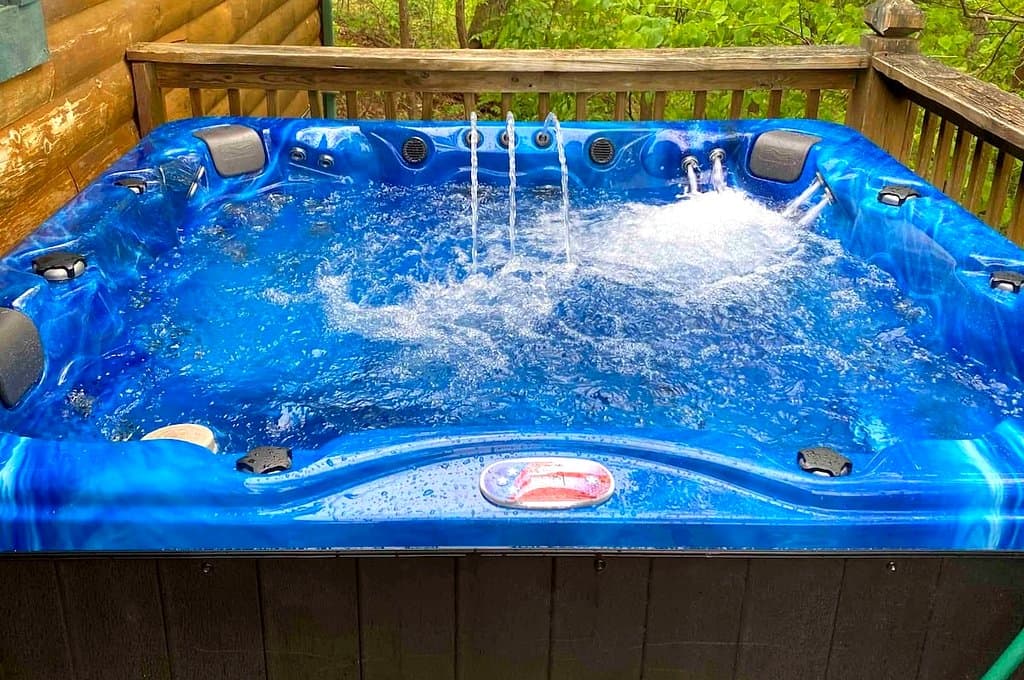
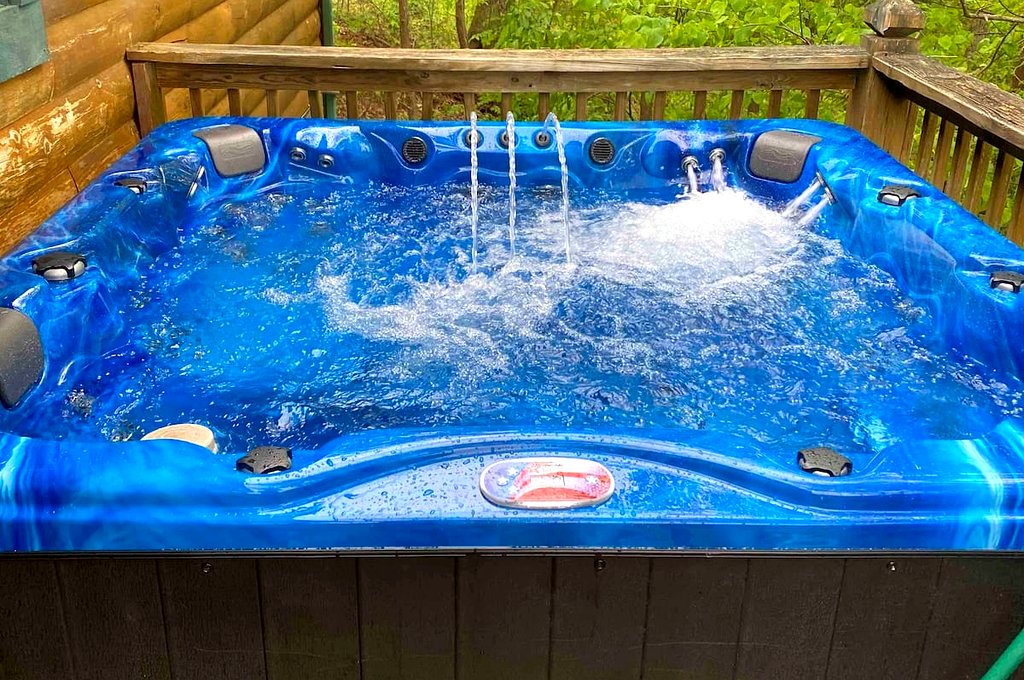 56-Jet Luxury SpaBluetooth, subwoofer, LED waterfall.
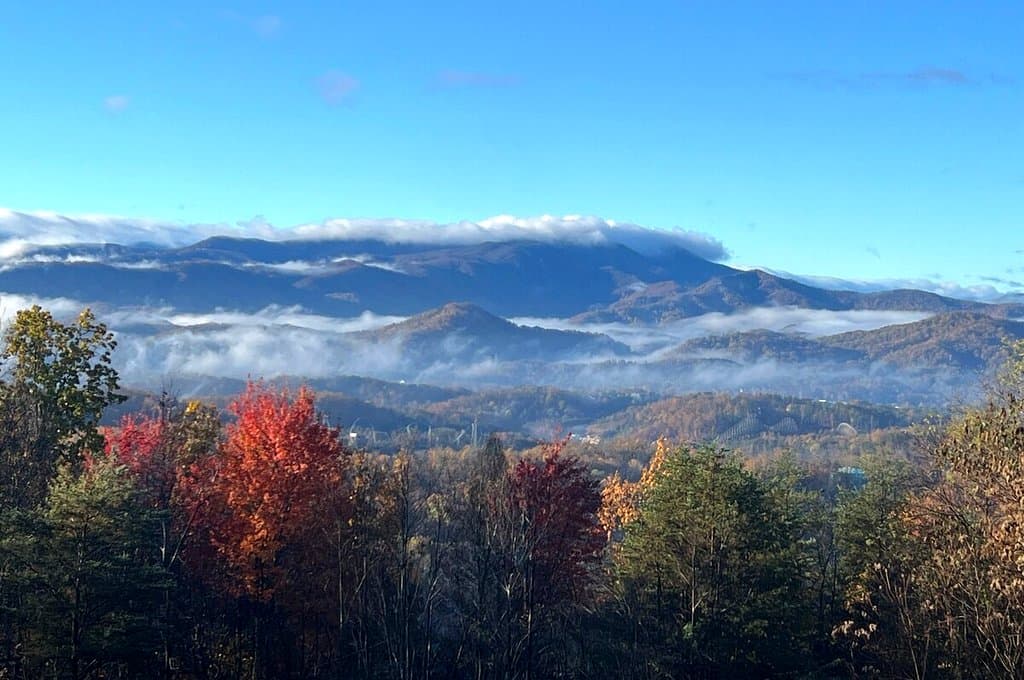
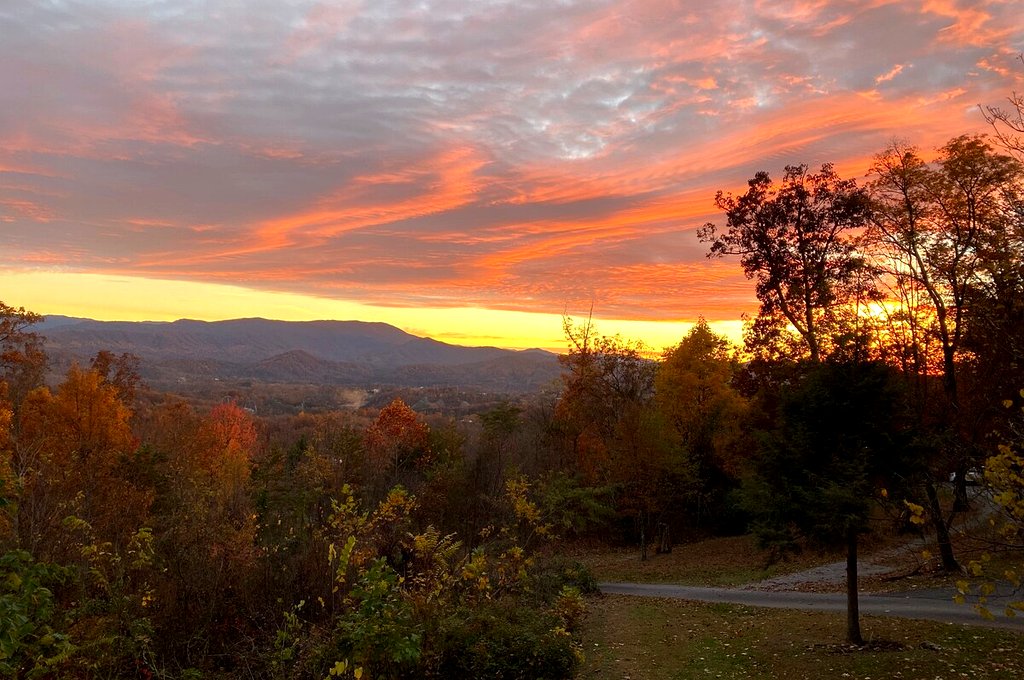 Mountain-View EveningsWatch the evening light change over the mountain ridges.
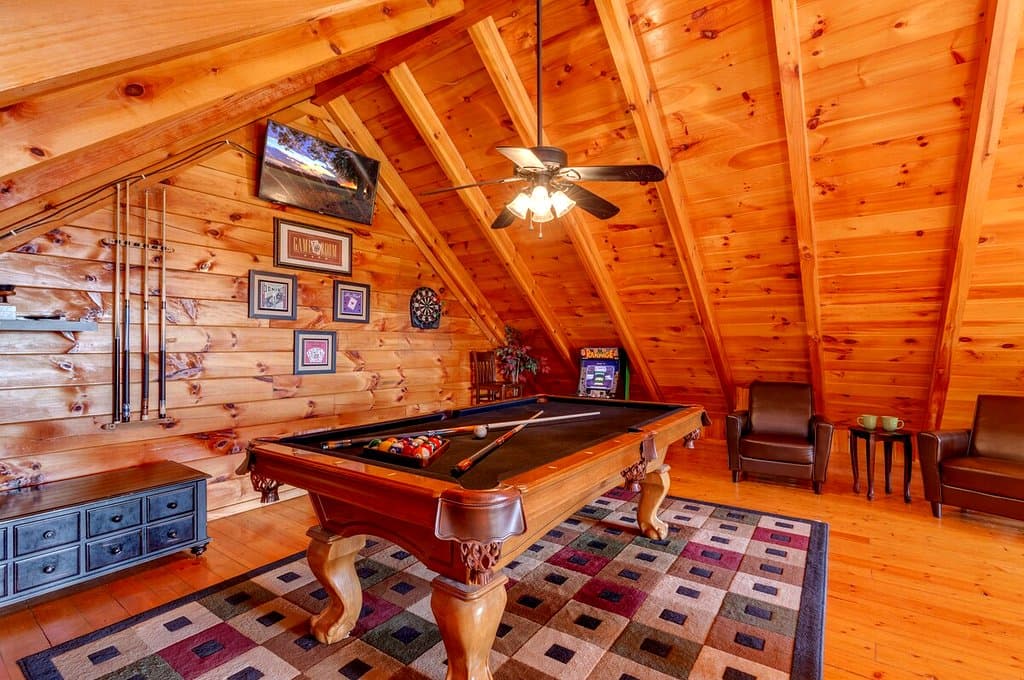
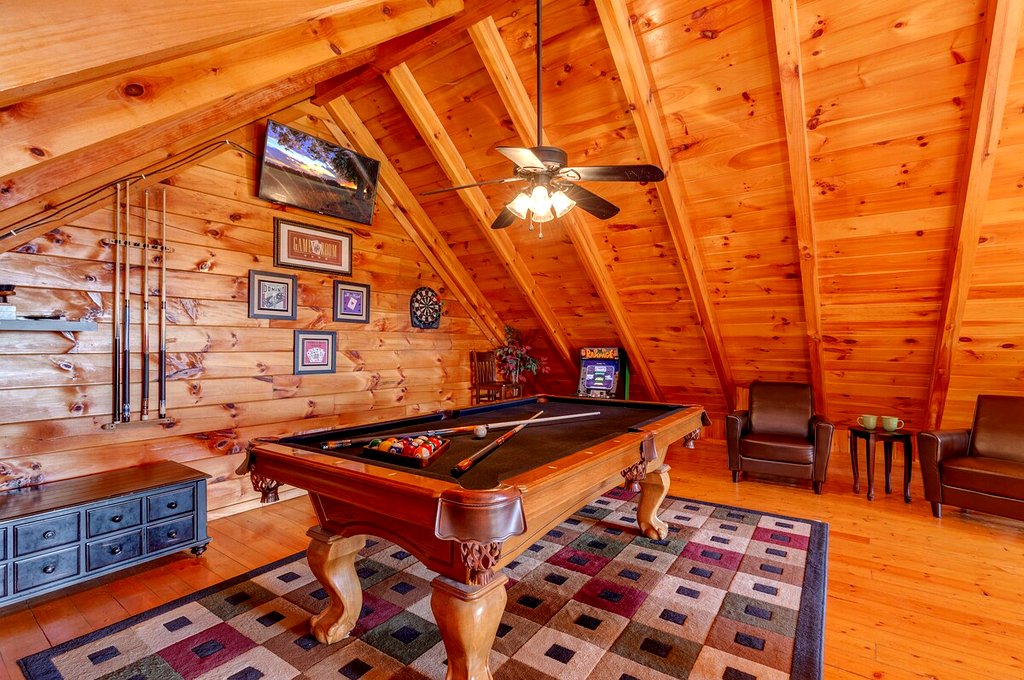 Game RoomPool table, arcade, darts, Xbox.
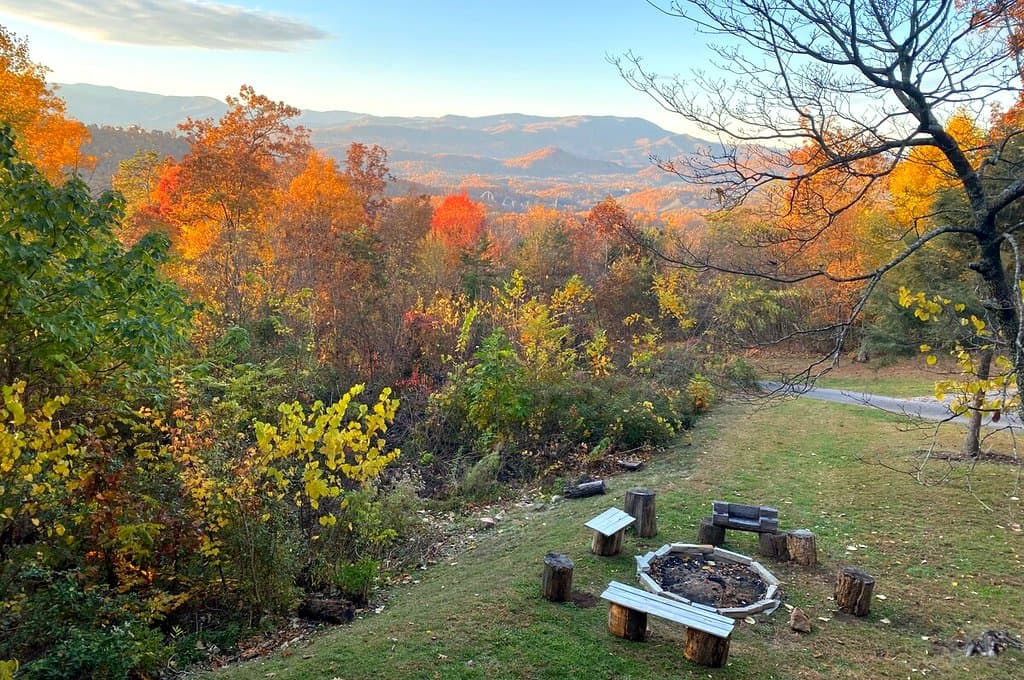
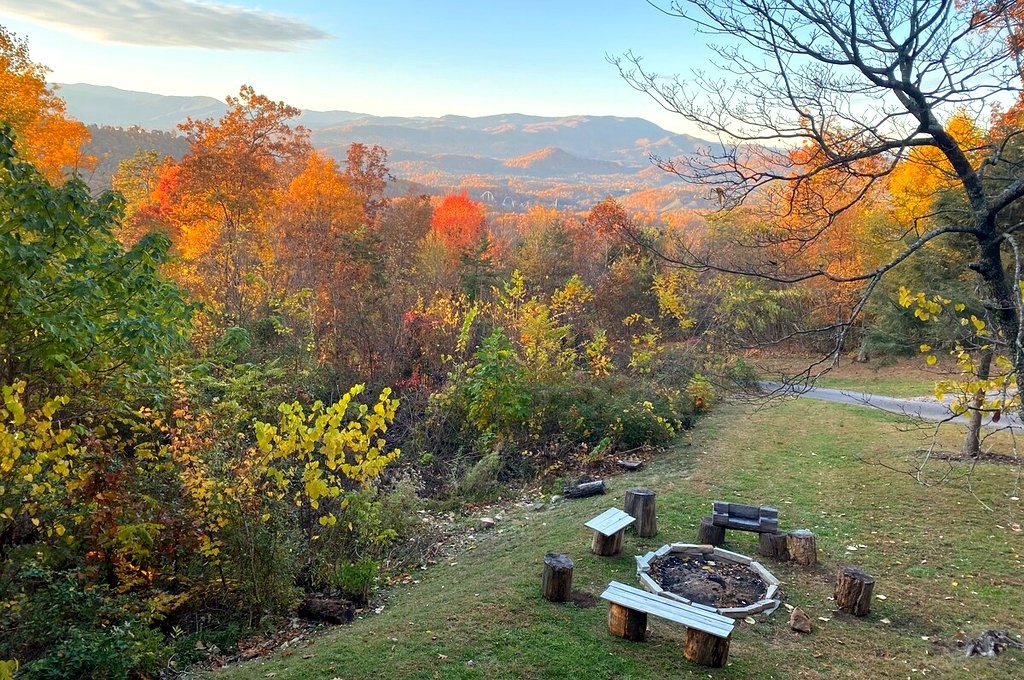 Mountain-View Fire PitS'mores with a ridgeline backdrop.
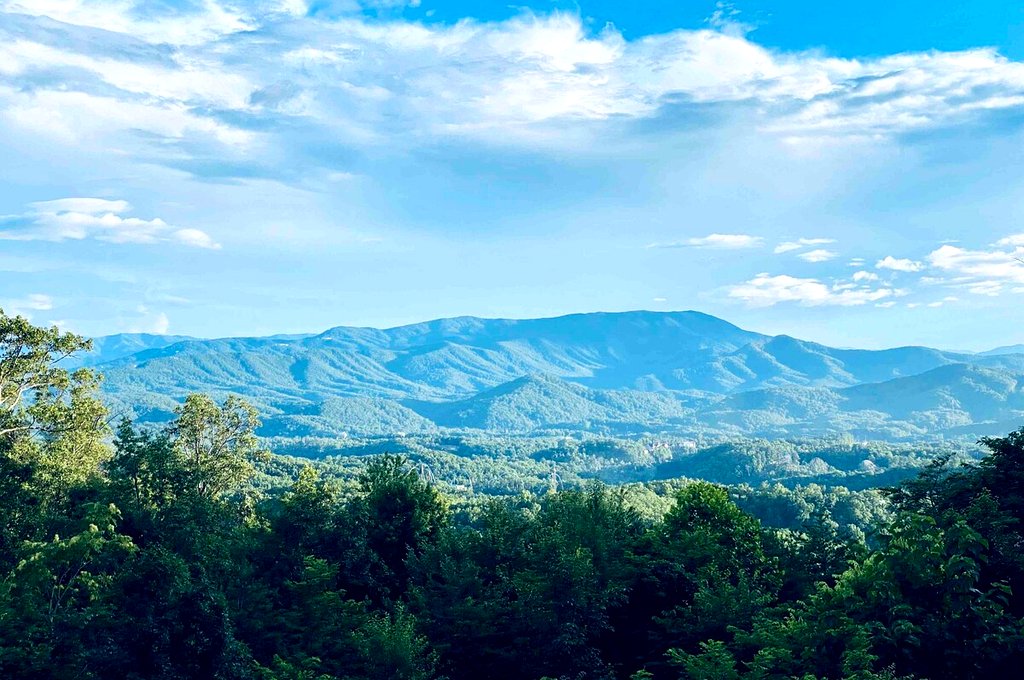 One Private AcreNo neighbors on three sides, 800 forest acres around you.
Which town is closest to the Great Smoky Mountains National Park entrance?
Gatlinburg, by a wide margin. The main Sugarlands entrance sits just south of downtown Gatlinburg, so you can be on a trailhead in minutes. From the Pigeon Forge area you are looking at a reasonable drive that stretches considerably in peak traffic, and from Sevierville add more on top of that.
Do Gatlinburg cabins really cost more than Pigeon Forge cabins?
Generally yes, for comparable properties booked in the same window. Gatlinburg has less buildable land, sits against the national park, and carries a walkability premium that Pigeon Forge cabins do not. The gap narrows in shoulder season and widens sharply during leaf season and the winter lights stretch.
Is Sevierville worth it to save money?
It depends entirely on your itinerary. If you are hitting Dollywood multiple days or driving into the park every morning, the drive time and gas eat the savings and cost you vacation hours. If your trip centers on the cabin with a couple of outings, Sevierville is a smart, quieter place to base yourself.
When is the cheapest time to visit any of the three towns?
January and early February are the quietest and least expensive across all three, followed by the window between spring break and Memorial Day. Midweek stays beat weekends in every season. Avoid the October leaf peak, the holiday lights rush, and the big car show weekends if price is your priority, and read up on the weeks locals plan around before you lock in dates.
How I Would Actually Decide
Pick the town that matches the trip, then shop the calendar hard. If your days are trailheads and walkable evenings, pay the Gatlinburg premium and park once. If your days are Dollywood, shows, and letting the kids burn energy on the Parkway, base in the Pigeon Forge area and bank the parking savings. If you are after a quiet cabin week with a few outings and the lowest room rate you can find, Sevierville earns the drive.
What I would not do is book on nightly rate alone. Run the total: fees, parking, gas, groceries, and how many people can genuinely sleep in a bed. That number is the only one that tells you whether it is cheaper to stay and Gatlinburg or Pigeon Forge or Sevierville for your specific trip.
For what it is worth, our corner of the area threads the needle on most of those lines. One acre, no neighbors on three sides, 0.8 miles from Dollywood, a south-facing deck looking toward the park, a propane grill, and two bathrooms for six guests. Dogs are welcome, two maximum, though the outdoor dog area is open and unfenced so leashes stay on. On the right seasonal nights you can catch Dollywood's fireworks or drone shows from the deck, though those run on the park's own schedule rather than every evening.
If you want Pigeon Forge convenience without the parking fees, the cabin-cluster crowding, or a listing that oversells how many people it sleeps, check the calendar now. Three-night minimum, six guests, four minutes to Dollywood.
Start Planning Your Trip