
 Thistle Britches
Come through the Smokies on a Friday evening in October and you can feel the difference between the two towns before you ever check a price. Traffic thickens near the Parkway in Pigeon Forge, pancake houses glow, and the go-kart tracks hum. Keep driving south and the road narrows into Gatlinburg, where sidewalks crowd, parking signs multiply, and every turn gets tighter. Same mountain range, same river, completely different cost structure. So which is cheaper to stay at Pigeon Forge or Gatlinburg? As someone who hosts guests less than a mile from Dollywood and answers this question almost every week, the honest answer is that Pigeon Forge usually wins on total trip cost, but not for the reason most people assume. Nightly rate is only one line on the receipt. Parking, driving time, fuel, food, and how many bodies you can legally fit under one roof move the number far more than the headline price does. Let's walk through the real math the way a local would, starting with what each town actually charges you.
Key Takeaways
- Pigeon Forge generally offers lower nightly rates and more free parking, which is why most budget travelers land there first.
- Gatlinburg costs more in hidden ways: paid downtown parking, tighter cabin lots, steeper access roads, and premium-priced dining.
- Gatlinburg buys you walkability and closer national park access, which can be worth the premium for couples without kids.
- Per-person cost matters more than per-night cost. A cabin sleeping six beats two hotel rooms almost every time.
- Minimum stay rules, cleaning fees, and resort or amenity fees shift the comparison more than the advertised rate.
Which Is Cheaper to Stay at Pigeon Forge or Gatlinburg on Nightly Rate Alone
Strip everything else away and Pigeon Forge typically lists lower. The town has more land, more cabin inventory, more hotel rooms, and more competition per square mile along the Parkway corridor. More supply pushes prices down, especially midweek and in the shoulder seasons of late January through early March and the first weeks of November.
Gatlinburg sits in a mountain gap at the entrance to Great Smoky Mountains National Park, and there is simply less buildable ground. Scarcity shows up in the rate. Downtown condos and walk-to-the-strip chalets command a premium because you are paying for position, not square footage. That premium is real and it is fair, but it is a premium.
The catch is that nightly rate comparisons get distorted by size. A Gatlinburg studio and a two-bedroom Pigeon Forge cabin are not the same product. If you want a genuine comparison, line up similar sleeping capacity, similar bathroom count, and similar amenity level. When I run that comparison for guests, the Pigeon Forge side almost always comes in under Gatlinburg for comparable space. Our own area breakdown of what cabin rentals actually cost in Pigeon Forge goes deeper on how seasonality swings those numbers.
One more variable people forget: minimum stay rules. Peak weekends in both towns carry multi-night minimums. At our place the default minimum is three nights, and one-night rentals are never offered. That is standard across most quality cabins on either side of the mountain, so build your budget around a real weekend block instead of a single night.
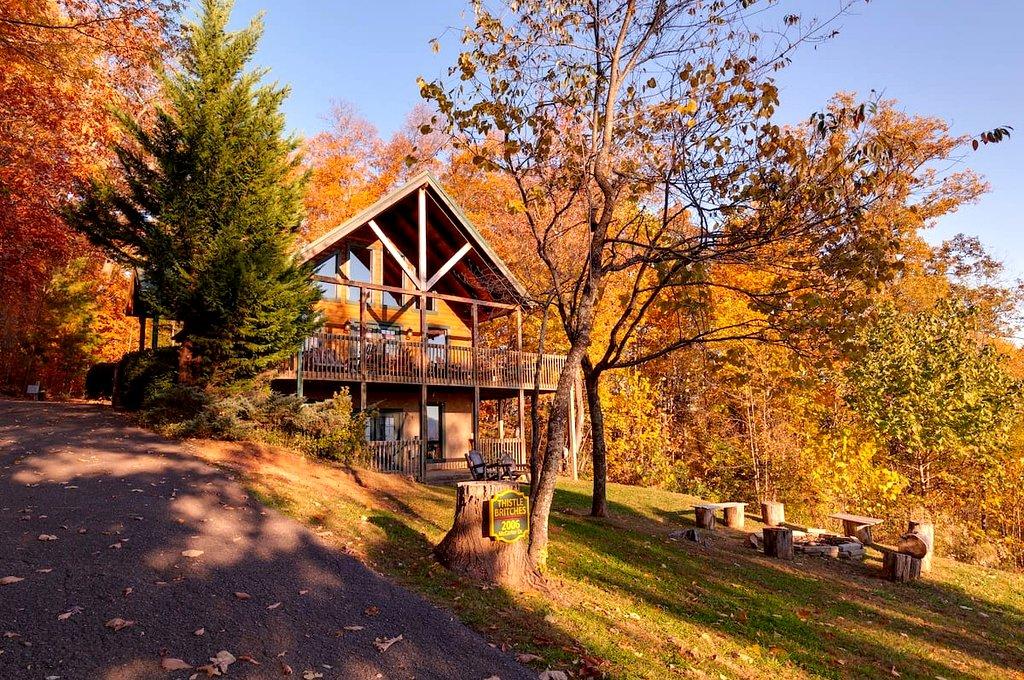
Actual photo of Thistle Britches, a private mountain cabin above Dollywood.
Parking, Fuel, and the Costs Nobody Puts on the Listing
This is where the Pigeon Forge versus Gatlinburg question really gets decided. Gatlinburg's downtown runs on paid parking. Garages, metered lots, and private spaces are the norm if you are not within walking distance of your room, and those charges stack up across a four-day trip for a family that comes and goes.
Pigeon Forge attractions mostly sit on their own lots with free parking. Dollywood charges for parking, but the big-box shopping, the dinner shows, and the mini-golf courses along the Parkway generally do not. For a family running errands, grabbing groceries, and bouncing between attractions, that difference adds up quietly in your favor.
Then there is the Trolley system. Both towns run trolleys, and in Gatlinburg it is genuinely the smart move since walking the strip beats fighting for a space. But trolley fares, parking, and the time cost of shuttling are still costs. Factor them.
Fuel is the sleeper expense. If you book a cheap cabin high on a Gatlinburg mountain road, you may be eight to twelve minutes of switchbacks from the nearest gas station or grocery store. Every forgotten gallon of milk becomes a twenty-minute round trip on a grade that burns fuel and brake pads. Guests at our cabin reach Dollywood and Splash Country in about four minutes because the gate is roughly 0.8 miles away, and that proximity quietly saves an hour of driving a day during a Dollywood-heavy week.
Food costs skew higher in downtown Gatlinburg simply because rent is higher there. Pigeon Forge has more mid-priced family restaurants and more full grocery options, which matters if you plan to cook even two meals during the stay. A kitchen plus a propane grill turns breakfast and one dinner into pocket change compared with eating every meal out.
The Cabin Mistake That Wrecks Most First Trips
The most expensive mistake I see is chasing the lowest nightly rate into a cabin that does not fit the group. Families book a cozy one-bedroom because it was the cheapest line item, then discover that four adults sharing one bathroom on a Dollywood morning turns a vacation into a scheduling argument. Or they book two hotel rooms to solve the space problem and end up paying more than a two-bedroom cabin would have cost.
The second mistake is ignoring the road. Plenty of inexpensive listings in both towns sit at the top of unpaved or steeply graded drives. In January that drive can be an ice problem. In July it is just a nuisance with a loaded minivan. Nobody puts "you will white-knuckle this driveway" in the headline.
The third is underestimating noise and crowding. Cabins packed shoulder to shoulder in a resort development share hot tub views with the neighbors. You paid for mountain quiet and got somebody else's bluetooth speaker.
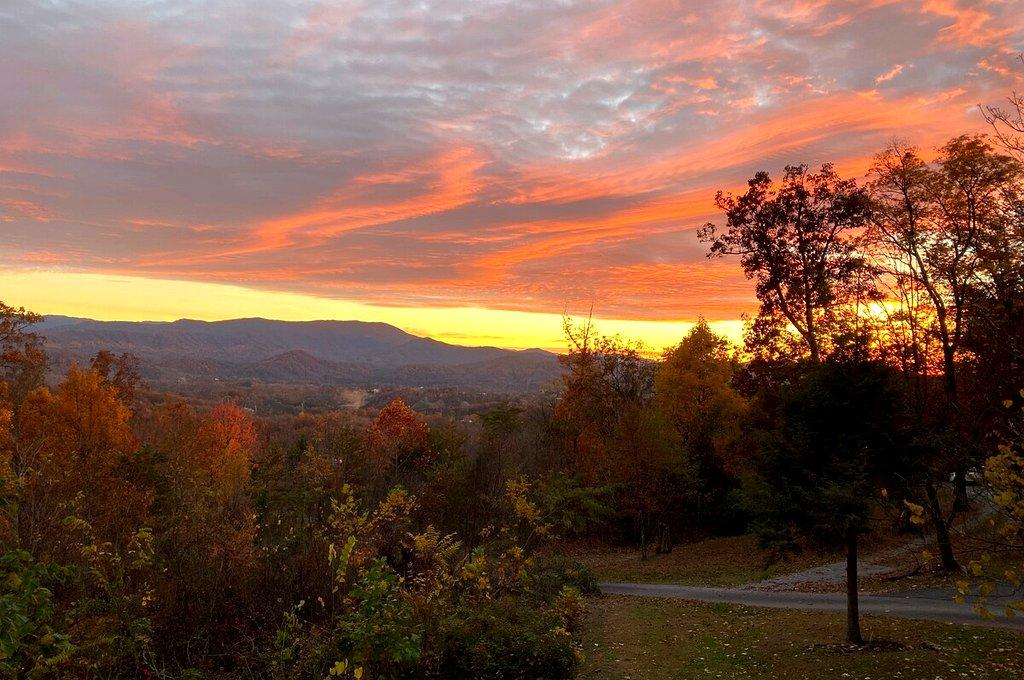
What to look for instead: a place where the per-person cost is low because the capacity is honest, where the drive is manageable, and where the land around you is actually yours. Our cabin sits on one secluded acre with no neighbors on three sides, which is why the deck feels like it belongs to you. It sleeps six across two bedrooms and two bathrooms, with two king beds plus three queen fold-out couches, so a family of six is not stacking people into one bath. The deck faces south toward Dollywood, and during the park's seasonal fireworks and drone show nights you can catch the glow from your own chair instead of fighting the exit crowd.
Two more practical notes that save money. Internet here runs 321 Mbps T-Mobile 5G home internet, enough for a remote work morning before the park opens, which means you do not have to burn a vacation day. And dogs are welcome with a two-dog maximum, so you skip boarding costs entirely. The outdoor dog area is unfenced, so leashes stay on, and we are upfront about that. If you are weighing the pet angle, our guide to dog-friendly cabins in Tennessee covers what to check before you book anywhere.
Stop comparing nightly rates and start comparing total trip cost. A two-bedroom cabin four minutes from Dollywood with free parking on your own acre changes the math for a family of six.
Book Your Stay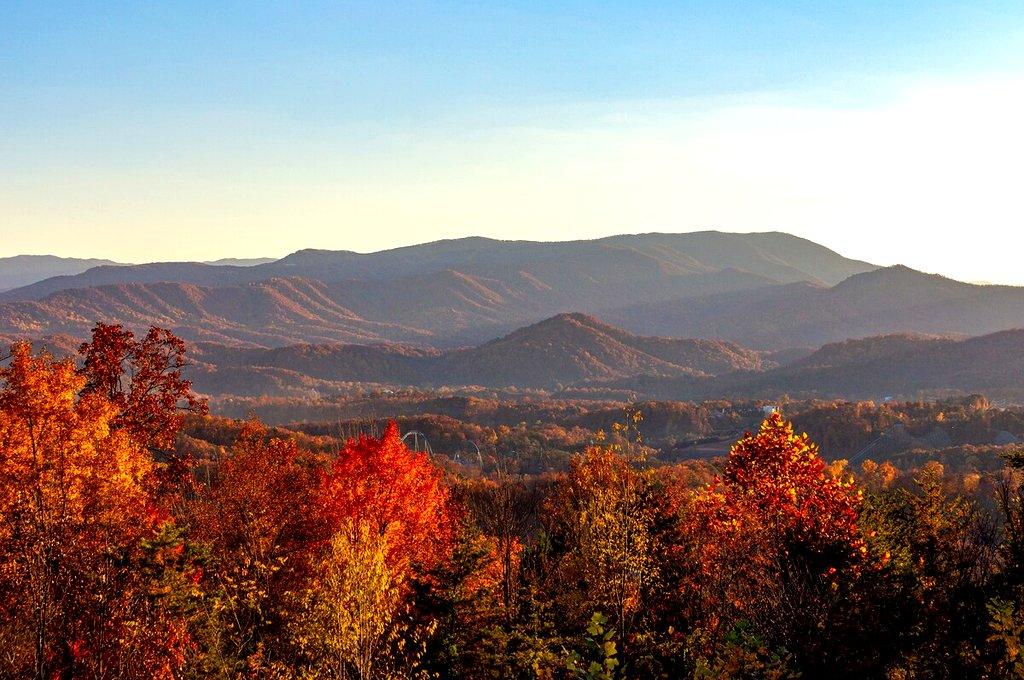
How to Run the Real Math for Your Group
Here is the worksheet I give guests who are still torn between the two towns. Add the nightly rate times your actual number of nights, including any minimum stay. Add cleaning and service fees, which vary widely and can swing a "cheap" booking into the expensive column. Add estimated parking for the attractions you actually plan to visit. Add fuel based on your real driving pattern.
Then divide by the number of people sleeping there. That per-person-per-night number is the only figure worth comparing across towns. A cabin that looks expensive next to a motel room often lands well under it once six people and a kitchen enter the equation.
Next, weigh the itinerary. If your trip is Dollywood, dinner shows, go-karts, The Island, and outlet shopping, Pigeon Forge is both cheaper and closer, and the answer to which is cheaper to stay at Pigeon Forge or Gatlinburg stops being close. If your trip is Ober Mountain, the aquarium, the arts and crafts loop, and hiking from the Sugarlands Visitor Center, Gatlinburg's premium buys you walkability that may genuinely pay for itself in parking you never have to do.
The distance between the two downtowns is short. Figure roughly twenty to thirty minutes depending on season and time of day, and considerably longer on a peak October Saturday afternoon. That is close enough that staying on the Pigeon Forge side and driving into Gatlinburg for a day works beautifully. Doing the reverse, staying in Gatlinburg and commuting to Dollywood every morning, is the version that eats your mornings. For a sense of how much you can realistically squeeze into a trip, see our take on how many days Pigeon Forge actually deserves.
One geographic note worth knowing: plenty of excellent cabins, including ours, sit just outside the Pigeon Forge city limits while still being minutes from the Parkway. Being slightly outside the city line is often exactly why the land is quieter and the lot is bigger. For background on the area's layout, Pigeon Forge, Tennessee gives a useful overview.
Frequently Asked Questions
Is it cheaper to stay in Gatlinburg or Pigeon Forge for a family?
For families, Pigeon Forge almost always comes out cheaper once you total parking, food, and the size of lodging you actually need. There is more inventory of multi-bedroom cabins at accessible prices, more free attraction parking, and more mid-priced family dining. Gatlinburg's advantage is walkability, which matters more for couples than for a group hauling strollers and park bags.
Do you have to pay for parking in Gatlinburg?
In downtown Gatlinburg, yes, in most cases. Public garages, metered spaces, and private lots are the standard, and that cost repeats every time you leave and return. Pigeon Forge attractions mostly provide their own free lots, with Dollywood parking as the notable paid exception.
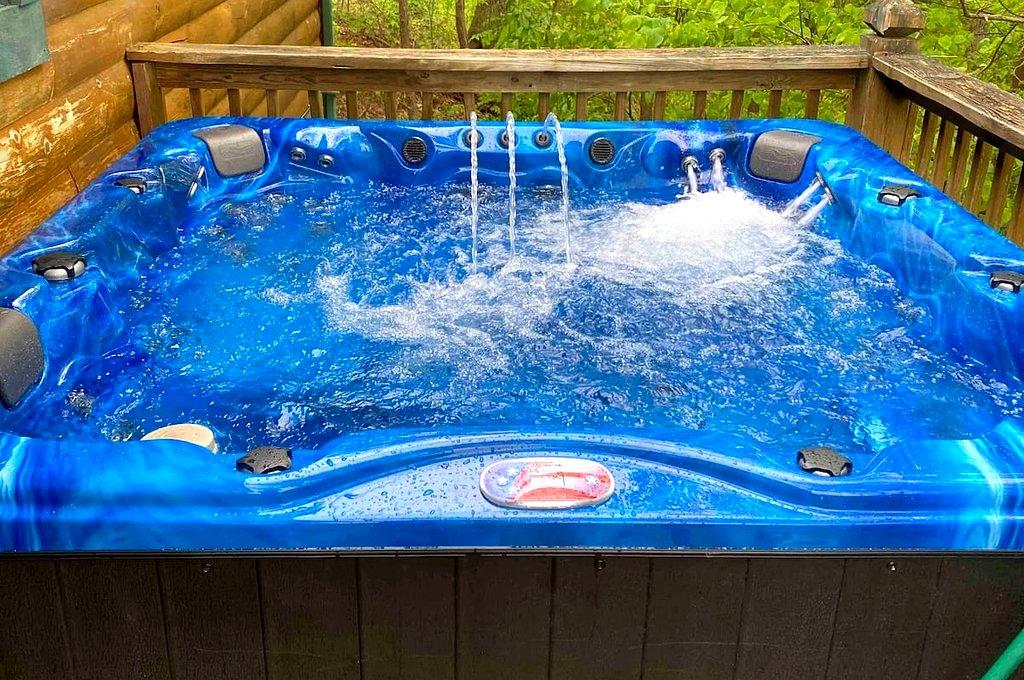
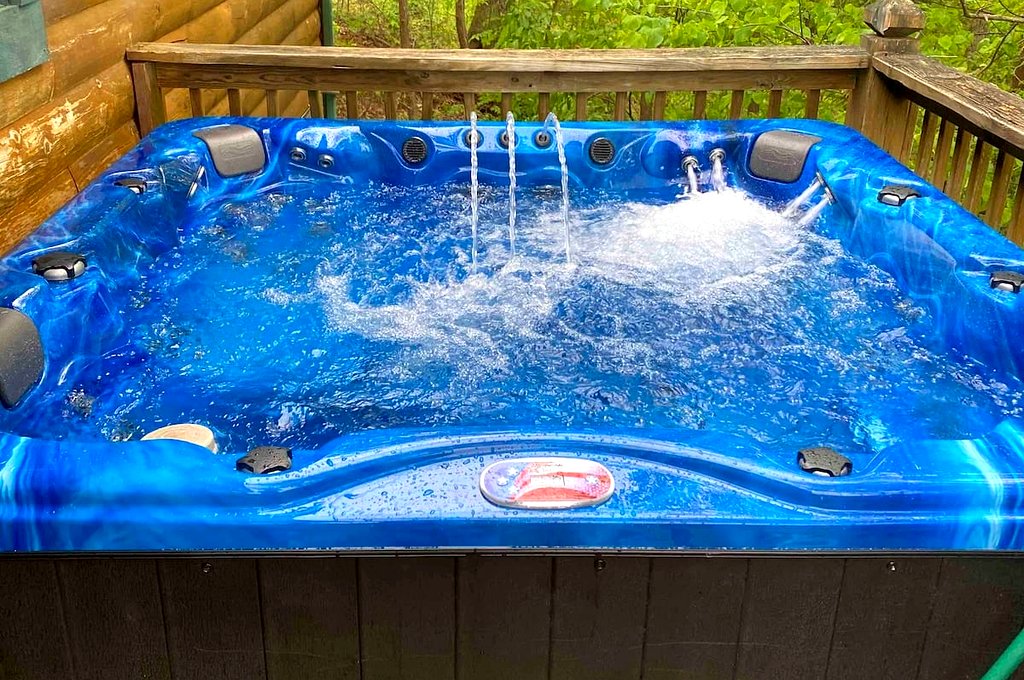 56-Jet Luxury SpaBluetooth, subwoofer, LED waterfall.
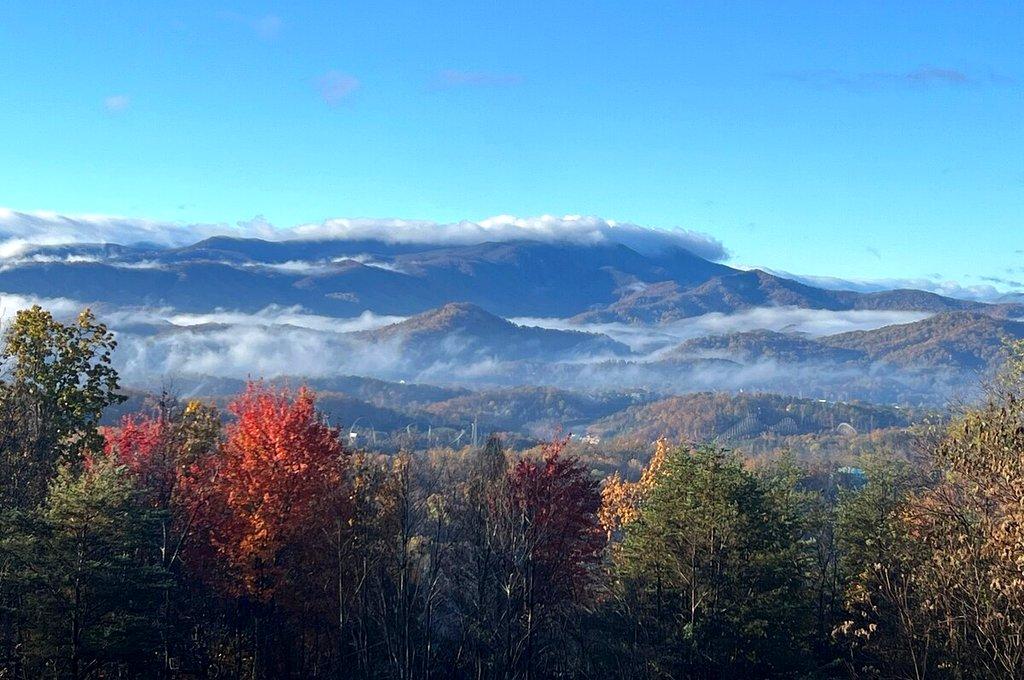
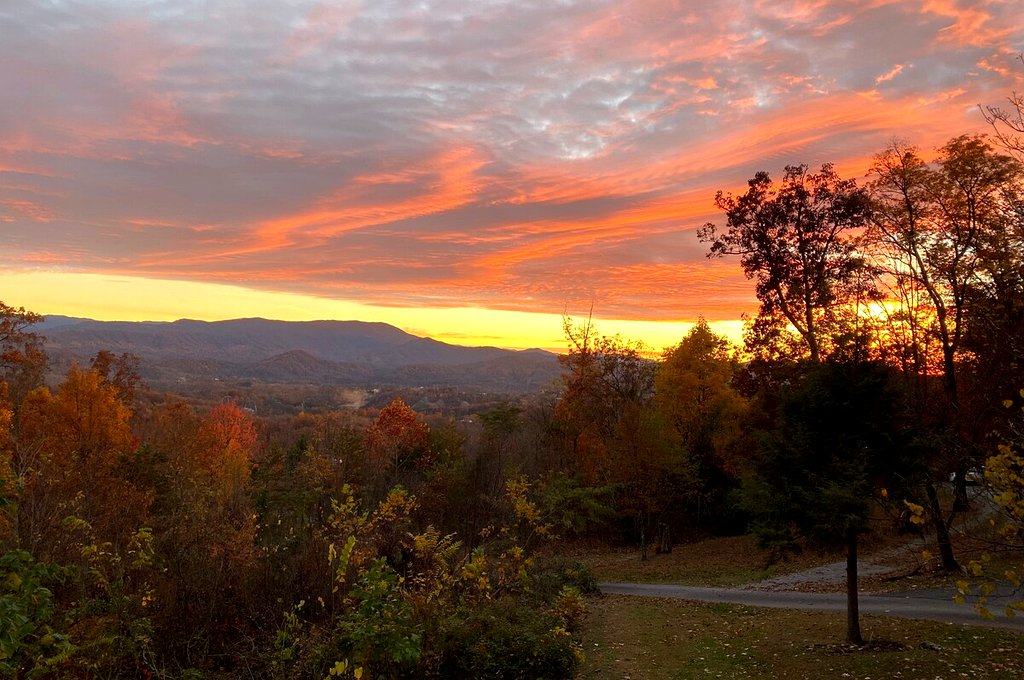 Mountain-View EveningsWatch the evening light change over the mountain ridges.
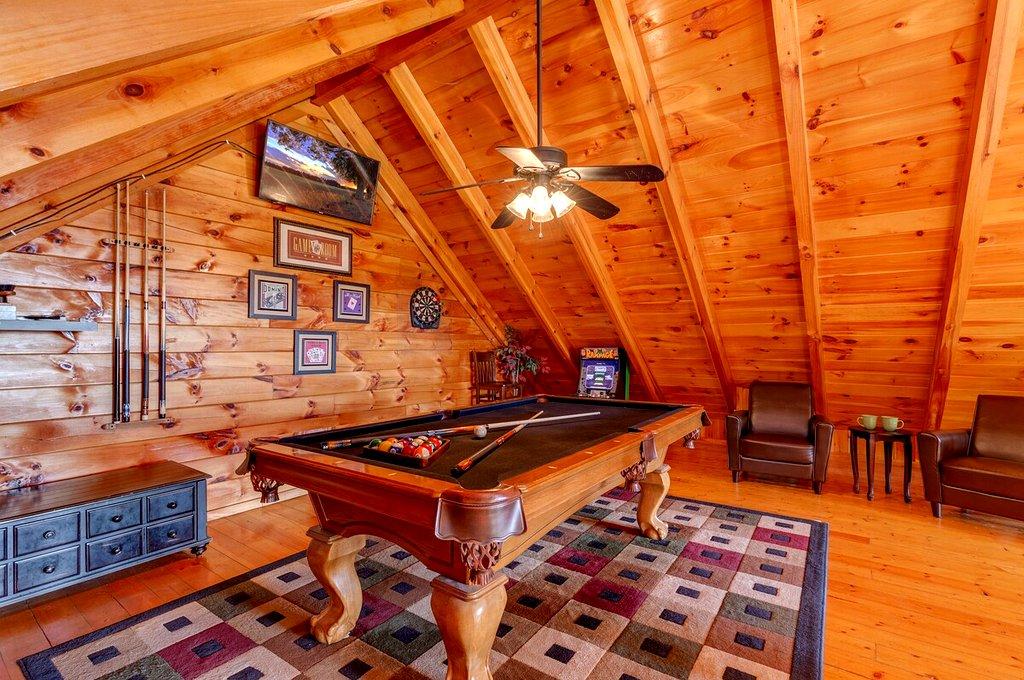
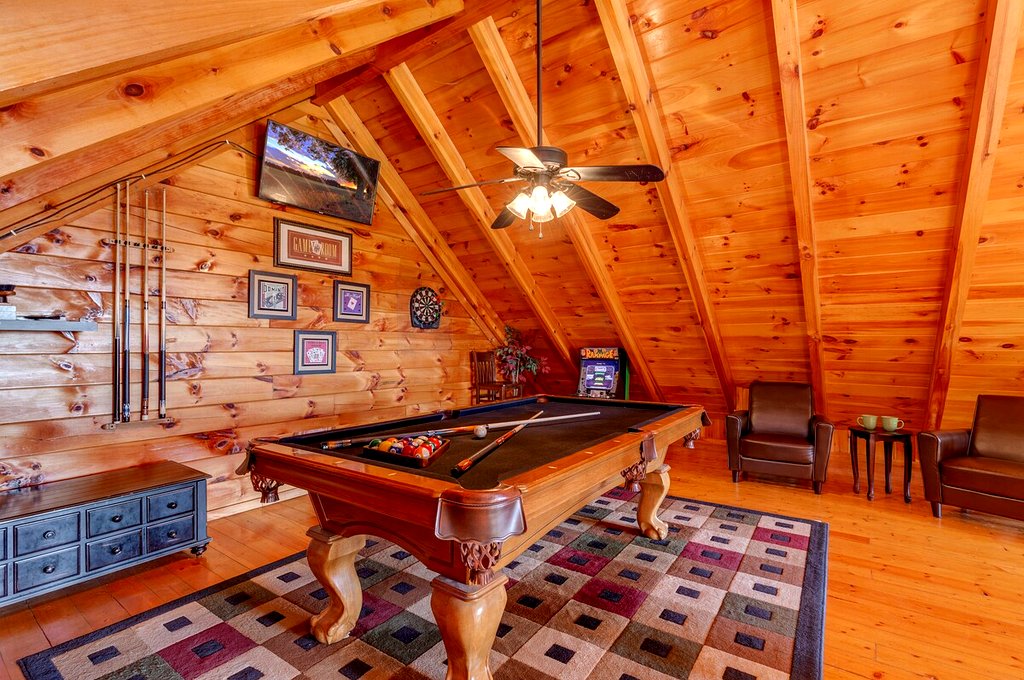 Game RoomPool table, arcade, darts, Xbox.
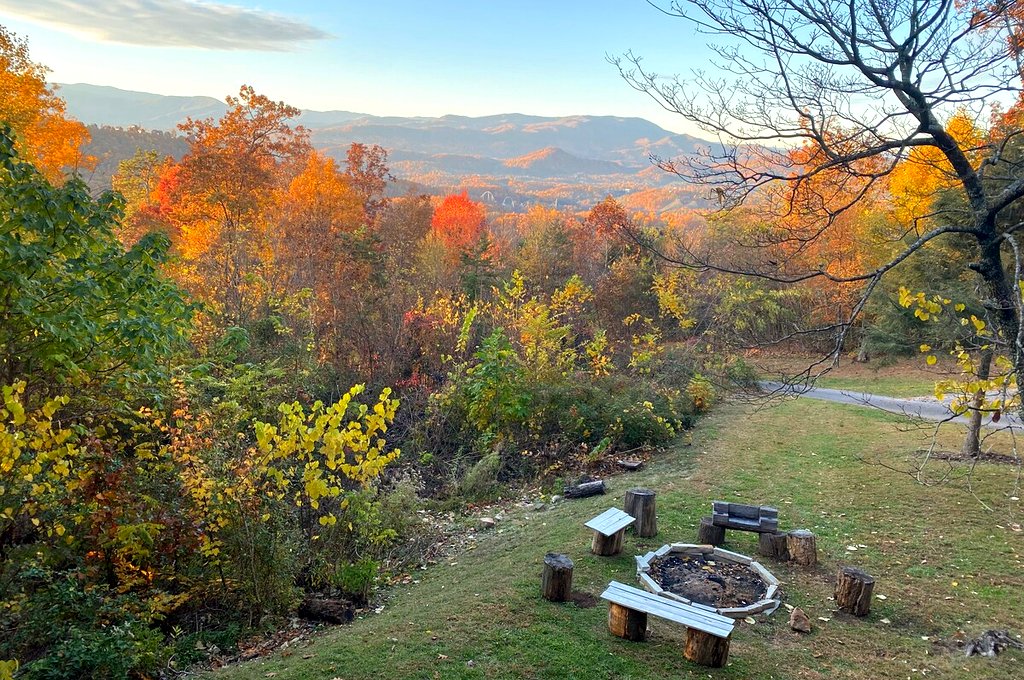 Mountain-View Fire PitS'mores with a ridgeline backdrop.
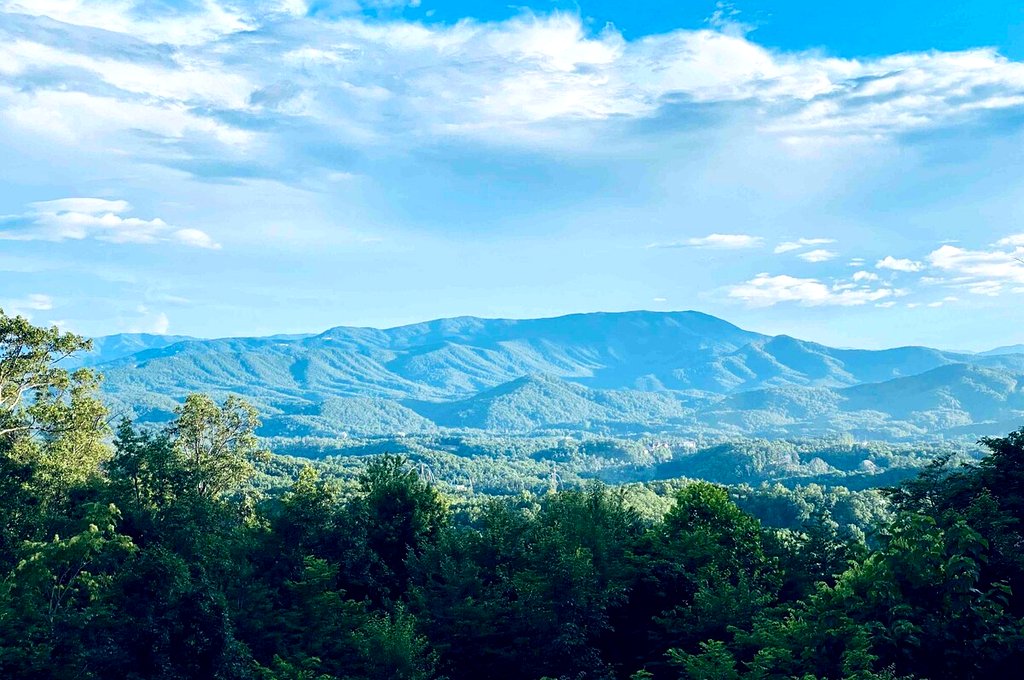 One Private AcreNo neighbors on three sides, 800 forest acres around you.
Which town is closer to the Great Smoky Mountains National Park?
Gatlinburg, clearly. The park entrance sits at the edge of town and the Sugarlands Visitor Center is a short drive from the strip. From Pigeon Forge you are adding roughly twenty to thirty minutes to reach the same point, which is a fine trade if park hiking is one day of your trip rather than all of it. The Spur, the scenic stretch of highway connecting the two towns, makes the drive genuinely pleasant.
Is a cabin cheaper than a hotel in Pigeon Forge?
For groups of four or more, a cabin usually wins on total cost because you are replacing multiple hotel rooms with one booking and replacing some restaurant meals with a kitchen. For a solo traveler or a couple staying one or two nights, a hotel can be cheaper, though most quality cabins carry multi-night minimums anyway. Our breakdown of Smoky Mountain cabin costs compares the two side by side.
What is the cheapest time of year to visit either town?
Mid-January through February, followed by the first couple of weeks in December before the holiday rush and the quiet stretch in early November after leaf season breaks. Rates soften, restaurants are easy, and the mountains look different in a way most summer visitors never see. Winter weather can close high-elevation roads, so check conditions before planning a Newfound Gap drive.
The Verdict From Someone Who Lives Here
Which is cheaper to stay at Pigeon Forge or Gatlinburg comes down to how you travel. Pigeon Forge is cheaper for families, for longer stays, for anyone building a trip around Dollywood, and for anyone who plans to cook. Gatlinburg earns its premium for couples who want to park once and walk everywhere, and for hikers who want the park trailhead in the rearview mirror by sunrise.
What I would not do is decide on nightly rate alone. The cheapest listing on a search page is frequently the one that costs you the most in parking, fuel, cramped bathrooms, and a driveway you dread. The quietest, most sensible money in this valley tends to be a right-sized cabin close to what you came to do.
If you want a quiet acre, two bedrooms, two bathrooms, room for six, and Dollywood four minutes away without Gatlinburg parking charges eating your budget, lock in your dates before the next season fills.
Start Planning Your Trip