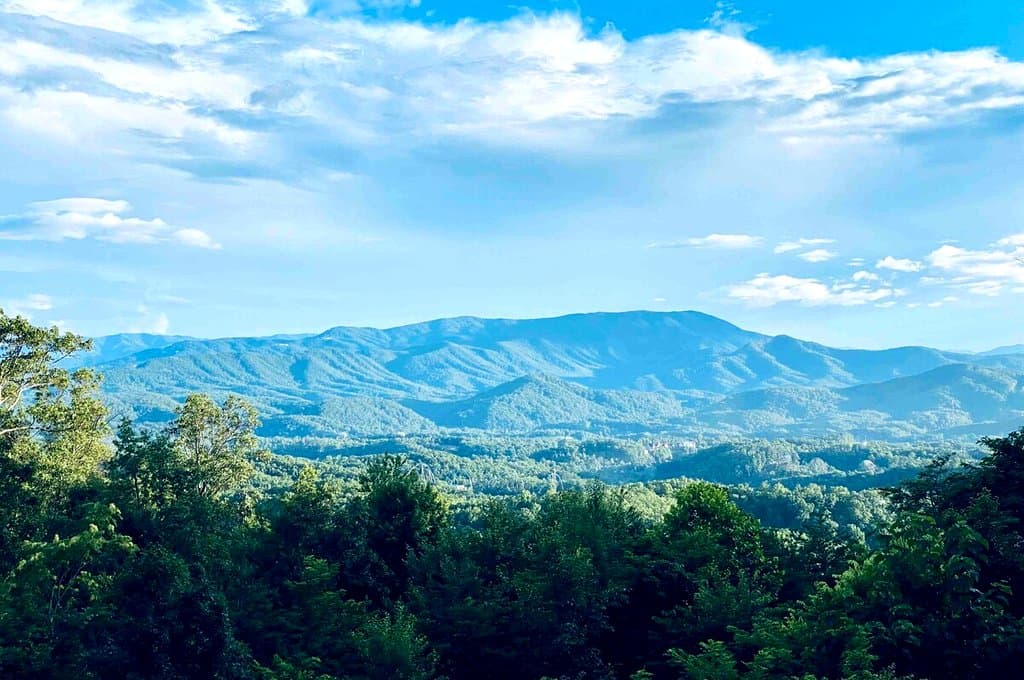


 Thistle Britches
Pull onto the Spur late on a Friday evening and you can see the trade-off in real time. To your left, the Gatlinburg skyline glitters in a tight little valley, shops stacked shoulder to shoulder, parking decks already flashing FULL. To your right, the Pigeon Forge Parkway stretches wide and loud with neon, pancake houses, and side roads that climb into the dark hills above Dollywood. Same mountains. Same river. Two very different bills at checkout.
So, is it cheaper to stay in Gatlinburg or Pigeon Forge? After years of helping visiting friends, family, and cabin guests price out trips on both sides of the Spur, the short answer is: Pigeon Forge usually wins on total spend, but only if you know where the hidden fees live. The longer answer is what this guide is for. We will get into nightly rates, parking, food, taxes, and the little line items that quietly add a couple hundred dollars to a Gatlinburg weekend.
Key Takeaways
- Pigeon Forge typically posts lower nightly rates on cabins and mid-tier hotels than downtown Gatlinburg.
- Gatlinburg charges for parking almost everywhere. Pigeon Forge mostly does not.
- Cabins above Dollywood (Sevierville side) often beat both towns on per-person cost for groups of four or more.
- Food costs run roughly even, but a stocked cabin kitchen is the biggest single money-saver either way.
- Taxes and resort fees in Gatlinburg downtown properties can add a noticeable bump to your final total.
Nightly Rates: Where Pigeon Forge Quietly Wins
Gatlinburg is a small town squeezed into a narrow river valley, which is part of its charm and most of its pricing problem. There is simply less land to build on, so hotels, motels, and downtown condos command a premium for being walkable to the Parkway. Pigeon Forge spreads out for miles, which means more inventory, more competition, and softer pricing on comparable rooms.
For a basic two-queen hotel room in peak season, Gatlinburg downtown properties usually sit a noticeable step above similar Pigeon Forge options. Once you cross into cabin territory, the gap widens. A two-bedroom cabin in the hills above Pigeon Forge or Sevierville will typically run well below a comparable downtown Gatlinburg condo with a balcony view of a parking deck.
One detail most first-time visitors miss: the Sevierville side, especially the ridges above Dollywood near Parrot Mountain, is technically outside Pigeon Forge city limits but feels like the same trip. Cabins up there often price lower than identical properties marketed as "Gatlinburg cabins," even when they are minutes apart on the map. If you are deciding between towns, that strip of mountain is worth a serious look. A cabin near Dollywood can put you closer to the fireworks than most downtown rooms while costing less per night.
Parking, Taxes, and the Fees Nobody Quotes Up Front
This is where Gatlinburg gets expensive in ways the booking site does not warn you about. Downtown Gatlinburg has limited free parking, period. Most lots and decks charge by the hour or by the day, and during peak season those rates climb quickly. If your hotel is right on the Parkway, you may pay a daily parking fee on top of your room rate. A weekend stay can easily add a meaningful chunk to your bill before you have bought a single funnel cake.
Pigeon Forge runs the free trolley along the Parkway and most attractions, hotels, and cabins include parking at no charge. You can park once at your cabin, ride the trolley to Dollywood or the Island, and never feed a meter. That alone is worth real money on a four-night trip.
Lodging taxes are another quiet line item. Both towns sit in Sevier County, so the base hotel/occupancy tax structure is similar, but city-level add-ons mean the final taxed total on a Gatlinburg property tends to land slightly higher than a comparable Pigeon Forge or Sevierville booking. You can verify current rates through the Tennessee Department of Revenue if you want to see the breakdown before you book. The differences are small per night and large by checkout.
Food, Groceries, and the Cabin Kitchen Math
Restaurant prices in Gatlinburg and Pigeon Forge are roughly comparable. The pancake houses, steakhouses, and barbecue spots that anchor both Parkways tend to charge within a dollar or two of each other for the same plate. Gatlinburg restaurants on the main strip can run a touch higher because of foot traffic and rent, but it is not a dramatic gap.
The real food savings come from where you stay, not which town. A hotel room with a mini fridge and a coffee maker locks you into eating out every meal. A cabin with a full kitchen, even one you use halfway, can shave hundreds off a week-long trip. Eggs, bacon, and coffee at home before a Dollywood day. Burgers on the deck grill instead of a sit-down dinner. One real grocery run at the Kroger on Dolly Parton Parkway covers more meals than people expect.
If you do want to eat out smart, the breakfast scene around Pigeon Forge is where locals actually spend their money. There is a short list of breakfast spots locals hit weekly that beat the tourist pancake palaces on both price and quality. Lunch and dinner you can mix in town or back at the cabin, depending on the day.
Want a cabin with a real kitchen, a grill on the deck, and a free parking pad ten minutes from the Parkway? That is exactly the setup that makes Pigeon Forge cheaper than Gatlinburg on paper and in practice.
Book Your Stay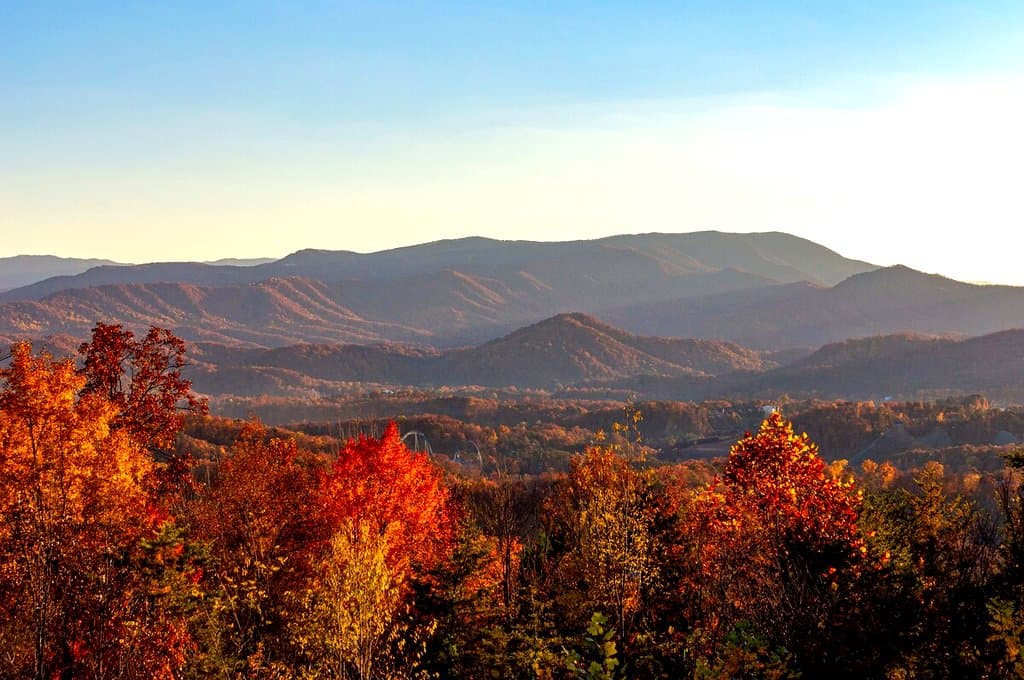
The Pain Point: Booking a "Cheap" Room That Costs More by Checkout
The most expensive mistake first-time visitors make is chasing the lowest nightly rate without checking what it does not include. A budget motel on the Gatlinburg strip might post an attractive headline price, then add a parking fee, a resort fee, a higher tax rate, and a per-person amenity charge. By the time you actually pay, the "cheap" room is more expensive than a cabin that sleeps your whole group.
The other half of this trap is per-person math. A motel room that holds four people forces a second room for a family of five or a small friend group. Two rooms at a mid-tier rate almost always cost more than one cabin that comfortably hosts the same crew. Cabins also tend to include the things hotels charge extra for: hot tubs, fire pits, full kitchens, washer and dryer, and yes, free parking right outside the front door.
There is also a comfort tax most people do not factor in. Gatlinburg downtown is loud, busy, and bright until late. If you are paying premium downtown rates to then drive somewhere quiet during the day, you are paying twice. Cabins above the Parkway give you the quiet by default. The Parkway is still ten or fifteen minutes away when you want it.
If you are deciding between towns purely on price, run the total, not the nightly rate. Parking, taxes, food, and how many rooms you actually need are where the real difference lives.
So, Is It Cheaper to Stay in Gatlinburg or Pigeon Forge?
For most travelers, Pigeon Forge comes out cheaper, and the cabins on the Sevierville ridges above Dollywood often beat both towns on per-person value. You get more square footage, free parking, lower taxes on average, and access to a kitchen that quietly pays for itself by day three.
Gatlinburg can still be the right answer for a specific kind of trip. A solo traveler or a couple who wants to walk everywhere, eat every meal out, and skip the rental car experience may find the convenience worth the premium. For families, groups of friends, pet parents, or anyone planning to spend serious time at Dollywood, Pigeon Forge wins on math almost every time.
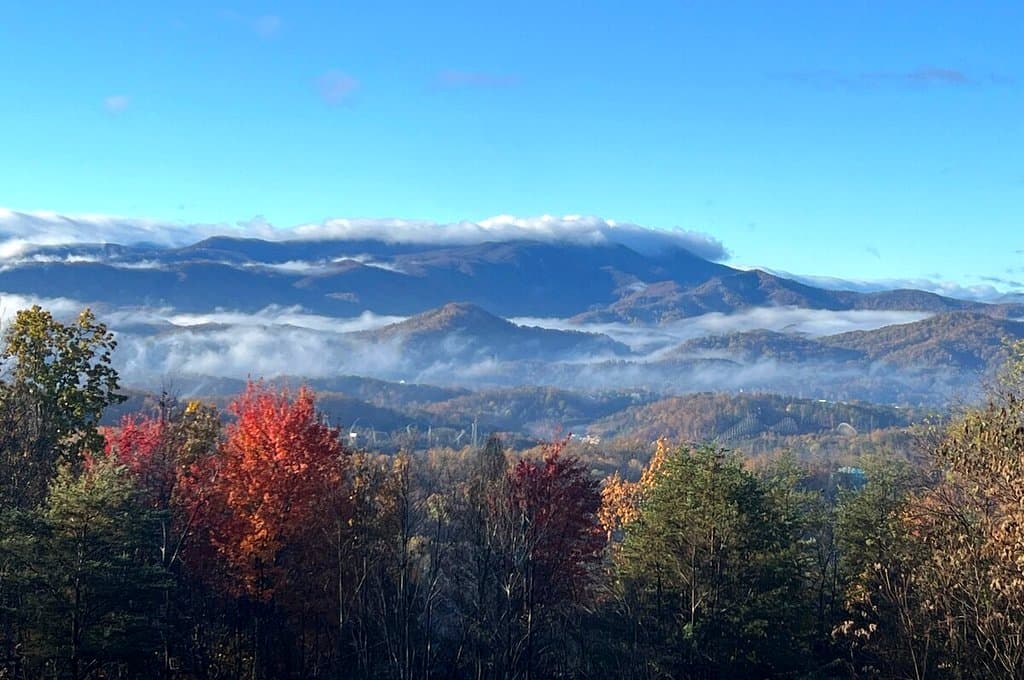
The other variable is what you want to wake up to. Downtown Gatlinburg wakes up to traffic and pancake-house parking lots. A cabin in the hills wakes up to fog burning off the ridges and, if you picked the right one, a clear sightline toward Dollywood for the nightly fireworks and drone show. That is not a budget category, but it is the thing guests remember.
Frequently Asked Questions
Is Pigeon Forge or Gatlinburg better for families on a budget?
Pigeon Forge, in most cases. The cabin inventory is larger, parking is generally free, and the free trolley lets families park once and ride to Dollywood, the Island, and the Parkway shops without paying for a deck. Gatlinburg is more walkable if you stay downtown, but the cost of that walkability shows up in your final bill.
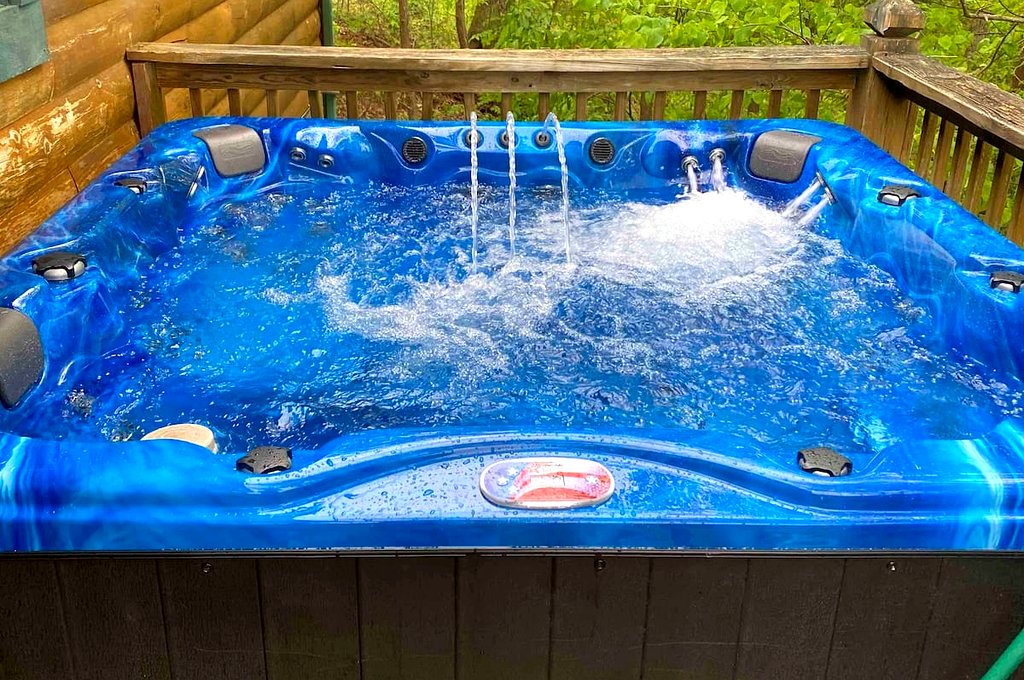 56-Jet Luxury SpaBluetooth, subwoofer, LED waterfall.
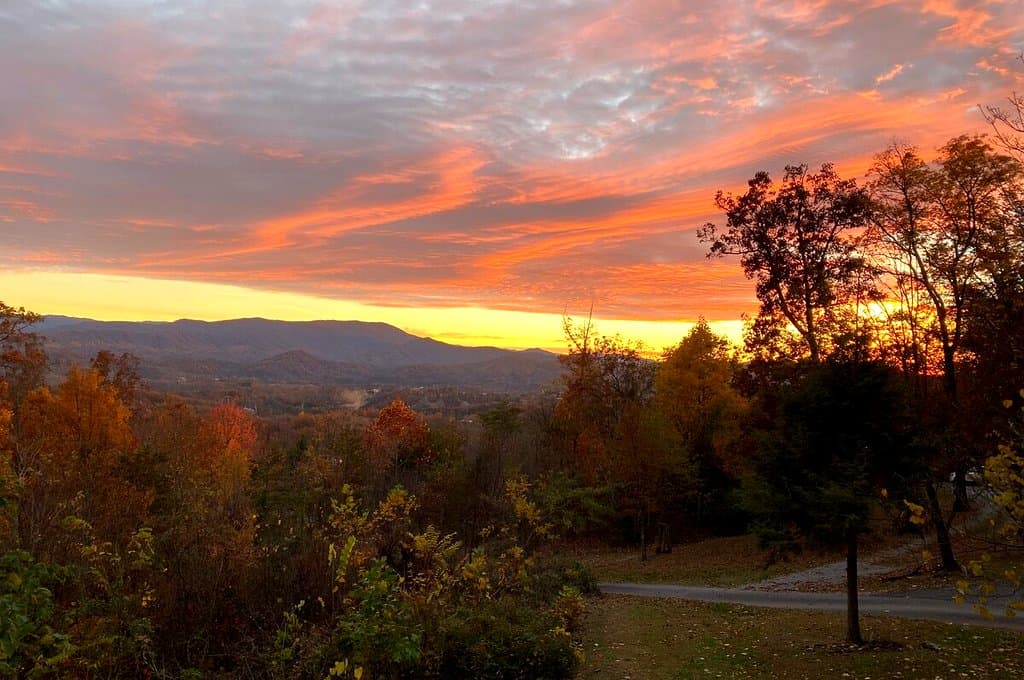
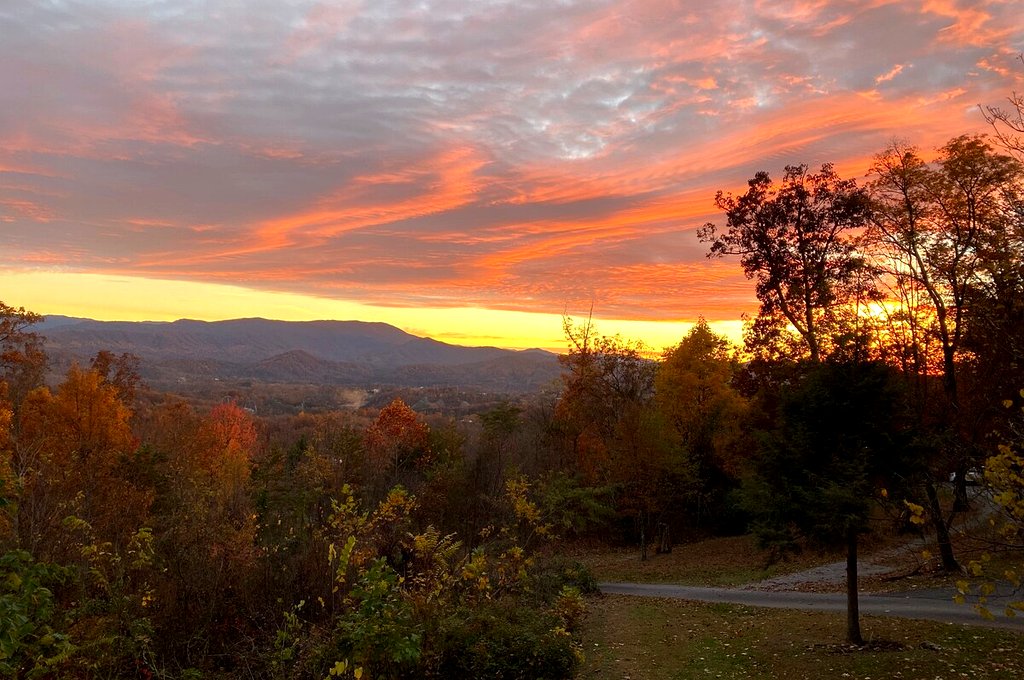 Mountain-View EveningsWatch the evening light change over the mountain ridges.
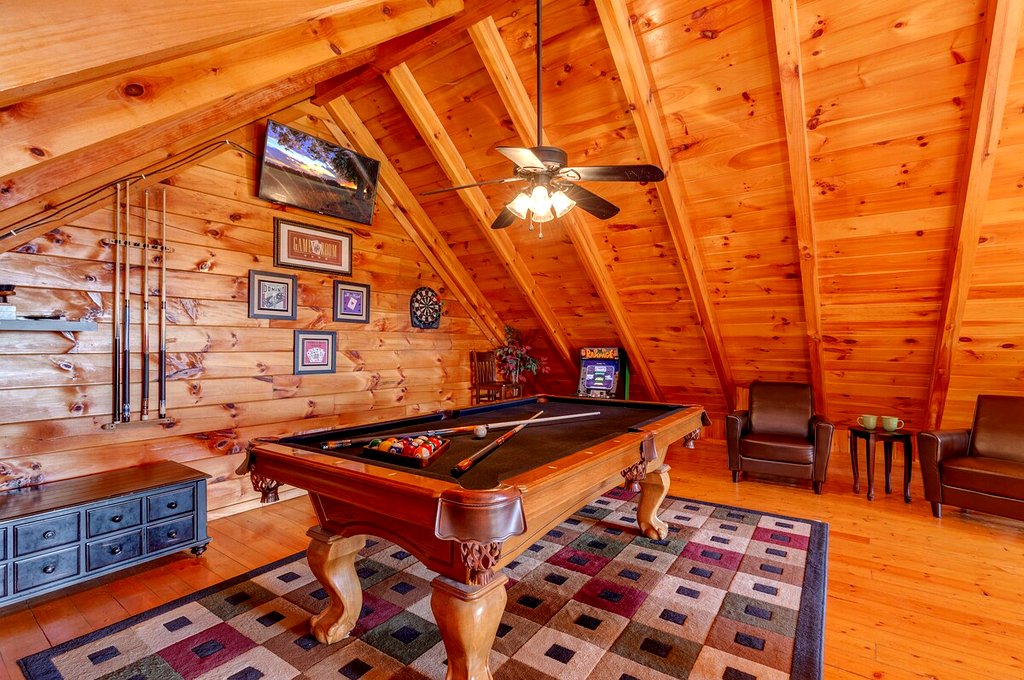 Game RoomPool table, arcade, darts, Xbox.
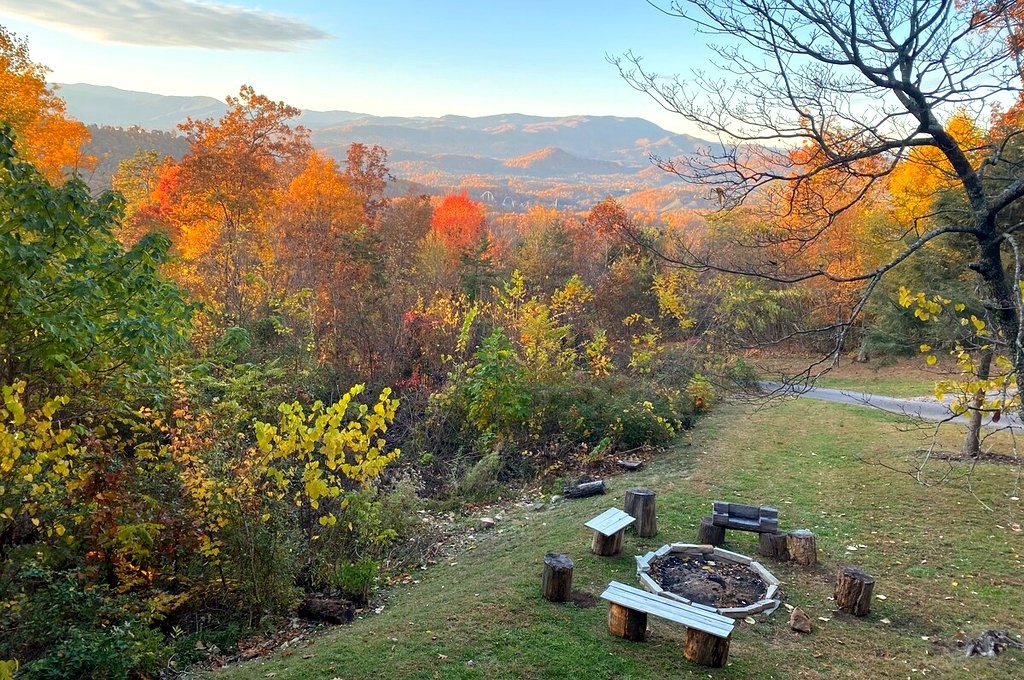 Mountain-View Fire PitS'mores with a ridgeline backdrop.
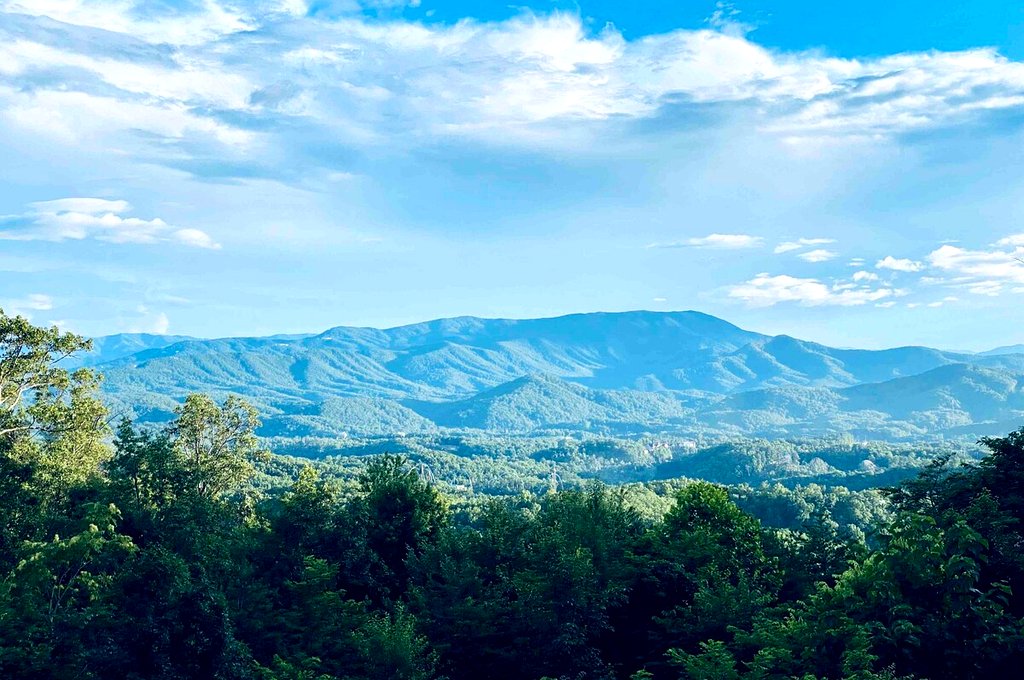 One Private AcreNo neighbors on three sides, 800 forest acres around you.
Are cabins really cheaper than hotels in this area?
For two or more people staying multiple nights, almost always yes. A cabin spreads the nightly rate across a larger group, includes a kitchen that cuts restaurant spend, and bundles amenities like hot tubs and fire pits that hotels charge extra for. A solo overnight is the one scenario where a basic motel may still win.
How far apart are Gatlinburg and Pigeon Forge?
About seven miles along the Parkway, or roughly fifteen to twenty minutes in normal traffic. In peak season, weekend evenings can stretch that to thirty or forty minutes. The Spur, which is the four-lane road connecting them through the national park, is one of the prettier drives in the region. You can read more about the area on the Pigeon Forge Wikipedia entry if you want context on how the towns developed differently.
Where is the cheapest place to stay near the Smoky Mountains?
Sevierville, particularly the ridges above Dollywood, tends to offer the best cabin value in the region. You are minutes from the Pigeon Forge Parkway, fifteen to twenty minutes from Gatlinburg, and close to the Sugarlands entrance of the national park, but you pay less than properties marketed under either of the bigger town names.
Does staying in Pigeon Forge mean missing out on Gatlinburg?
Not at all. Most visitors split time between the two anyway. From a Pigeon Forge or Sevierville base, Gatlinburg is a short drive for an evening of moonshine tasting, Anakeesta, or a walk along the river. You get Gatlinburg as a day trip without paying Gatlinburg lodging rates. The 48-hour weekend itinerary our guests follow includes a Gatlinburg evening for exactly this reason.
If you want the lower price tag of Pigeon Forge, the quiet of a secluded acre, and a front-row deck for the Dollywood fireworks, lock in your dates before the calendar fills up.
Start Planning Your Trip