
 Thistle Britches
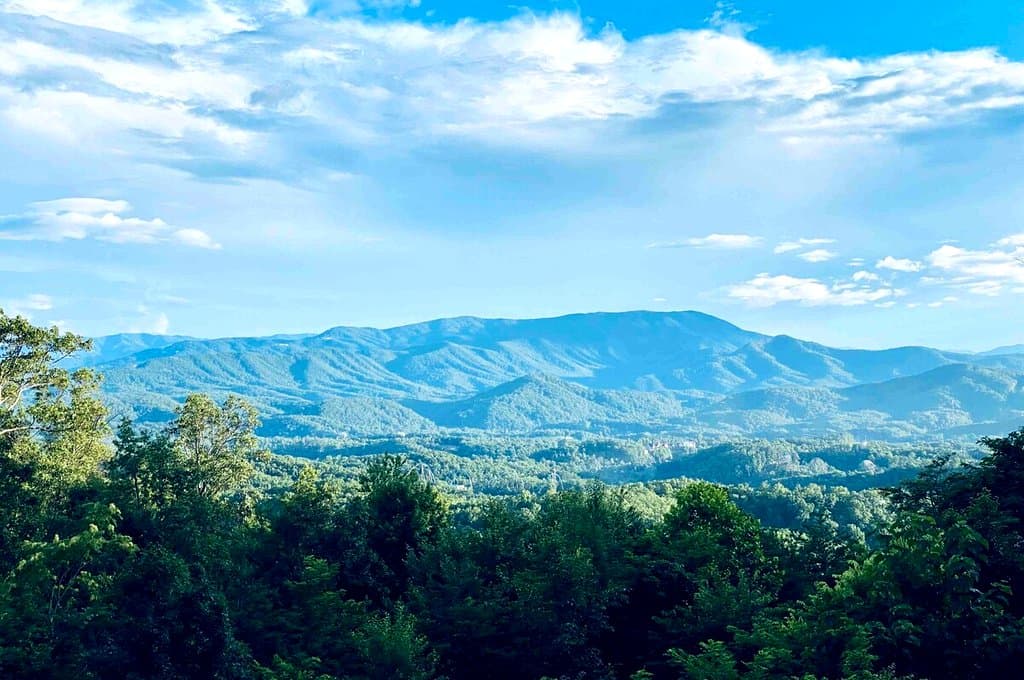
The best morning I had last fall started at 5:47 a.m. with a thermos of coffee, a fleece I forgot to wash, and a back-road drive up the Foothills Parkway while the valley below was still under a quilt of fog. By the time the sun cracked the ridge near Look Rock, I had the overlook to myself. No tour buses. No drone whining overhead. Just the kind of slow, blue light that makes you understand why people move here and never quite leave.
So when guests ask me what are some hidden gems in Tennessee, I do not point them at the Parkway in Pigeon Forge or the pancake houses with the neon signs. Those are fine. They are not hidden. The real answers are the quiet pullouts, the family bakeries, the trailheads with five parking spots, and the small towns that locals quietly hope stay small. I have lived above Dollywood long enough to have a list, and I am going to hand it over.
Key Takeaways
- Tennessee's best hidden gems sit on the edges of the famous places, not inside them.
- Sunrise at the Foothills Parkway, Greenbrier swimming holes, and Cosby trailheads beat the Parkway crowds.
- Back-road bakeries and meat-and-threes in Sevier and Cocke counties out-cook every chain in town.
- Bring layers, cash for honor-system farm stands, and a real map. Cell service drops fast.
- Pick a private base cabin so the quiet you find on the trail follows you home at night.
The Overlooks Most Visitors Drive Right Past
Everyone knows Clingmans Dome. Fewer people know that the Foothills Parkway west section, between Walland and Chilhowee, gives you the same scale of view with a quarter of the cars. Pull off at Look Rock just before sunrise. The valley fills with fog and the ridges float on top like islands. Bring a jacket even in July. The wind up there does not care what the calendar says.
On the east side of the park, the overlook at the top of Newfound Gap Road gets the postcard traffic. The smarter move is the small pullout at Webb Overlook a mile or two below it. Same horizon, almost no people. If you are willing to walk five minutes, the spur trail at Morton Overlook catches a better sunset than anywhere within a tank of gas.
Closer to home, the back road up to Bluff Mountain in Sevierville climbs above the lights of the valley and gives you a clean line of sight to the ridges. It is not signed as a viewpoint. You just keep driving until the trees open up. Locals know. Now you do too.
The Quiet Side of the Smokies
The Sugarlands entrance to Great Smoky Mountains National Park is fifteen minutes from the cabin, and most days I send guests there for the visitor center and then point them somewhere quieter for the actual hiking. The Greenbrier section, just past Gatlinburg off Highway 321, is the answer most people are looking for and do not know to ask about.
Greenbrier is a gravel road that follows the Little Pigeon River through a narrow valley of mossy boulders, swimming holes, and old homesite chimneys swallowed by the woods. Porters Creek Trail at the end of the road is gentle for the first mile, with a hand-built footbridge and a spring wildflower bloom that brings botanists out of hibernation. For a deeper dive into trail picks by season, our list of spring wildflower hikes from a cabin guest's shortlist covers what is actually worth your morning.
Cosby, on the far northeast edge of the park, is another quiet door. The Hen Wallow Falls hike out of the Cosby picnic area is about four miles round trip and feels like a different park entirely. Cooler air, deeper forest, almost no one. If you have a long weekend and want the Smokies without the souvenir shops, base yourself near Sevierville and drive out toward Cosby in the morning.
The Back-Road Food Nobody Tells You About
Tennessee hidden gems are not all geographic. The food scene in Sevier and Cocke counties hides some serious cooking behind unmarked doors and gravel parking lots. Skip the chain steakhouses on the Parkway and drive ten minutes off the main road instead.
For breakfast, the small family bakeries along the back routes between Sevierville and Cosby do apple fritters the size of a dinner plate and biscuits that come with actual gravy, not gravy-flavored paste. Ask at any feed store or gas station and they will point you. Locals do not put these places on social media on purpose.
For dinner, look for meat-and-threes outside the tourist corridor. A meat-and-three is a Southern lunch counter format: pick a protein, pick three vegetables, get cornbread and sweet tea. The vegetables are the test. If the green beans taste like ham and the squash casserole has a crust on top, you found the right place. If you want more sit-down dinner picks that hold up after a long hike, our guy's trip guide to trails and steaks has the short list I send to friends.
The Small Towns Worth the Detour
Townsend, on the quiet side of the park, calls itself the peaceful side of the Smokies and earns it. The drive over is about an hour from Sevierville, longer if you stop. The Little River runs alongside the road, and in summer locals tube the slower stretches with old inner tubes and coolers strapped to their feet. The Heritage Center has a small museum that is genuinely good, not the obligatory tourist kind.
Greeneville, an hour north, has a downtown that looks like a movie set and a presidential historic site for Andrew Johnson that almost nobody under sixty visits. Worth a half day. Bristol, further northeast on the Virginia line, is the official Birthplace of Country Music with a museum to match. Most Pigeon Forge visitors never make the drive. The ones who do come back talking about it.
For a closer detour, the Great Smoky Arts and Crafts Community loop east of Gatlinburg is an eight-mile route past actual working studios. Glassblowers, basket weavers, leather workers, painters. No mall kiosks. Pick a Saturday morning, take your time, and bring cash for the smaller studios that do not run a card reader.
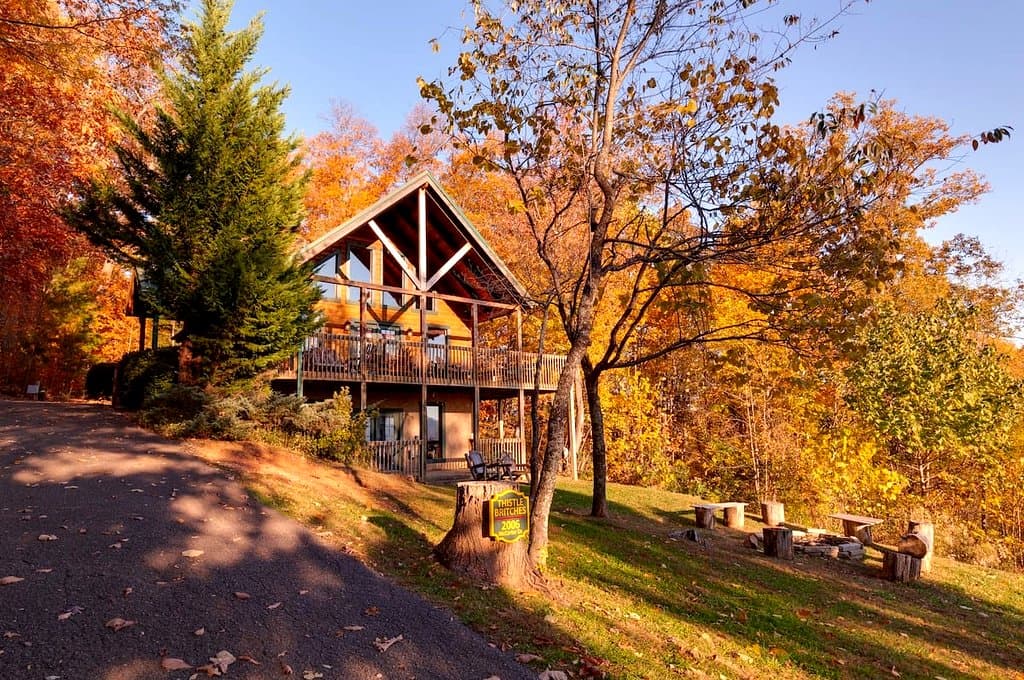
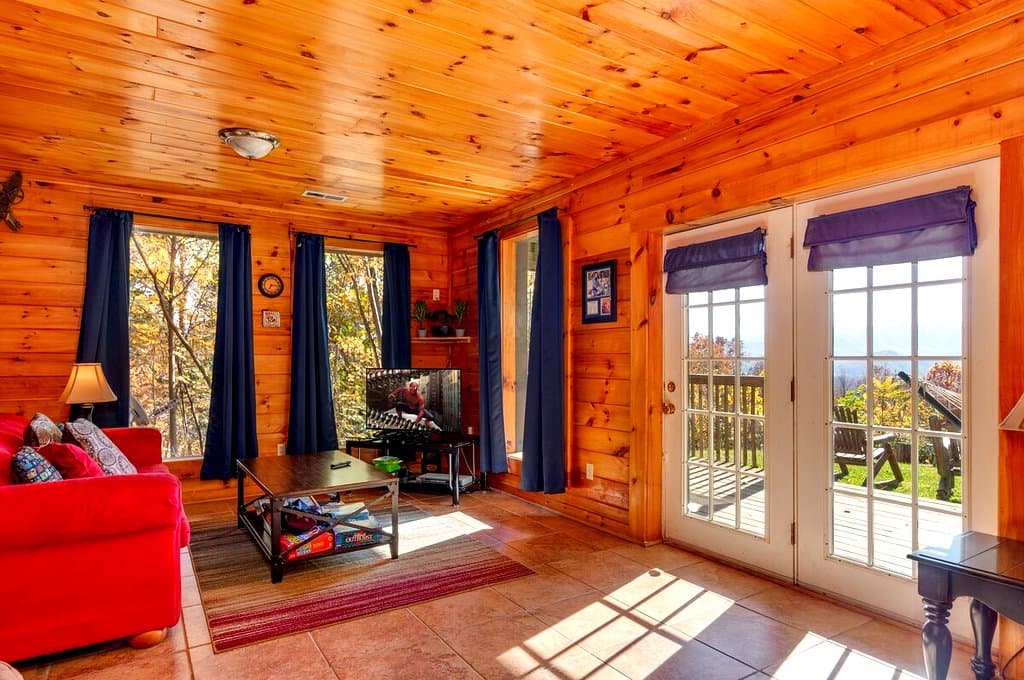
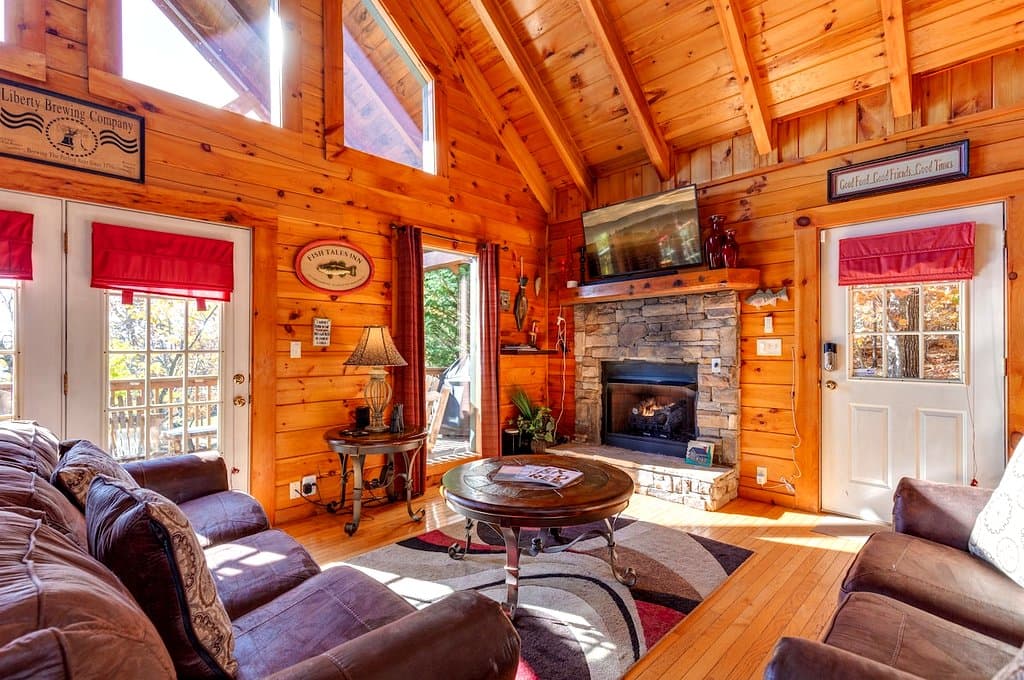
Want a quiet base camp that puts all of these gems within an easy morning drive? The cabin sits on a private acre above Dollywood, with a wraparound deck for the after-hike wind-down.
Book Your StayThe Cabin Mistake That Ruins a Quiet Tennessee Trip
Here is the pain point I see over and over. People come to Tennessee chasing quiet, then book a cabin in a hillside subdivision where their neighbor's hot tub is six feet from theirs and the road in is bumper to bumper at check-in. They spend the day finding hidden gems, then come back to a rental that feels like a hotel hallway with logs glued to it.
If quiet is the point, the cabin matters as much as the trails. Look for real separation. Acreage, not just a wooded lot. A driveway that ends at your place, not a shared loop. Reviews that specifically mention privacy, not just views. Three of the most common compliments I get from guests are about how secluded the place feels even though it is five minutes from the Parkway. That gap, between the marketing photo and the reality on the ground, is what wrecks most first trips.
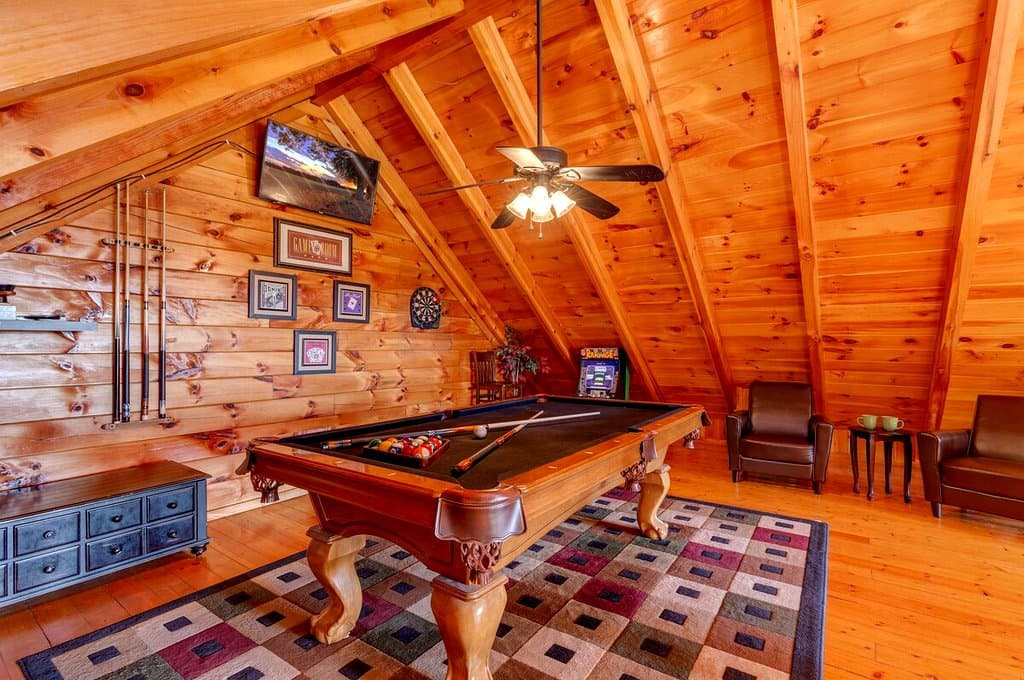
The same logic applies to weather. Fog and rain happen in the Smokies. A lot. If the cabin has nothing to do indoors and you brought kids, the day collapses fast. A real game room with a pool table or arcade, a stocked kitchen, fast enough WiFi to actually stream something, those are not luxuries. They are the difference between a saved day and a salvage operation. Our breakdown of a rainy day plan starting at the cabin walks through exactly that.
Practical Logistics for Finding the Quiet
A few things to know before you chase any of this. Cell service drops hard once you leave the main valleys. Download offline maps before you go. Gas up in town. Bring cash for honor-system farm stands and the smaller bakeries. Layer up year-round because the ridges run ten to fifteen degrees cooler than Sevierville.
If you are coming during peak fall color or peak wildflower bloom, leave the cabin earlier than feels reasonable. The good pullouts and trailheads fill by 8 a.m. on weekends. A 6 a.m. start gets you sunrise light, an empty trail, and breakfast on the way back when the late risers are just buying their first coffee.
What are the best hidden gems in Tennessee for first-time visitors?
Start with Greenbrier and the Foothills Parkway. Both are easy drives from the Sevierville and Pigeon Forge area and give you the scale and quiet that the main Parkway corridor does not. Add a back-road bakery breakfast and you have a morning most visitors never figure out.
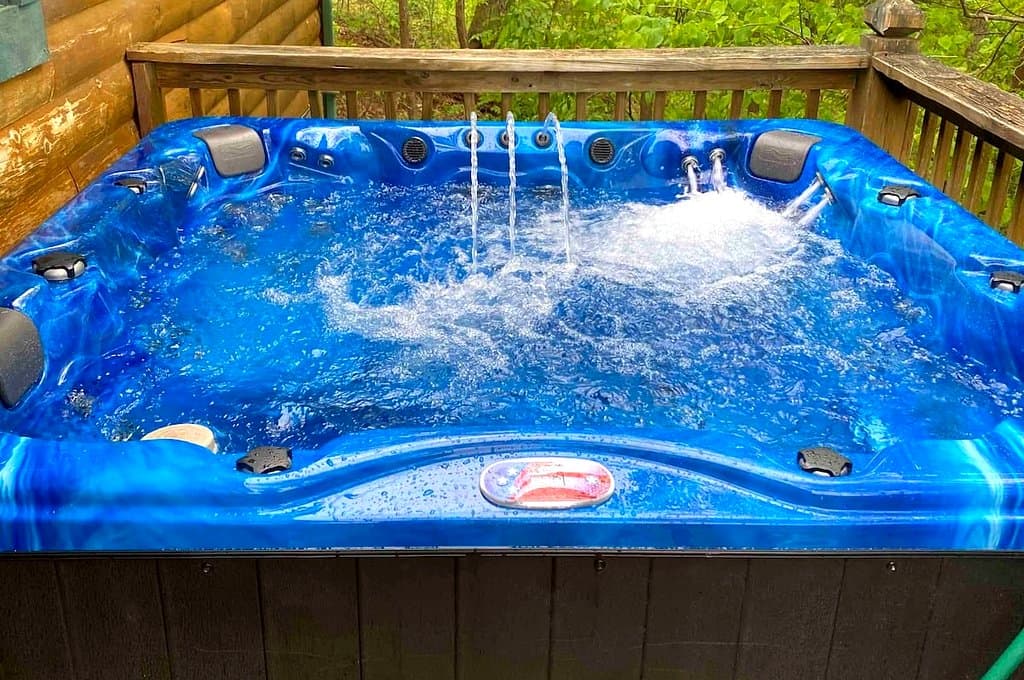
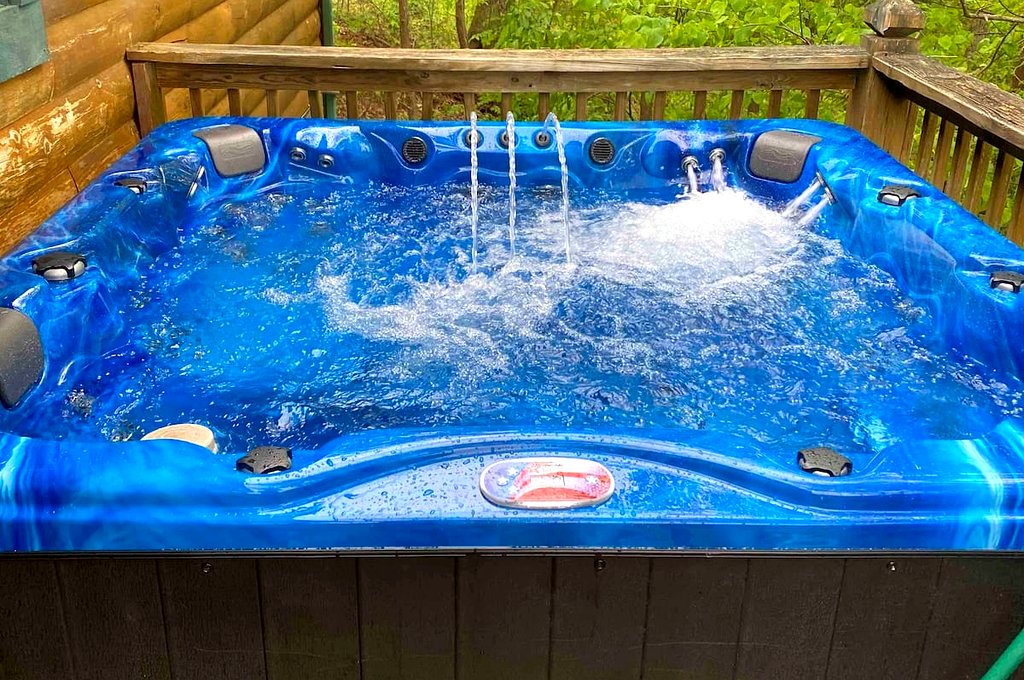 56-Jet Luxury SpaBluetooth, subwoofer, LED waterfall.
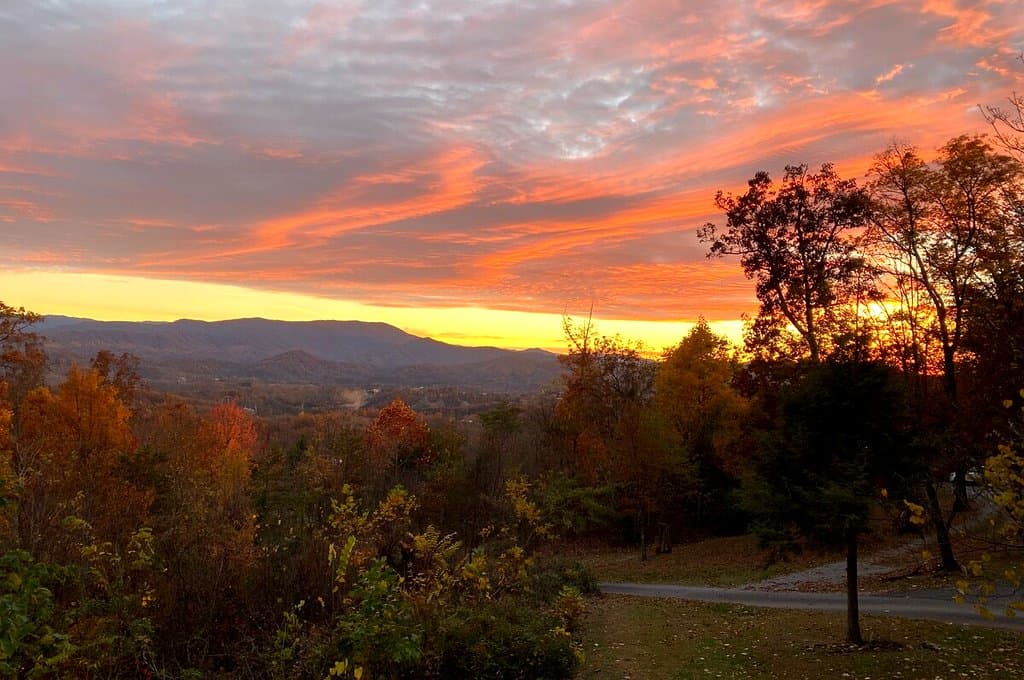
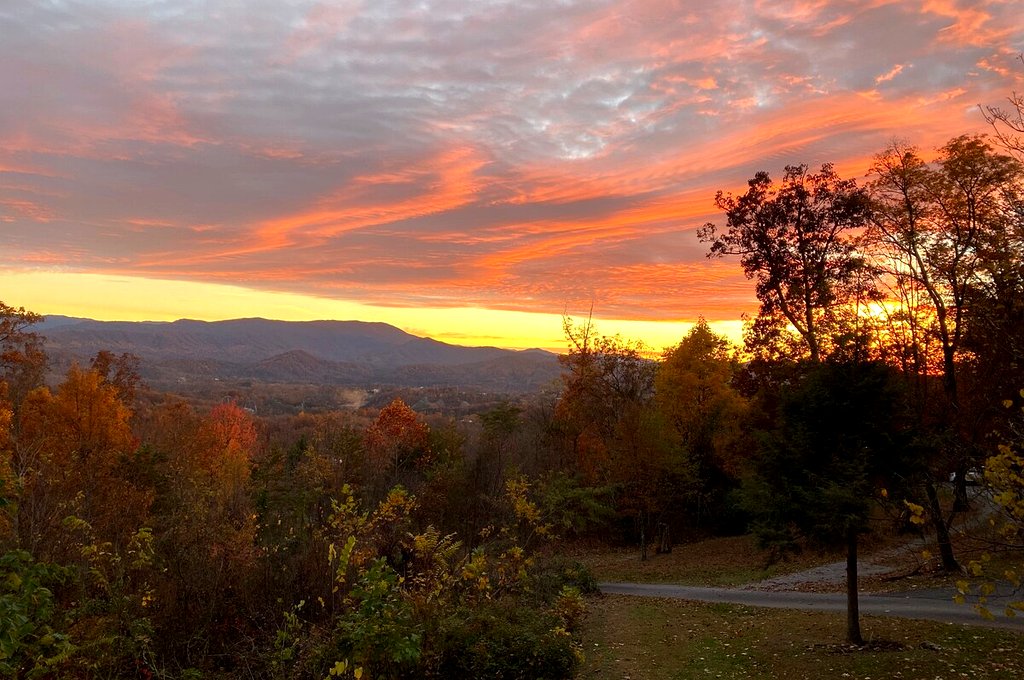 Mountain-View EveningsWatch the evening light change over the mountain ridges.
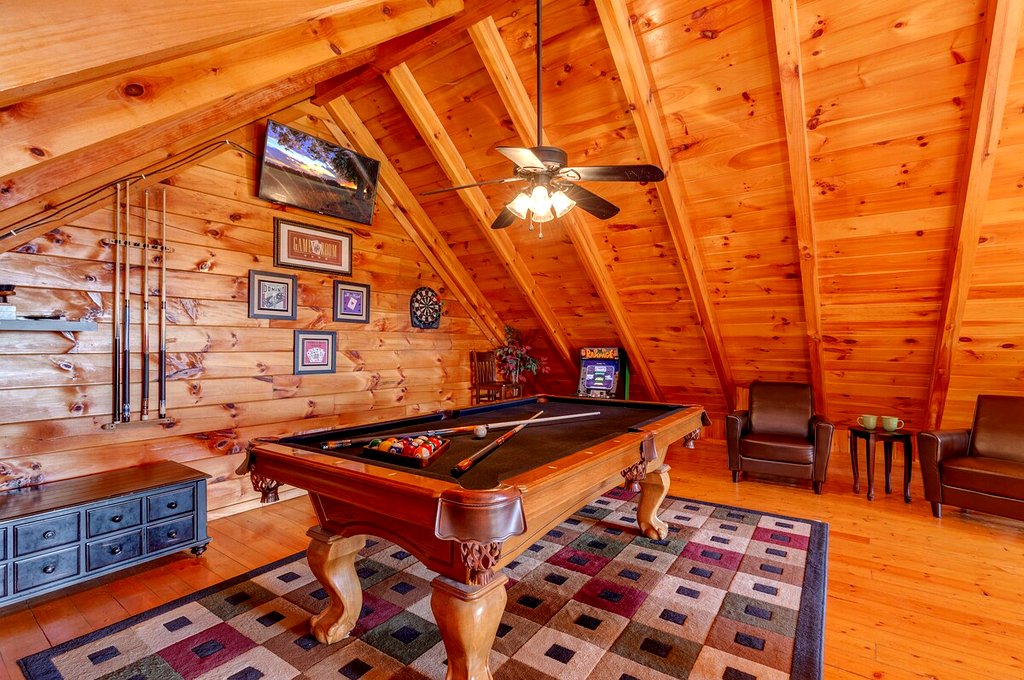 Game RoomPool table, arcade, darts, Xbox.
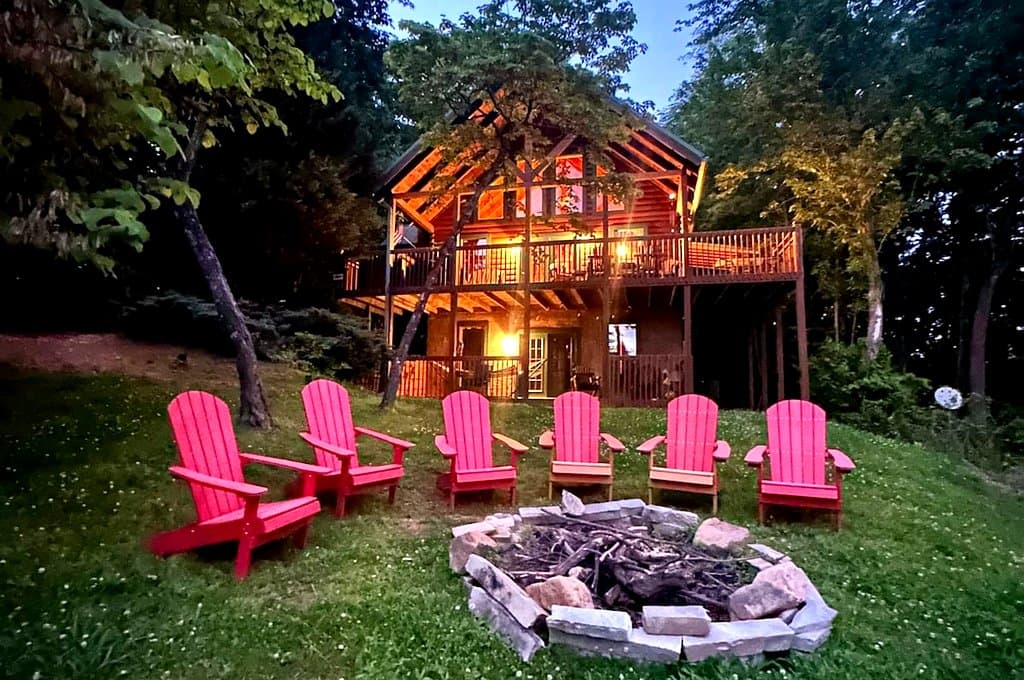
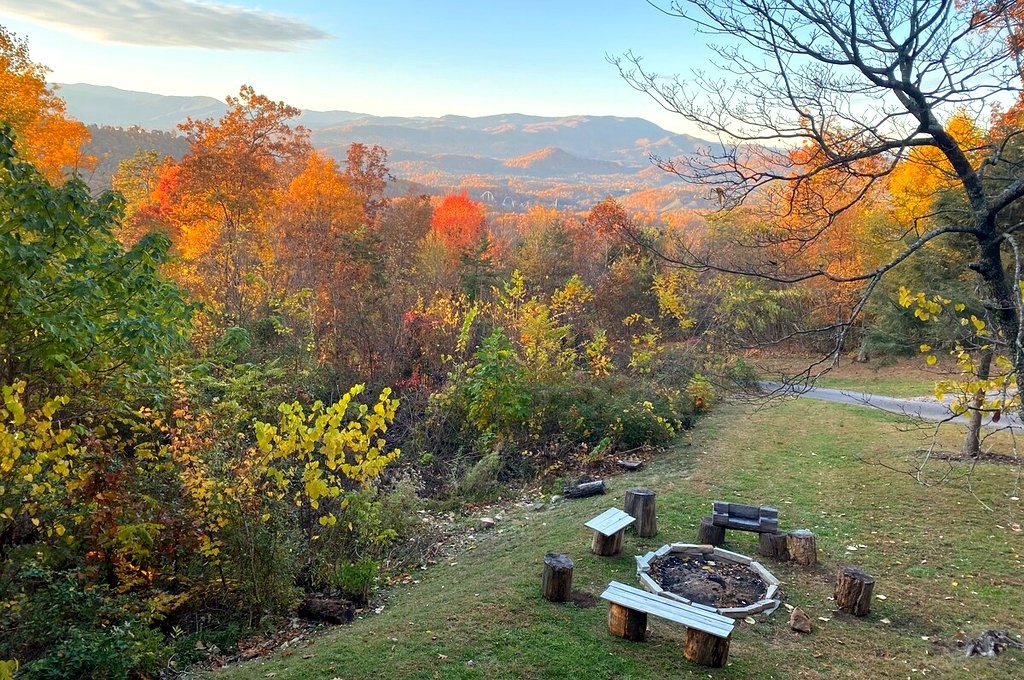 Mountain-View Fire PitS'mores with a ridgeline backdrop.
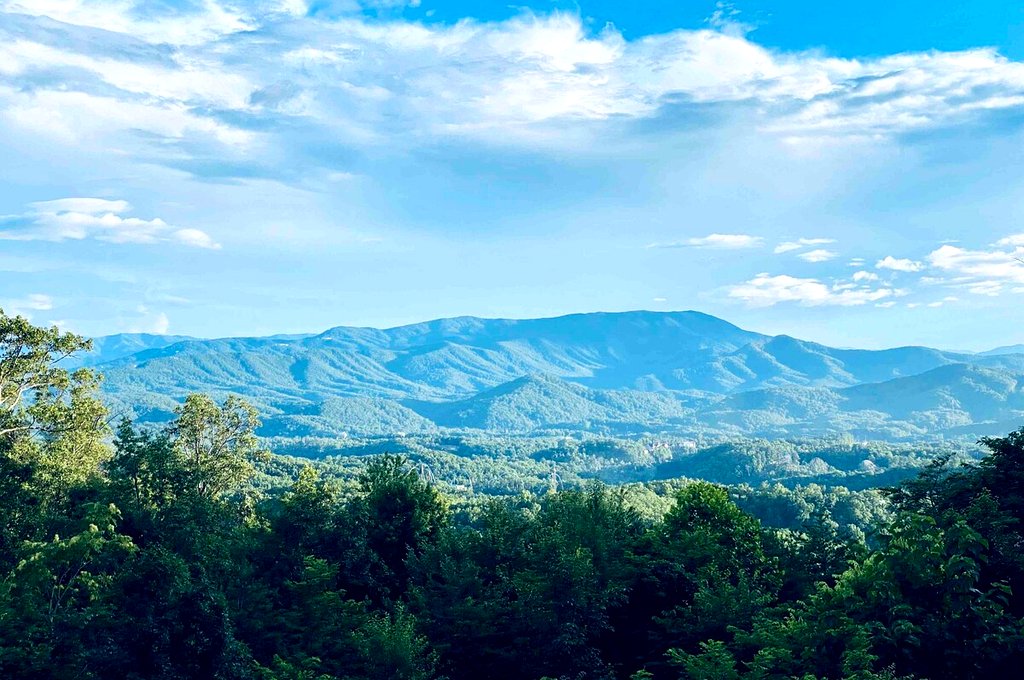 One Private AcreNo neighbors on three sides, 800 forest acres around you.
Are there hidden gems near Pigeon Forge specifically?
Yes. Bluff Mountain back roads, the Arts and Crafts loop east of Gatlinburg, and the Cosby section of the national park are all within an hour. The first-time visitor's guide from a cabin owner has a wider map if you want a structured itinerary.
When is the best time to visit Tennessee hidden gems?
Late April through mid-May for wildflowers, mid-October for color, and the second half of June for fireflies. Summer weekdays are quieter than summer weekends by a wide margin. Winter is underrated. The crowds vanish and the ridges show their bones.
Do I need a four-wheel drive for back roads in Tennessee?
For the gems on this list, no. A regular sedan handles all of them in dry conditions. Snow and ice change the math fast in winter, especially on the parkway and the higher gravel roads, so check the weather and the park road status the morning of.
Where should I stay to reach these hidden gems easily?
The Sevierville side, just above Dollywood, sits roughly equidistant from Greenbrier, Cosby, the Foothills Parkway, and Townsend. A private cabin with a real deck view also gives you somewhere to land at the end of a long day, which matters more than the brochures suggest.
If you want to actually find Tennessee's hidden gems instead of fighting the Parkway crowds, base yourself somewhere private and start early. The cabin sleeps six, sits on a secluded acre above Dollywood, and gives you a front-row deck for the fireworks when you finally come down off the ridge.
Start Planning Your Trip