 Thistle Britches
Drive up Newfound Gap Road on a cool morning in late September and you will see it happen. The sun has not cleared the ridgeline yet, the pullouts are still mostly empty, and a low blue haze is sitting in every fold of the mountains like smoke that forgot to rise. Somebody in the car always says the same thing: "Oh. That's why they call it that." That haze is the honest answer to the question people type into their phones at midnight while planning a trip. So, what is the main attraction of the Smoky Mountains? It is not a single ride, a single overlook, or a single ticket. It is the mountains themselves, the oldest range in this part of the world, and the free national park that protects them.
That said, nobody plans a vacation around a vague feeling. You need places, drive times, and a sense of what is worth your Saturday. After years of pointing guests down the right roads from a cabin a few minutes off the Parkway, here is the real breakdown of what draws people here, what delivers, and what quietly disappoints.
Key Takeaways
- The main attraction of the Smoky Mountains is Great Smoky Mountains National Park itself, the most visited national park in the United States, and it has no entrance fee.
- Inside the park, Cades Cove is the single most popular destination, followed by Newfound Gap Road and Clingmans Dome (Kuwohi).
- Outside the park, Dollywood is the number one paid attraction in Pigeon Forge and the reason many families come at all.
- The biggest trip-killer is traffic and parking, not a lack of things to do. Early departures solve most of it.
- Where you sleep decides how much park time you actually get. Minutes matter more than amenities on a short trip.
The Park Is the Answer: Why the Smokies Pull More Visitors Than Any Other National Park
Great Smoky Mountains National Park straddles the Tennessee and North Carolina line and consistently records more recreation visits than any other national park in the country. Part of that is geography, since a huge share of the eastern United States lives within a day's drive. Part of it is that there is no entrance gate taking your money on the way in, which is unusual among the big-name parks. You can confirm the visitation ranking and the fee policy directly on the National Park Service site for the park.
What makes it special is biological, not just scenic. The range is old, the elevation swing is dramatic, and rainfall is heavy at the higher reaches, which creates something closer to a temperate rainforest up top and southern hardwood forest down low. Scientists often describe the park as one of the most biodiverse protected areas in the temperate world, with thousands of documented species and more still being cataloged. Salamanders alone make this place a destination for researchers. You do not need to care about salamanders to feel the result: the forest here is thick, layered, and loud with water.
The haze that gives the Smokies their name comes from volatile organic compounds released by the dense plant life, which scatter blue light. That is the short version of a long explanation on the Great Smoky Mountains overview page. Locals just call it the blue. On the right morning, from a south-facing deck with coffee in hand, you can watch it burn off ridge by ridge.
So when someone asks what is the main attraction of the Smoky Mountains, the accurate answer is the park and the landscape it protects. Everything else, the rides, the shows, the pancake houses, grew up around that gravity.
Inside the Park: Cades Cove, Newfound Gap, and Kuwohi
If you only have time for one place inside the park, most locals will send you to Cades Cove. It is a broad valley ringed by mountains with an eleven mile one-way loop road running through old homesteads, three historic churches, and a working grist mill. Wildlife viewing is the draw. Deer and wild turkey are routine, and black bear sightings are common enough in warm months that the loop regularly jams up when someone spots one in a field.
The catch is timing. From Pigeon Forge, the drive out through Townsend runs roughly an hour before you even reach the loop entrance, and the loop itself can take anywhere from an hour to three depending on traffic. Leave at sunrise, not after breakfast. On certain seasonal dates the loop closes to vehicles for bicycle and pedestrian mornings, which is the best way to experience it if your timing lines up.
Newfound Gap Road is the other heavyweight. It climbs from Gatlinburg to the state line at around 5,046 feet, with pullouts the entire way and a stone overlook at the gap where you can stand with one foot in each state. It is the easiest way to feel the elevation change without hiking. From the gap, a seven mile spur road leads to Kuwohi, formerly named Clingmans Dome, the highest point in the park at 6,643 feet. The observation tower at the top gives a genuine 360 degree view on clear days, though clouds win often enough that you should check conditions first.
Beyond the big three, the waterfall hikes carry a lot of weight. Laurel Falls is paved and short, which makes it popular to the point of crowding. Grotto Falls lets you walk behind the water. Abrams Falls, off the Cades Cove loop, is a longer out and back with real payoff. I break down the full ranking with parking advice in our guide to the top things to do in the national park.
What Is the Number One Attraction in Pigeon Forge, Tennessee?
Dollywood. There is no close second. The theme park sits in a wooded hollow on the edge of town and combines serious roller coasters with Appalachian craft demonstrations, bluegrass and gospel music, and a steam train that runs a loop through the hills. It has collected an unusual number of industry awards for its shows and for its park operations, and it draws a crowd that skews toward families who return year after year.
From our cabin, Dollywood and Splash Country sit 0.8 miles away, roughly four minutes by car. That proximity changes how you use the park. Instead of one marathon day, you can go for a morning, come back for lunch and a nap when the heat peaks, then return for evening shows. Season pass holders do this constantly, and it is the single biggest quality of life upgrade for families with young kids.
The rest of the Parkway is a different animal. Go-karts, mini golf, dinner theaters, mirror mazes, museums with upside-down facades. Some of it is genuinely good, some is filler. The Island at Pigeon Forge with its observation wheel and musical fountain is a solid free evening if you do not spend money inside. For a sorted take on which of these actually earn their price, see our rundown of the most fun things to do in Pigeon Forge.
Here is the honest framing most travel sites avoid: the park and the Parkway are two separate vacations sharing one zip code. People who try to do both at full intensity in three days end up exhausted and annoyed. Pick a ratio before you arrive. Two park days and one town day, or the reverse, works better than improvising each morning.
A cabin four minutes from Dollywood and under an hour from Cades Cove means you stop choosing between the park and the Parkway. Two bedrooms, two baths, sleeps six, and a south-facing deck looking toward Dollywood.
Book Your Stay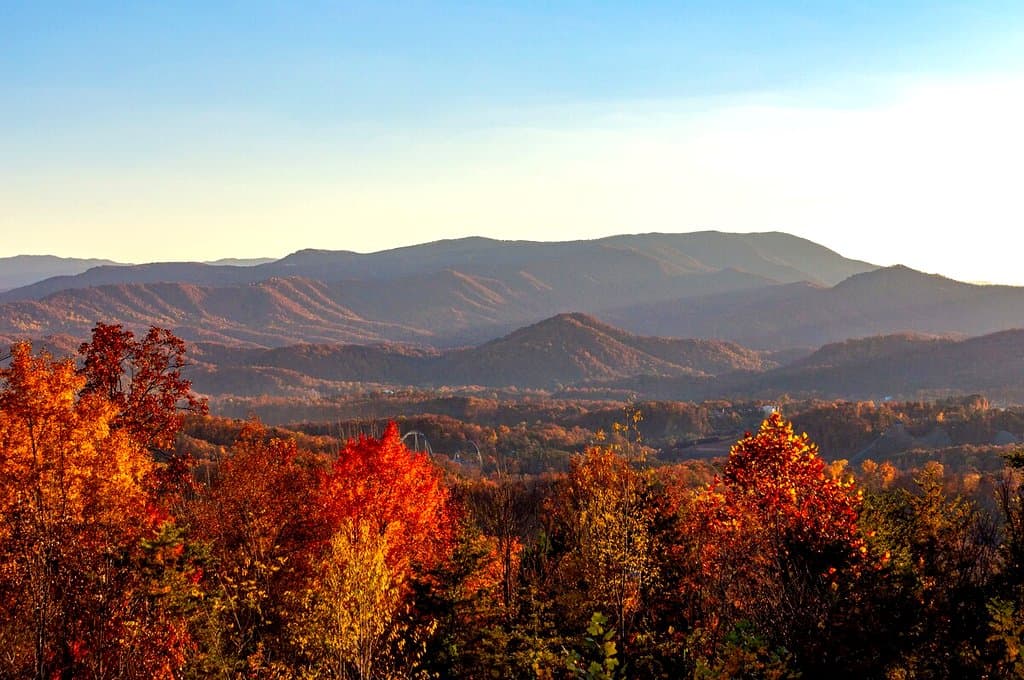
The Mistake That Wrecks Most First Smoky Mountain Trips
It is not picking the wrong attraction. It is underestimating how much of your vacation gets eaten by traffic and parking.
Picture a family that booked a cabin somewhere up a steep gravel road in a remote development because the photos looked dramatic. They wake up, take twenty minutes of switchbacks just to reach pavement, then merge onto the Parkway at 10 a.m. with every other visitor in the county. By the time they reach the Sugarlands entrance it is pushing noon. The Laurel Falls lot is full. They circle, give up, drive to Gatlinburg, spend forty minutes finding a garage, eat an overpriced lunch, and head back. One hike attempted. Zero hikes completed. Four hours in the car.
That is not bad luck. That is a predictable outcome of two decisions: leaving late and staying somewhere with a long, slow exit. The second one compounds every single day of the trip. A fifteen minute difference in drive time to the Parkway costs you an hour a day round trip across a typical itinerary.
What to look for instead: a place that is genuinely quiet but still sits minutes from the main corridor. Paved, manageable access. Enough separation from neighbors that you hear crickets instead of car doors. A deck with an actual view so that the hour you spend at the cabin feels like part of the vacation rather than downtime.
Our cabin was chosen on exactly that logic. It sits on one secluded acre with no neighbors on three sides, yet Dollywood is four minutes out and the national park entrance is a short, straightforward drive. The deck faces south toward Dollywood, and during seasonal, scheduled fireworks and drone show nights you can often catch them from the rail without leaving the property. Those shows run on the park's calendar, so check it rather than assuming.
Working remote for part of the trip? Internet here is 321 Mbps T-Mobile 5G home internet, which handles video calls and large uploads without drama. That is a legitimate differentiator in these hills, where plenty of listings quietly mean satellite or a weak hotspot.
What Is So Special About the Smoky Mountains, Season by Season
The park is a different destination four times a year, and knowing which version you are getting changes everything about your plan.
Spring brings wildflowers. The Smokies are sometimes called the wildflower national park, and from March into May the trails along Porters Creek and the Little River run thick with trillium, bloodroot, and lady slippers. Waterfalls run their hardest with snowmelt and spring rain. Crowds are moderate until the end of April.
Summer is green, warm, and busy. This is swimming hole season, when locals head for the Townsend Y and the Little River pullouts. Afternoon thunderstorms are routine, which makes the midday cabin break more useful than it sounds. Synchronous firefly viewing in Elkmont happens for a short window in late spring or early summer and requires a lottery, so plan far ahead.
Fall is the heaviest tourist season for a reason. Color typically starts at the higher elevations in early October and works downhill through the end of the month, which means you can chase peak by changing elevation rather than changing dates. Weekend traffic in October is the worst of the year. If you want detail on timing, our post on whether the leaves are at peak gets specific.
Winter is the quiet secret. Leaves are down, which means you can see ridgelines and rock formations that are invisible the rest of the year. Rates soften, restaurants have tables, and the bare forest has a stark quality that photographs beautifully. Just accept that high-elevation roads may close and pack layers.
Frequently Asked Questions
What is the main attraction of the Great Smoky Mountains?
Great Smoky Mountains National Park itself, which is the most visited national park in the United States and charges no entrance fee. Within the park, Cades Cove draws the most visitors thanks to its historic buildings, open valley views, and reliable wildlife sightings, with Newfound Gap Road and the Kuwohi observation tower close behind.
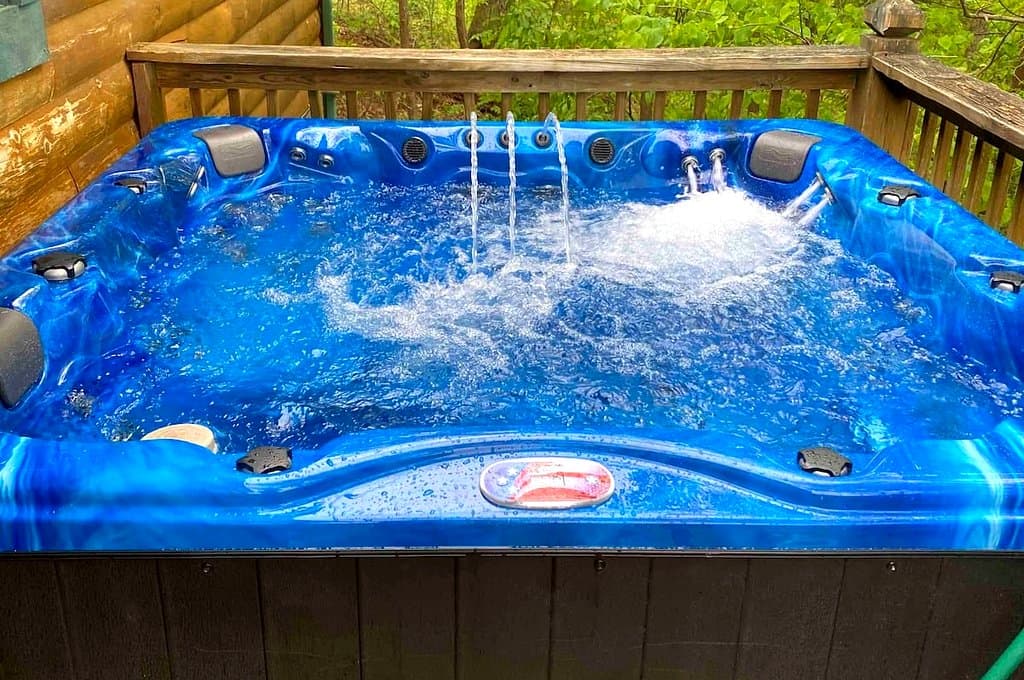
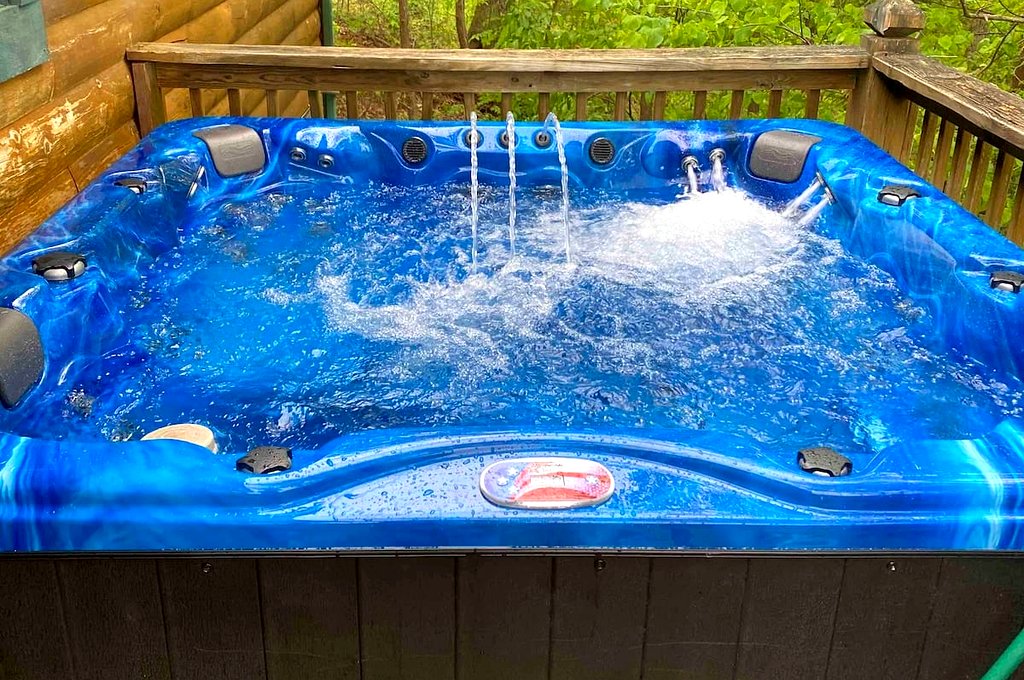 56-Jet Luxury SpaBluetooth, subwoofer, LED waterfall.
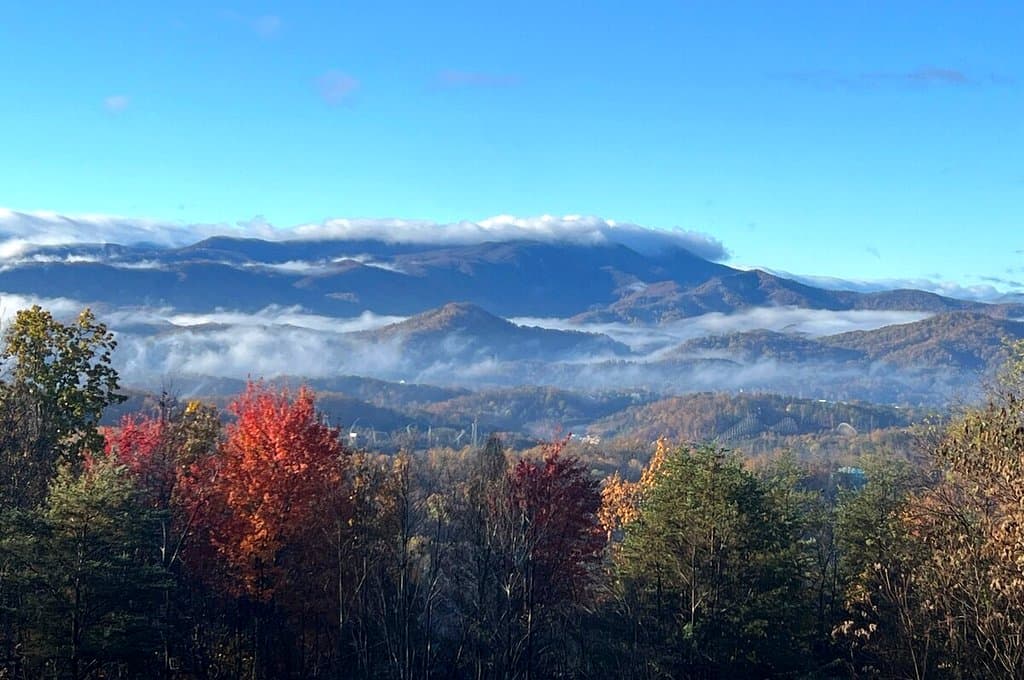
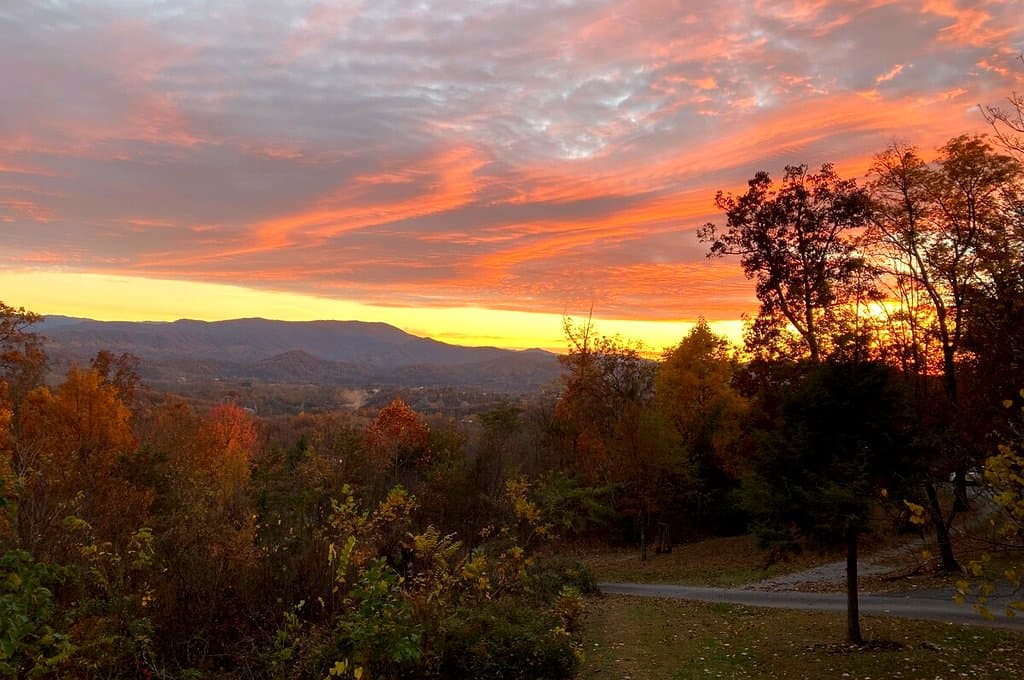
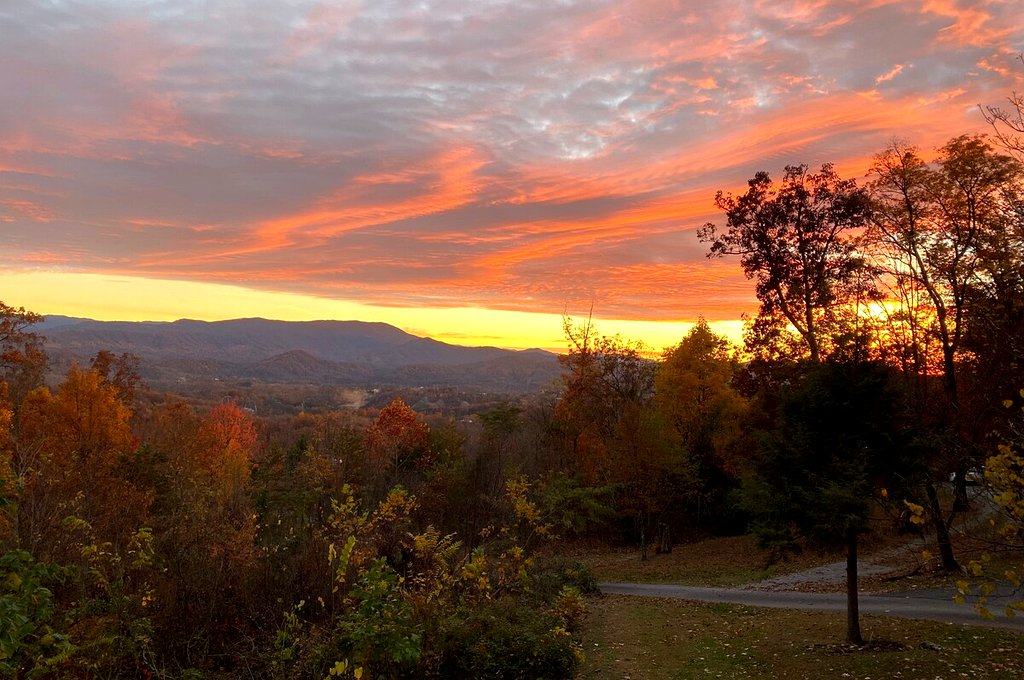 Mountain-View EveningsWatch the evening light change over the mountain ridges.
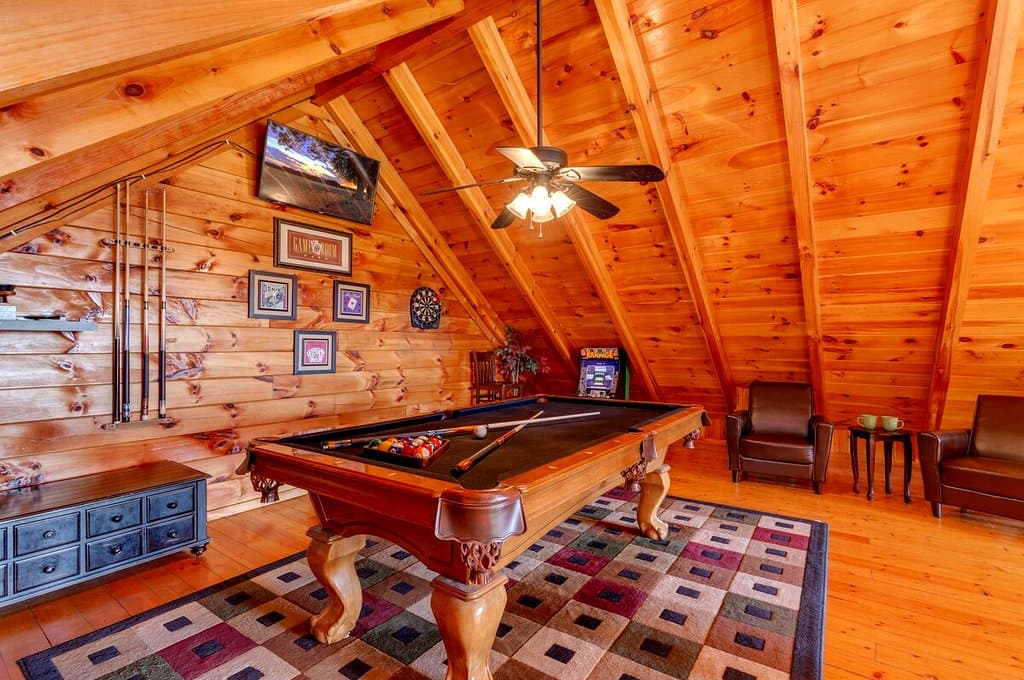
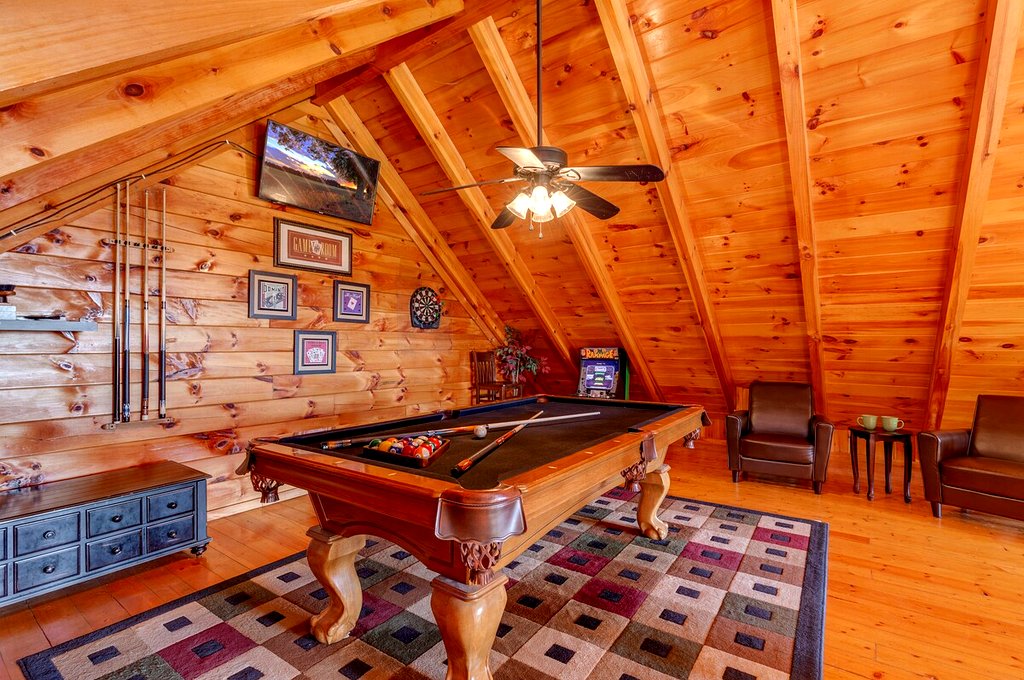 Game RoomPool table, arcade, darts, Xbox.
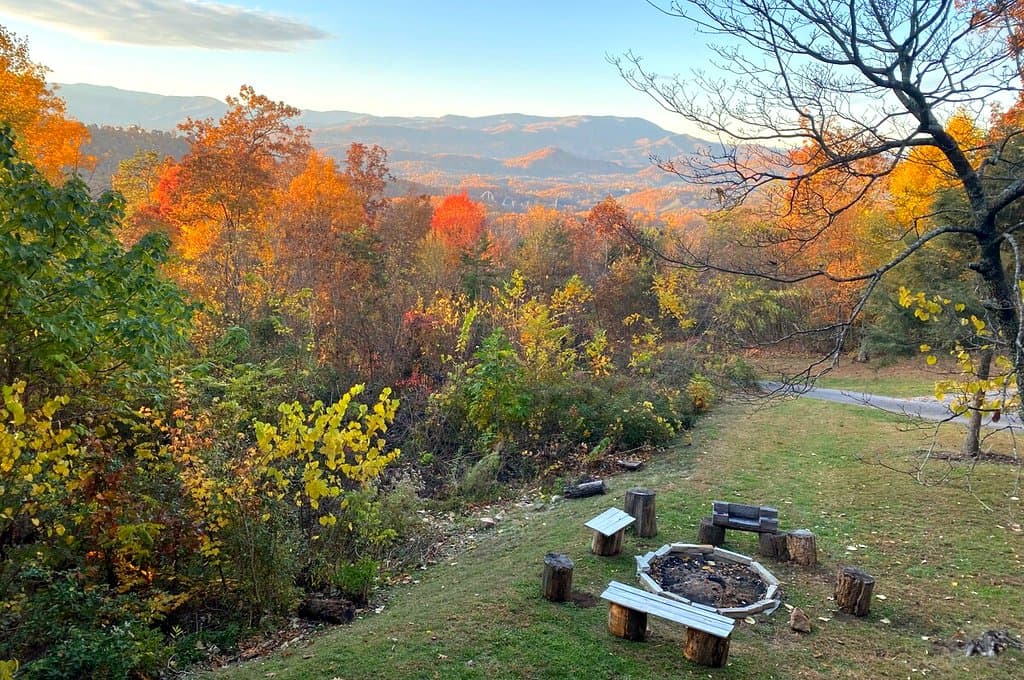
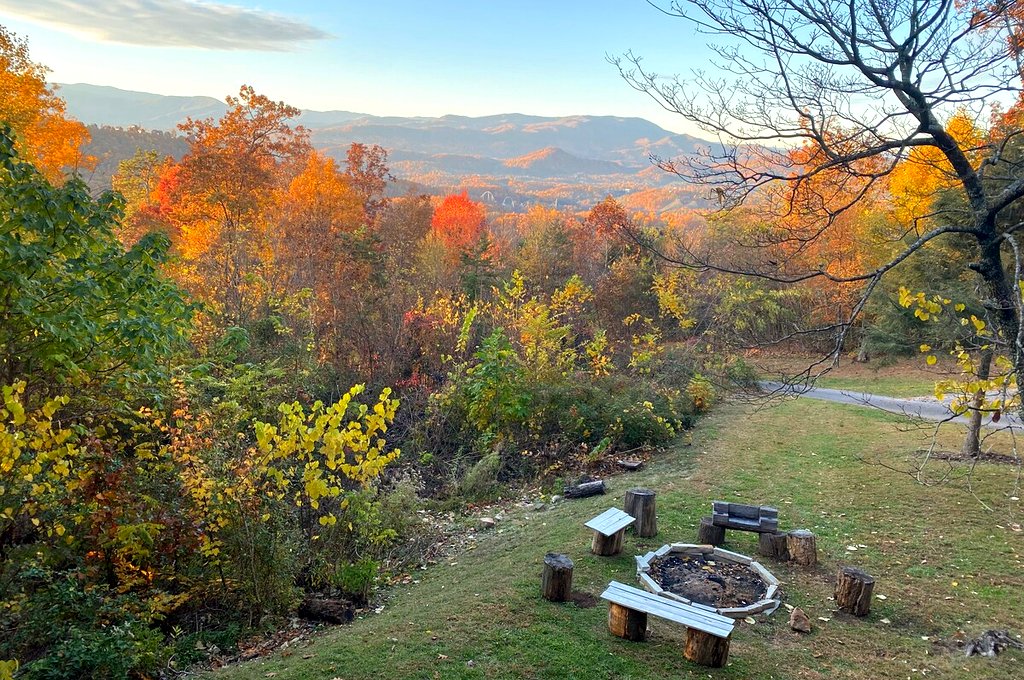 Mountain-View Fire PitS'mores with a ridgeline backdrop.
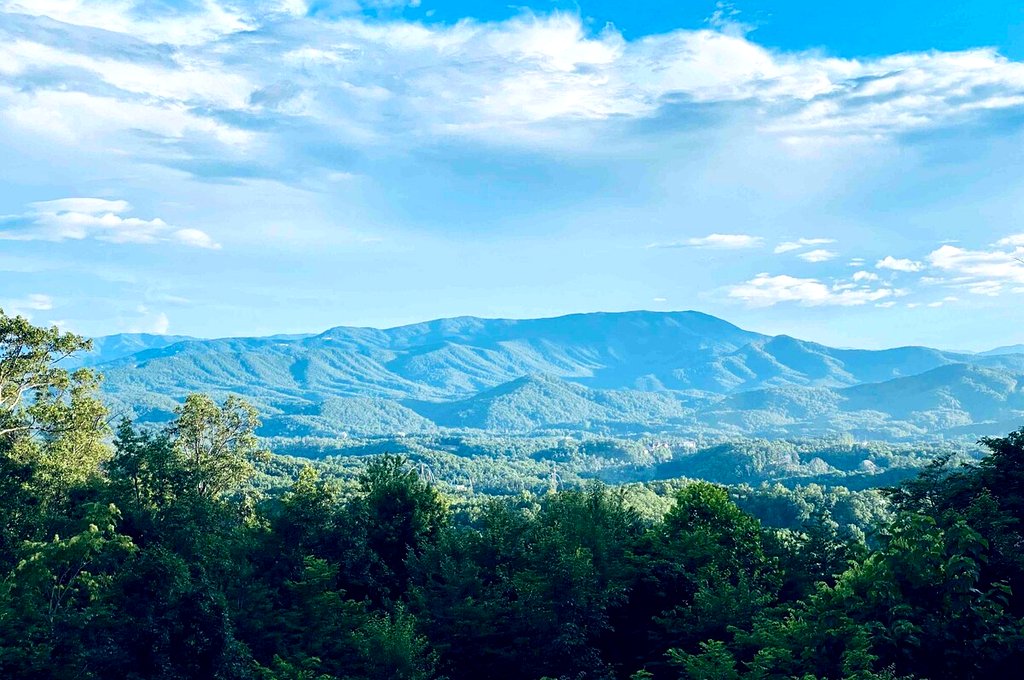 One Private AcreNo neighbors on three sides, 800 forest acres around you.
What is the number one attraction in Pigeon Forge, Tennessee?
Dollywood holds that spot without serious competition. The park blends thrill rides with Appalachian craft demonstrations and live music, and it operates a seasonal calendar of festivals that changes the experience depending on when you visit. Splash Country, the adjacent water park, is a separate ticket and runs in the warm months.
What is so special about the Smoky Mountains?
Three things stack up: age, biodiversity, and access. This is an ancient range with soft, rounded ridges rather than jagged peaks, home to an exceptional concentration of plant and animal species, and it is free to enter with paved scenic roads reaching the high country. Few places let you go from a highway pullout to old-growth forest in under ten minutes.
What are the best things to see in the Smoky Mountains?
Start with Cades Cove at sunrise, then Newfound Gap and Kuwohi for the elevation views. Add one waterfall hike sized to your group, Laurel Falls for easy, Abrams Falls for a real workout. The Roaring Fork Motor Nature Trail near Gatlinburg packs historic cabins, streams, and the Grotto Falls trailhead into a short one-way loop.
How many days do I need to see the Smoky Mountains properly?
Three nights is a workable minimum and happens to be our default, since two travel days plus one real park day leaves almost nothing. Four or five nights lets you do Cades Cove, a high-elevation drive, two hikes, and a Dollywood day without rushing. Shorter trips tend to turn into driving tours rather than actual mountain time.
Putting It Together
The main attraction of the Smoky Mountains is the park, and the main obstacle is logistics. Those two facts should shape your entire plan. Get up early, pick a ratio of park days to town days before you arrive, and stay somewhere that does not tax you fifteen extra minutes every time you leave.
If you have never been, do this: Cades Cove on your first full morning, Newfound Gap and Kuwohi on the second, Dollywood on the third with a midday break. Keep one afternoon completely unscheduled. The best moments here tend to show up in the gaps, a creek you pull over for, a porch at dusk, fog settling into the low spots while the grill is going.
If you want real park access without gravel switchbacks and a crowded driveway, this is it. One secluded acre with no neighbors on three sides, two bedrooms and two bathrooms, two king beds plus three queen fold-out couches for up to six guests, a propane grill, and a south-facing deck looking toward Dollywood. Dogs welcome, two maximum, with an open outdoor dog area. Three night minimum.
Start Planning Your Trip