

 Thistle Britches
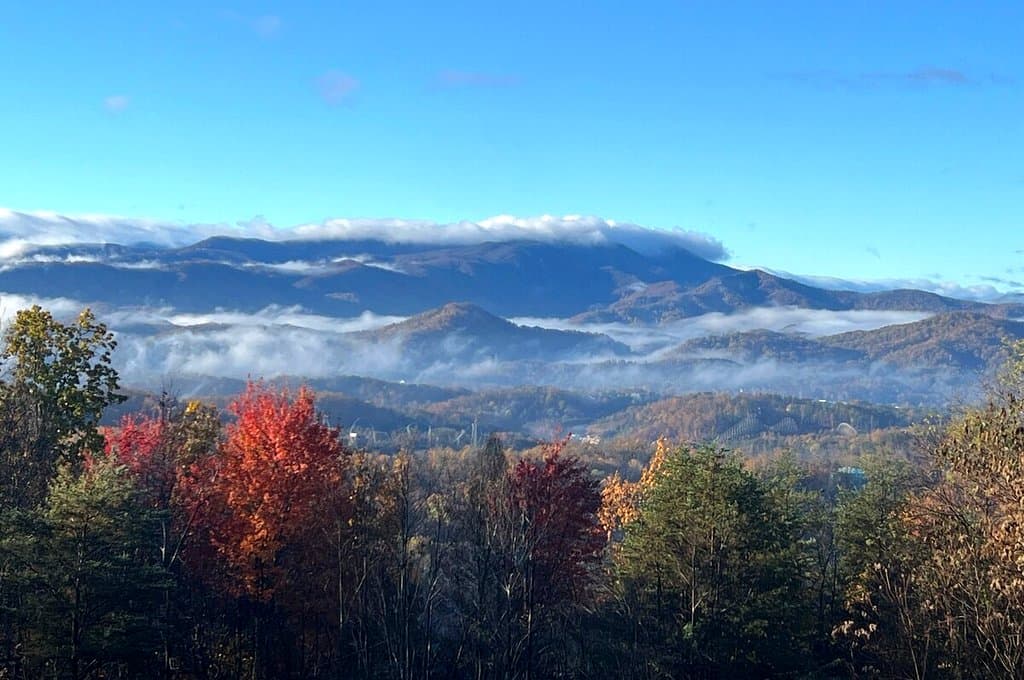
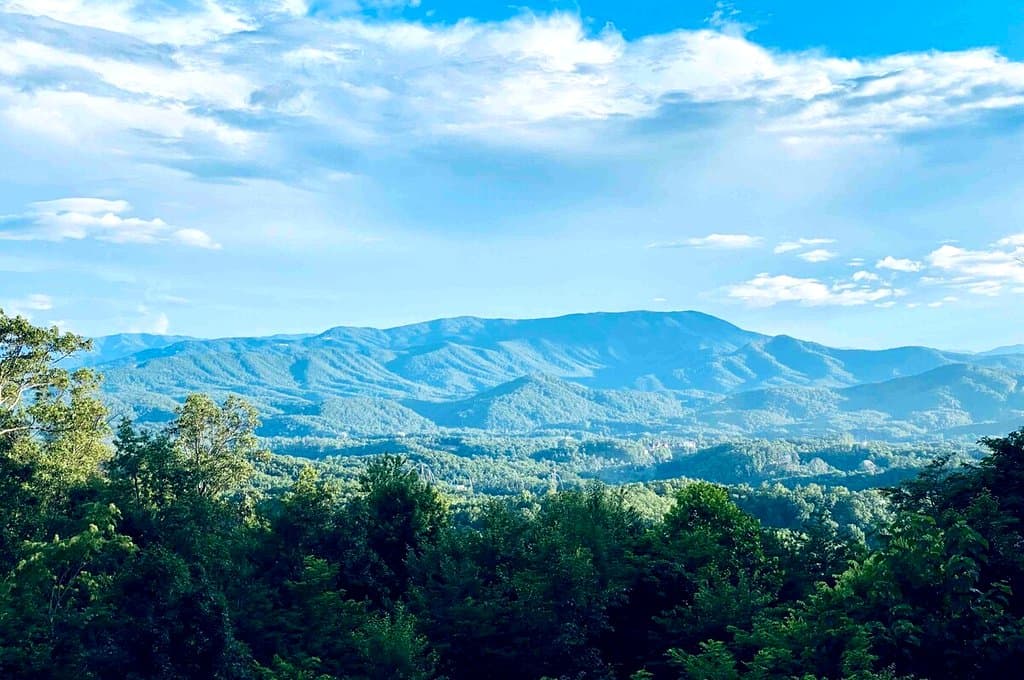
Drive toward the park on an October morning, before the coffee shops flip their signs, and you will see the thing that gave these mountains their name. Blue-gray haze pooling in every hollow, layered ridge behind layered ridge, the whole range looking like someone stacked cutouts of paper against the sunrise. That fog is not weather, it is the forest breathing. So when guests ask me what is the main attraction of the Great Smoky Mountains, my honest answer is not a single trailhead or a single overlook. It is the park itself, all 500,000-plus acres of it, and the fact that you can stand inside the most visited national park in America and still hear nothing but water over rock.
That said, nobody plans a vacation around an abstraction. You need names, mile markers, and a sense of what deserves your Tuesday. After years of pointing guests down the right roads from a deck that faces south toward Dollywood, I have a pretty firm ranking. Here it is, with the logistics that actually matter.
Key Takeaways
- The Great Smoky Mountains National Park is the main attraction, and it charges no entrance fee, though parking tags are required.
- Cades Cove is the single most beloved destination inside the park: an 11-mile loop through open meadow, historic cabins, and reliable wildlife.
- Kuwohi, formerly known as Clingmans Dome, is the highest point in the park and the best big-sky view for the least walking.
- Late October foliage and spring wildflowers are the two peak seasons, and both fill lodging fast.
- Staying just outside the Pigeon Forge crowd, close to the Spur, saves the most valuable resource: morning daylight.
What Is the Main Attraction of the Great Smoky Mountains? The Park Itself
Start with scale, because it reframes everything else. Great Smoky Mountains National Park straddles the Tennessee and North Carolina line, protects some of the oldest mountains on earth, and holds an astonishing density of plant and animal life. It is a UNESCO World Heritage Site and an International Biosphere Reserve, which is a formal way of saying the biology here is unusual even by global standards. You can read the park's own overview at the National Park Service site, and it is worth ten minutes before you pack.
The other headline: there is no entrance gate. No booth, no fee to drive in. Tennessee gave the land with a condition that the road stay free, so the Smokies remain one of the few major national parks you can enter without paying admission. Parking is a different story. If you leave a vehicle for more than fifteen minutes anywhere in the park, you need a Park It Forward tag, available daily, weekly, or annually. Buy it online or at a visitor center before you go, because pulling into Laurel Falls without one is a small, avoidable headache.
What people mean by "main attraction" usually breaks into four experiences: Cades Cove, the high overlooks near Kuwohi, the waterfall hikes, and the foliage drives. Every one of those is inside the park boundary, and every one of them rewards an early start more than any other planning decision you can make. The park does not get less beautiful at 2 p.m. It just gets fuller.
Cades Cove: The Answer Most Locals Give
Ask ten people who live in Sevier County what the main attraction of the Great Smoky Mountains is, and a solid majority will say Cades Cove without hesitating. It is a broad, flat-bottomed valley ringed by mountains, homesteaded in the early 1800s, and now preserved with its churches, barns, and cabins standing where the families left them. An 11-mile one-way loop road circles the whole thing.
Wildlife is the draw people talk about. White-tailed deer in the meadow grass at dawn, wild turkeys strutting the fence lines, and, with real regularity in spring and fall, black bears working the tree edge. Bring binoculars. Give bears at least fifty yards, which is the park's own rule and also just good sense.
The honest warning: that 11-mile loop can take three hours on a peak Saturday because a single stopped car creates a chain reaction. Two fixes. First, arrive at the loop entrance by sunrise, which in autumn is closer to 7:30 than you might think. Second, check whether your dates fall during the seasonal vehicle-free mornings, when the loop opens to cyclists and walkers only. Riding it on a cool morning with no engine noise is one of the great hidden gems of the region, and bike rentals are available near the campground during the operating season.
Kuwohi, Newfound Gap, and the Views Worth the Drive
If your idea of a main attraction involves standing somewhere very high and seeing very far, aim for Kuwohi. Long known as Clingmans Dome and officially restored to its Cherokee name, it is the highest point in the park at 6,643 feet and the highest point in Tennessee. A paved half-mile trail climbs from the parking lot to a spiral observation ramp with a full 360-degree view. That half mile is steep. Take your time, and know that the access road closes for the winter season, typically from December into spring.
Weather up there behaves like a different state. It runs noticeably cooler than the valley floor and the spruce-fir forest at the summit holds cloud like a sponge. Bring a layer even in July. On a clear day the sightlines stretch across multiple states; on a foggy one you get an atmosphere nobody can photograph, which some visitors end up preferring.
Newfound Gap Road, U.S. 441, is the spine that gets you there. It climbs from Gatlinburg through every forest type in the park and crosses the state line at the gap, where the Appalachian Trail cuts across the pavement. Pull off at the Chimney Tops picnic area, at Morton Overlook near sunset, and at the Oconaluftee Visitor Center on the North Carolina side, where elk graze the field most mornings and evenings. The full drive to Cherokee and back is a comfortable half-day, and it is the single best introduction to the range if you only have one day for scenic drives.
For a shorter loop that still delivers, the Roaring Fork Motor Nature Trail out of Gatlinburg gives you rushing creeks, moss-heavy log homesteads, and the Place of a Thousand Drips in under two hours. No trailers or RVs, and it also closes in winter.
Every one of these drives starts earlier and ends later when you are staying on the far side of the traffic. A cabin four minutes from the Dollywood entrance, on a secluded acre with no neighbors on three sides, puts the park gate and the parkway both within easy reach.
Book Your Stay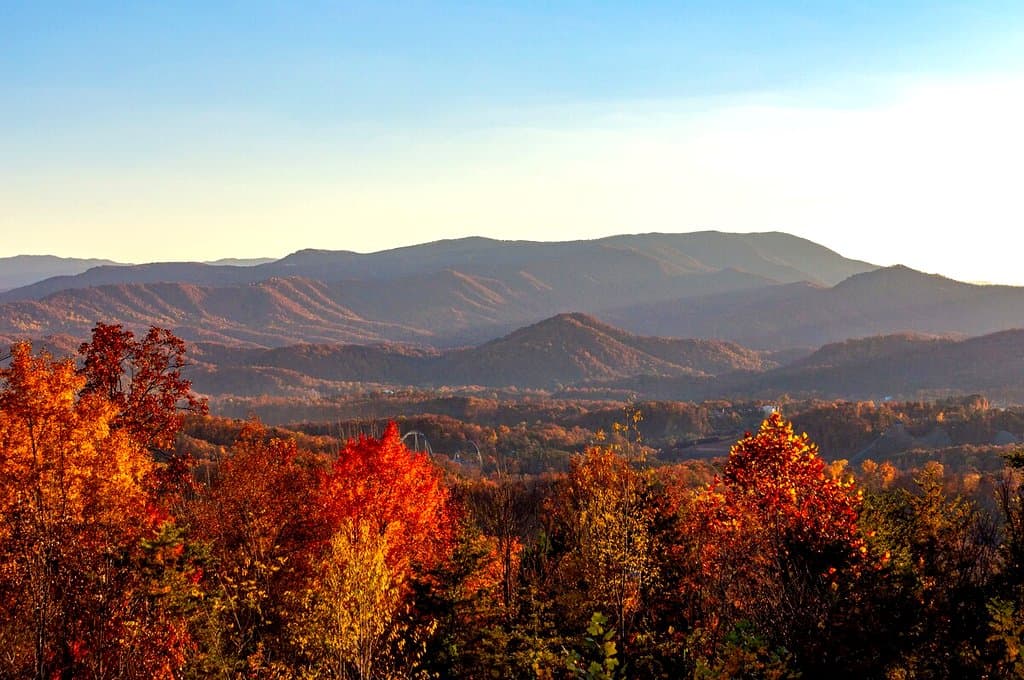
The Mistake That Costs First-Time Visitors an Entire Day
Here is the pain nobody warns you about. You book a cabin because the photos show a mountain view, you arrive excited, and then you discover that getting from your driveway to a trailhead means forty-five minutes of stop-and-go on the Parkway each direction. Multiply that by five days. You lose the equivalent of a full vacation day sitting behind a go-kart billboard, and the foliage drive you planned for Wednesday quietly becomes a drive to a chain restaurant instead.
The second half of that mistake is booking too far up a mountain. Steep gravel switchbacks look adventurous in listing photos. In practice they mean nobody wants to leave once you have arrived, and grandparents with knee replacements are not making that walk from the parking pad twice a day. Remote is only an asset when the remoteness costs you nothing in access.
What to look for instead: a property genuinely close to the Spur and to Dollywood, on land private enough to feel like the woods, with a driveway an ordinary sedan can handle. That combination is rarer than it sounds. When we hosted our first guests here, the thing they mentioned most was not the view. It was how quickly they could get back to the cabin after a long trail day. Dollywood and Splash Country sit 0.8 miles away, roughly four minutes by car, and the park entrance is a short run from there.
Match that with a layout that actually fits your group. Two bedrooms with two king beds, two full bathrooms, and three queen fold-out couches handle up to six guests without anyone drawing the short straw. Two bathrooms matters more than people expect on a morning when everyone needs to be in the car by 7 a.m. If you are weighing towns before you weigh properties, our breakdown of Gatlinburg versus Pigeon Forge with kids gets into the trade-offs in more detail.
My honest advice to every guest: pick your lodging for drive time, not for elevation. The view you remember is the one from the trail, and you only get there if the road cooperates.
Seasonal Timing, Foliage, and What to Do Between Hikes
Foliage is the reason autumn books out first. Because the park spans thousands of feet of elevation, color arrives in waves rather than a single week. High-elevation maples and birches near Kuwohi turn in early October, mid-elevations follow, and the valley floors around Pigeon Forge often peak in late October into the first days of November. That staggered schedule means a badly timed trip is hard to manage: drive higher or lower and you usually find color somewhere.
Spring is the quieter local favorite. Wildflowers come on strong in April, waterfalls run at full volume from snowmelt and rain, and trails like Laurel Falls and the Little River Trail feel almost private on a weekday. Summer brings swimming holes, tubing on the Little River in Townsend, and reliable afternoon thunderstorms that clear by dinner. Winter strips the leaves and hands you sightlines you cannot get any other time of year, plus the lowest lodging rates of the calendar.
Between park days, the towns provide the contrast. Pigeon Forge has Dollywood, The Island, dinner shows, and the go-kart-and-mini-golf stretch that kids treat as its own destination. Gatlinburg offers the aerial tramway, Ober Mountain, and a walkable downtown of craft shops. If you are building a two-town itinerary, our guide to planning a two-day Gatlinburg trip pairs well with a park day. For anyone wondering whether a short stay is enough, we also worked through whether three days is long enough for Pigeon Forge.
Frequently Asked Questions
What is the main attraction of the Great Smoky Mountains for someone with only one day?
Pick Cades Cove if wildlife and history matter most, or Newfound Gap Road up to Kuwohi if you want big views and multiple overlooks. Trying to do both in one day means rushing both, since they sit on opposite sides of the park and each deserves at least half a day with stops.
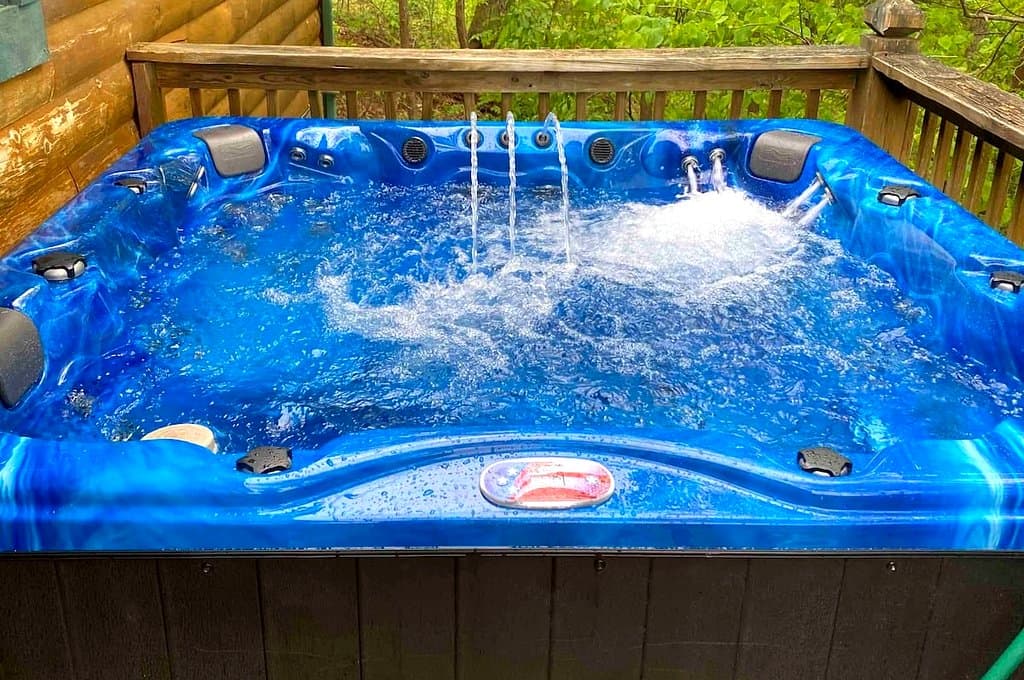
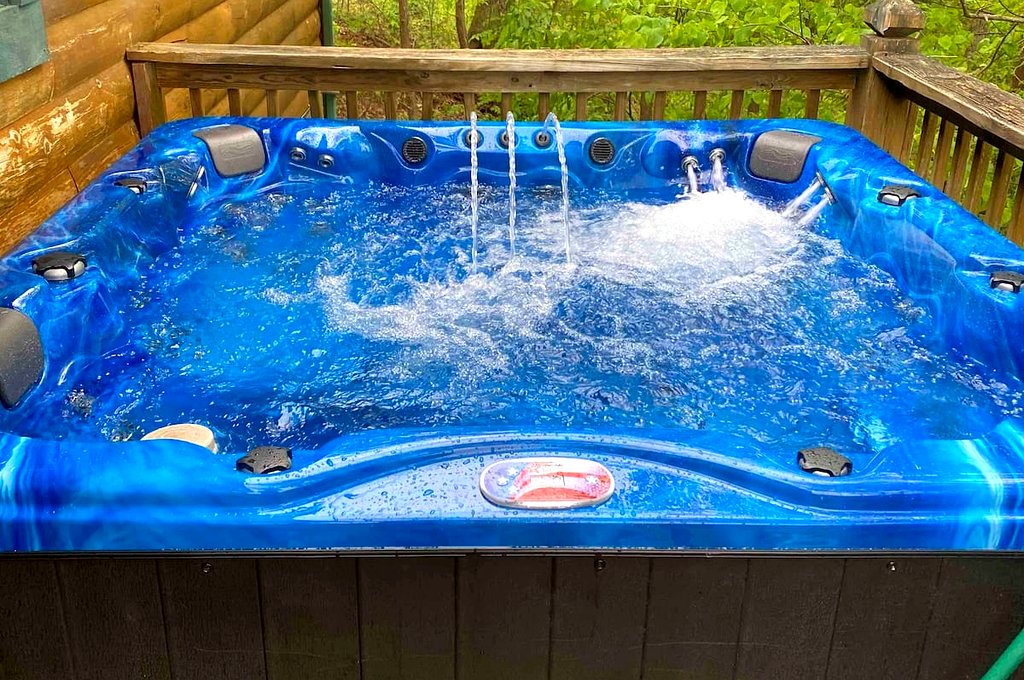 56-Jet Luxury SpaBluetooth, subwoofer, LED waterfall.
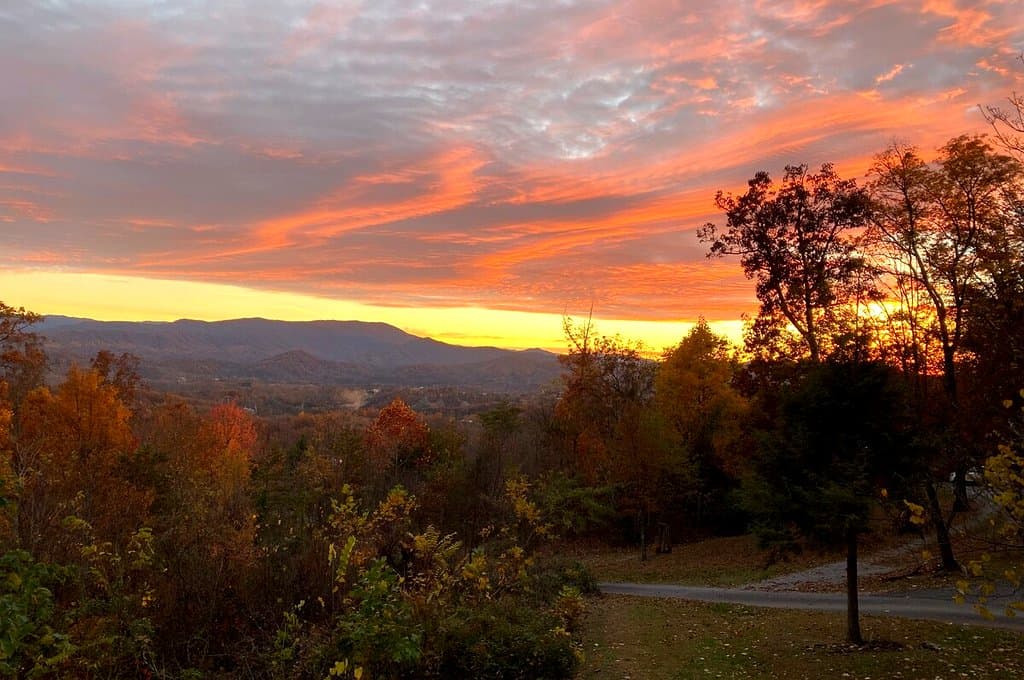
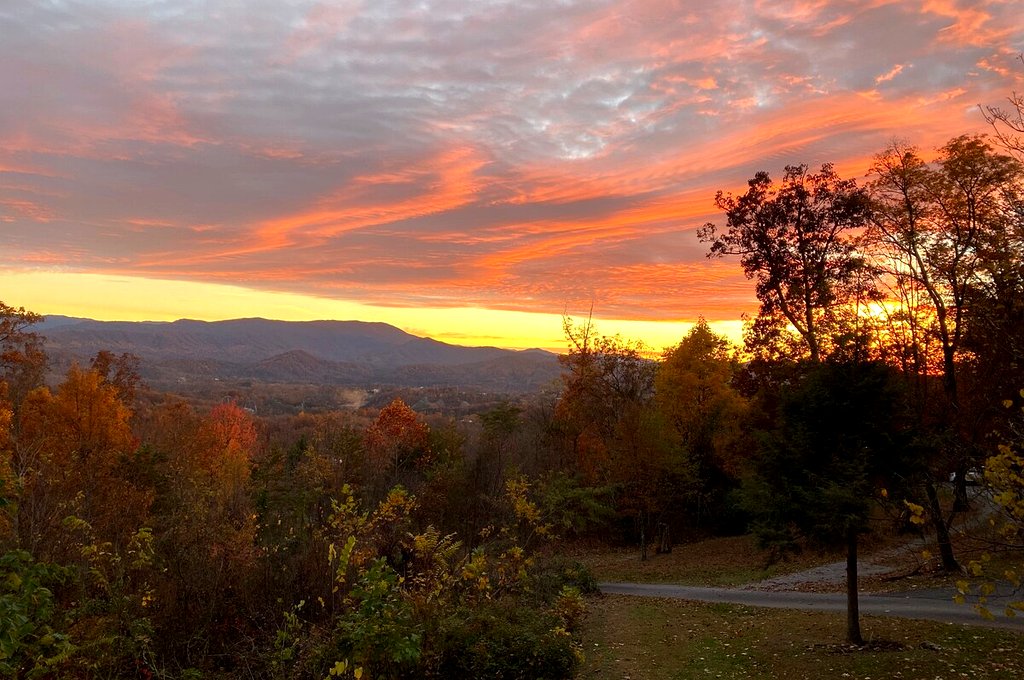 Mountain-View EveningsWatch the evening light change over the mountain ridges.
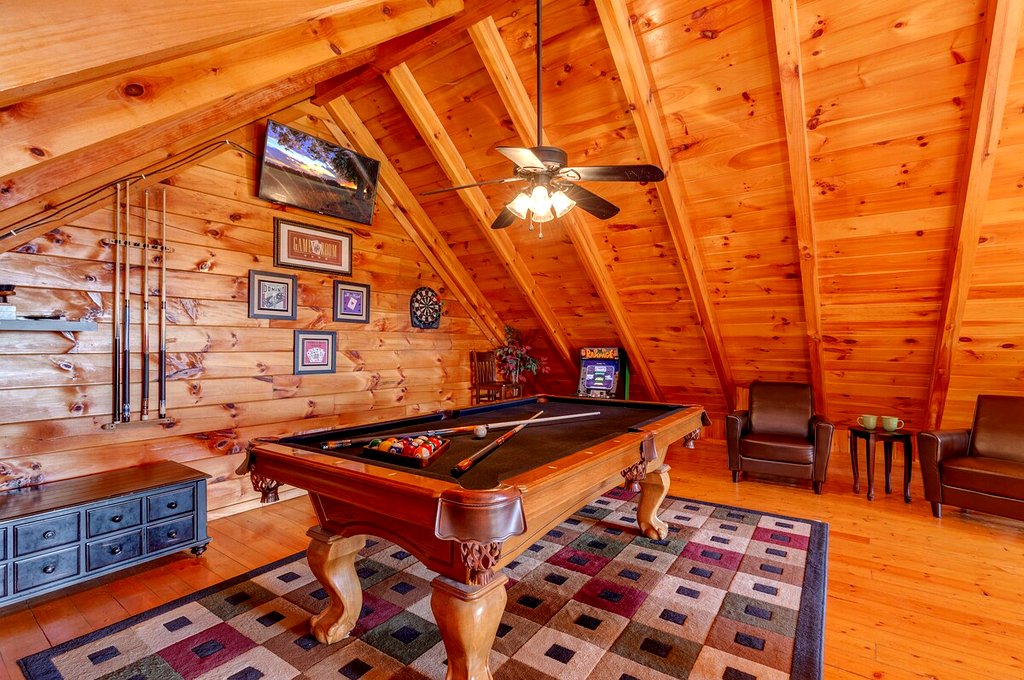 Game RoomPool table, arcade, darts, Xbox.
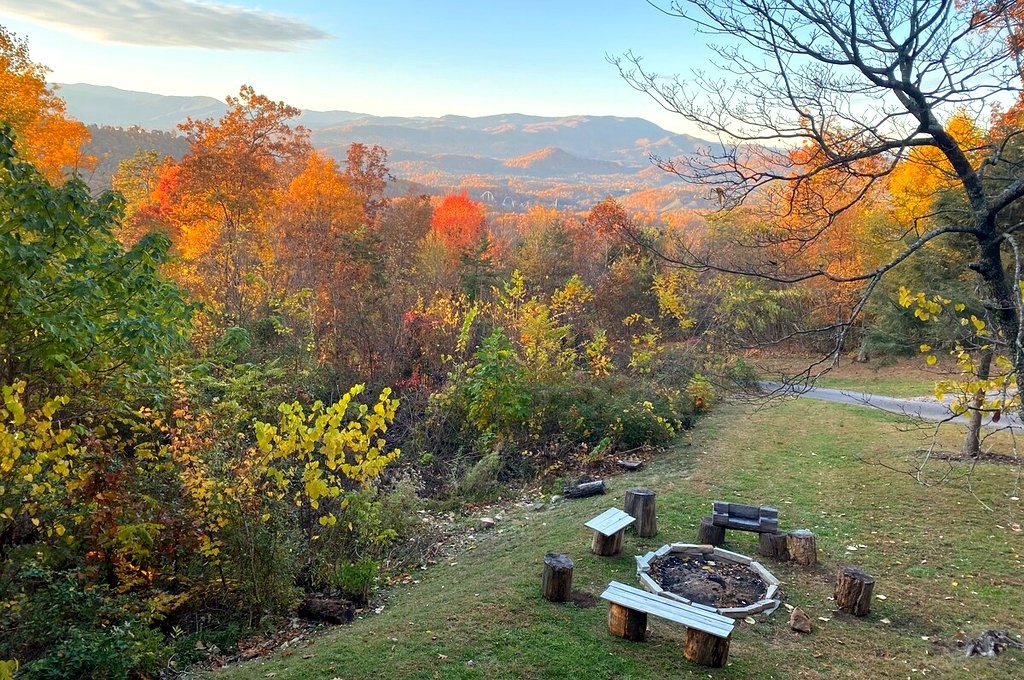 Mountain-View Fire PitS'mores with a ridgeline backdrop.
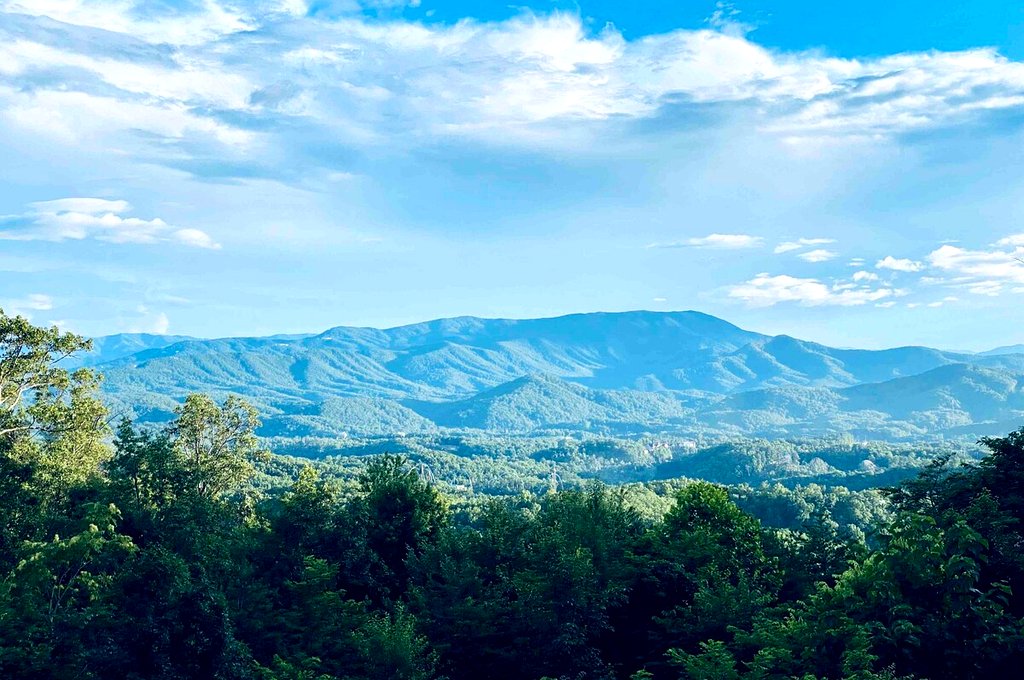 One Private AcreNo neighbors on three sides, 800 forest acres around you.
What city is the Great Smoky Mountains in?
The park is not inside any city. It spans Sevier, Blount, and Cocke counties in Tennessee and Swain and Haywood counties in North Carolina. The main gateway towns are Gatlinburg and Townsend on the Tennessee side and Cherokee on the North Carolina side, with Pigeon Forge and Sevierville serving as the lodging and entertainment hubs just north of the boundary.
Is there really no entrance fee to the national park?
Correct, there is no admission charge to drive into Great Smoky Mountains National Park. Since the Park It Forward program began, however, any vehicle parked longer than fifteen minutes needs a paid parking tag. Buy it in advance through the park website or grab one at a visitor center on your way in.
What are the best things to do in the Smoky Mountains for adults?
Sunrise at a high overlook, a long day hike on the Alum Cave Trail or the Appalachian Trail out of Newfound Gap, the Roaring Fork motor loop, and the distillery and craft shop circuit in Gatlinburg. Add a slow evening on a deck with mountain sightlines and no schedule, which is what most adult guests actually rank highest by the end of a trip.
When should I book if I want peak foliage?
Earlier than feels reasonable. Late October weekends near the park get claimed many months in advance, and the good properties go first. Keep in mind that most quality cabins hold a three-night minimum during high season, so plan for a long weekend rather than a single overnight.
Bringing It Together
The main attraction of the Great Smoky Mountains has never been a ride, a show, or a single overlook. It is the fact that a half-million acres of ancient forest sit within a few minutes of a highway, free to enter, full of elk and bear and cold water, changing character with every thousand feet you climb. Cades Cove and Kuwohi are the two places most people name, and they earn it. What determines whether you actually reach them is far less romantic: where you sleep, and how long the drive takes.
Bring layers, download your maps before you lose signal at the state line, and treat mornings as the only currency that counts. Dogs are welcome here too, up to two, with an outdoor area on the property, though it is unfenced so leashes stay on.
If you want real park access without losing an hour to Parkway traffic each way, a secluded acre four minutes from Dollywood with a south-facing deck and fast 321 Mbps 5G internet is the setup to lock in. Peak foliage and spring wildflower weeks go first, and the minimum stay is three nights.
Start Planning Your Trip