 Thistle Britches
By seven on a July evening, the Parkway between traffic light #3 and traffic light #10 turns into a slow river of brake lights, funnel cake smoke, and kids pointing at a building built upside down. Somewhere in that crawl, a parent in the passenger seat looks at the sidewalk crowd and asks the question out loud: is Pigeon Forge safe for families? Having hosted guests roughly four minutes from Dollywood's front gate, I hear a version of that question in almost every pre-trip message.
The short answer is yes. The longer answer is more useful, because the actual risks in this town are not the ones people worry about on the drive down. Nobody gets in trouble here because of some shadowy back alley. They get in trouble because a five year old bolts across four lanes of Parkway traffic toward a go-kart track, or because a rental cabin sits at the top of a gravel switchback that turns into a luge run after an ice storm.
So let's talk about what safety actually looks like in a mountain tourist town: the traffic, the crowds, the water, the wildlife, the tourist traps worth skipping, and the lodging decision that quietly determines how relaxed your whole week feels.
Key Takeaways
- Pigeon Forge is a heavily patrolled, family oriented tourist corridor, and the biggest real hazard for families is Parkway traffic, not crime.
- Pedestrian crossings, parking lot exits, and after dark walking along the Parkway deserve far more attention than most visitors give them.
- Cabin access roads matter more than cabin photos. Steep gravel, blind curves, and unrailed drop offs cause more family stress than anything downtown.
- Water safety at Splash Country, creek wading, and hot tubs is where parents need actual rules, not vibes.
- Staying just off the Parkway near Dollywood Lane gives you quick access without sleeping inside the noise and chaos.
What Safety Really Means in a Town Built for Tourists
Pigeon Forge exists to host visitors. That single fact shapes everything about how the town operates. Attraction staff are trained on lost child procedures, the Parkway is one of the most visible and monitored stretches of road in East Tennessee, and business owners here depend on families feeling comfortable enough to come back next summer. That economic reality is a stronger safety guarantee than any marketing slogan.
When people ask is Pigeon Forge safe for families, they are usually picturing crime. In practice, the crime tourists actually encounter tends to be opportunistic and property related: a purse left on a restaurant chair, a phone on a mini golf ledge, a car unlocked in a crowded attraction lot with a laptop visible in the back seat. Lock the car, take the bag, and you have handled most of it.
The genuine hazards are physical and environmental. Four to six lanes of stop and go traffic with pedestrians on both sides. Mountain roads with grades that surprise flatland drivers. Sudden afternoon thunderstorms that dump water fast. Black bears that are entirely real and entirely uninterested in your rules about food on the picnic table. The National Park Service bear safety guidance is short, blunt, and worth reading with your kids before you drive up.
There is also the crowd factor. Peak weeks in June, July, and October pack the Parkway, and crowded places create their own risks: separated kids, heat exhaustion, tired toddlers near curbs. None of that means the town is unsafe. It means the trip needs a little structure. Families who plan around the crowds instead of straight through them have a completely different experience, which is also why how many days you budget for the trip affects safety more than people expect. Rushed parents make rushed decisions.
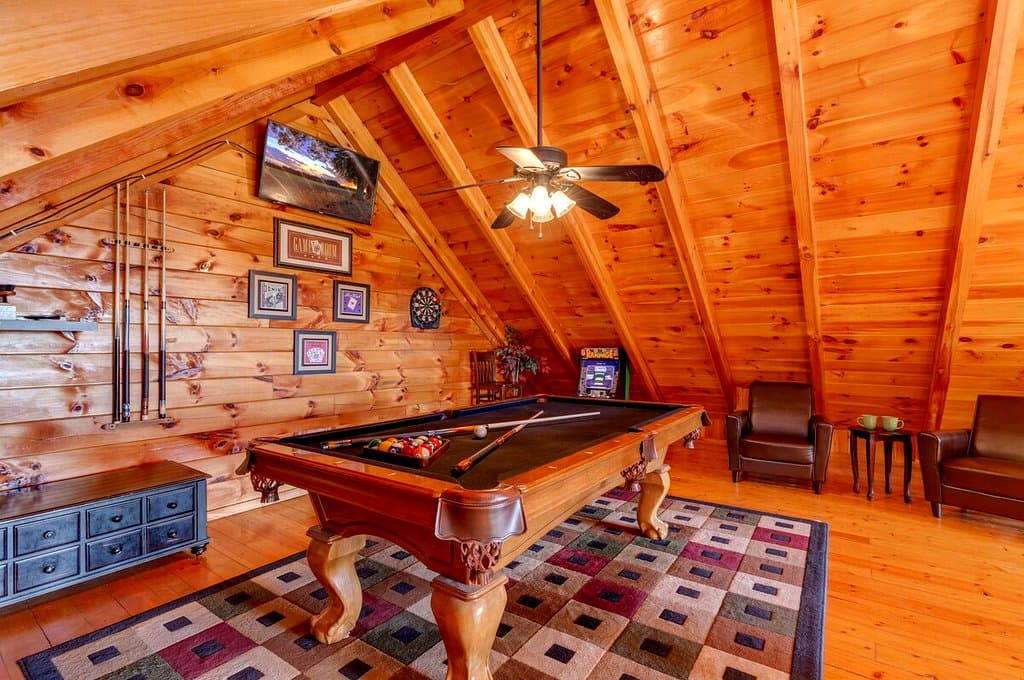
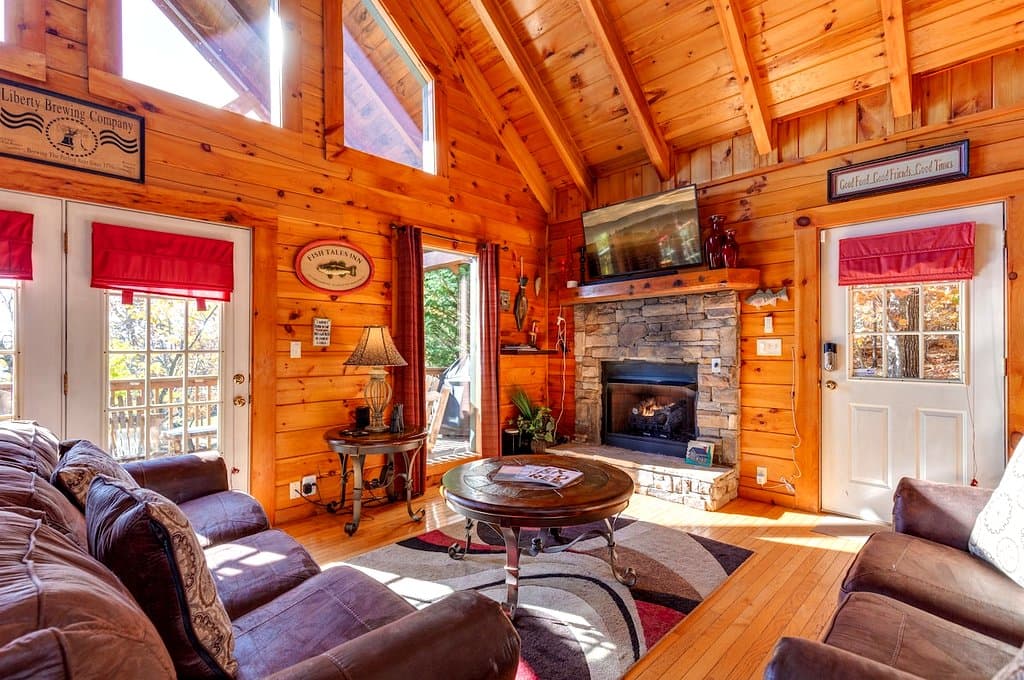
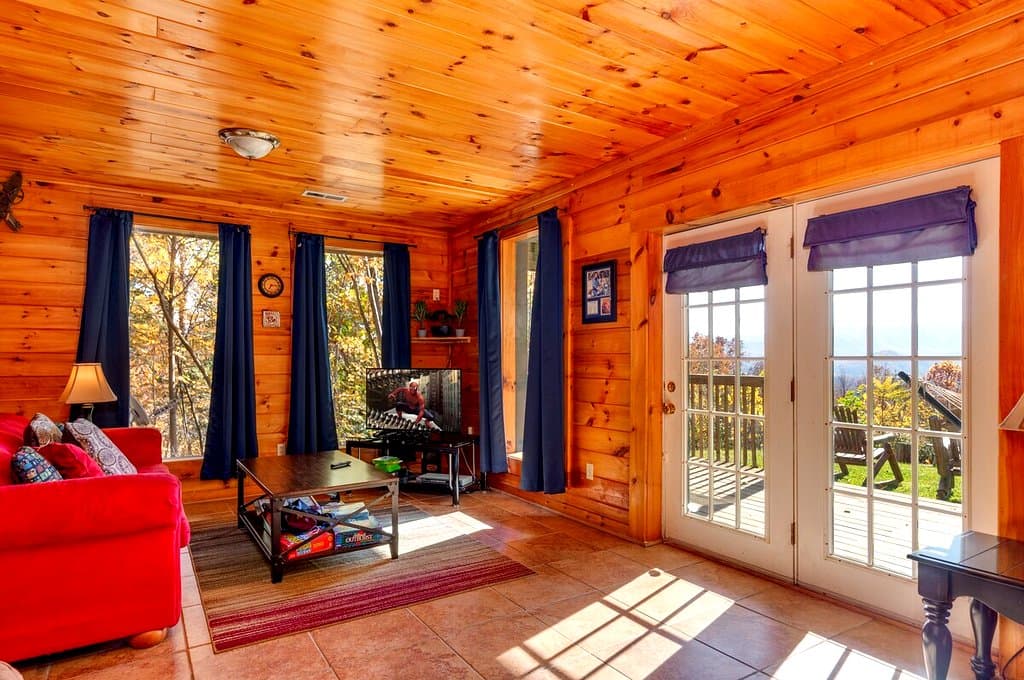
Actual photo of the cabin game room, with a pool table and arcade cabinet.
The Parkway Is the Real Hazard, and It Is Fixable
If I could hand every arriving family one piece of paper, it would be about crossing the Parkway. This road carries an enormous mix of vehicles: minivans, tour buses, motorcycle groups, oversized trucks pulling trailers, and rental cars driven by people reading signs instead of watching the road. Add a sidewalk full of excited kids and you have the one situation that genuinely worries me.
Use the signalized crosswalks and pedestrian bridges. Do not cross mid block because the ice cream shop is right there. Motorcycles are quieter and faster than kids expect, and a stopped lane does not mean the next lane is stopping too. Hold hands from the parking space to the door, every single time, not just when it feels busy.
Parking lot exits deserve the same respect. Many attraction lots dump directly onto the Parkway with poor sightlines, so drivers are watching for a gap in traffic instead of watching for your stroller. Walk behind cars, never in front of a car with a running engine, and treat every backup light as a warning.
For driving, the practical trick is timing. Late morning and early evening are the worst. If you can leave your cabin before nine or after eight, the same trip takes a fraction of the time. Veterans Boulevard, the parallel bypass on the west side of town, exists specifically so you can skip the Parkway crawl, and locals use it constantly. Teaster Lane serves a similar purpose on the east side. You can check current conditions on TDOT's SmartWay traffic map before you pull out of the driveway.
Winter adds a different variable. Ice on shaded mountain grades is the actual reason to rent an SUV, not the scenery. If a forecast shows freezing rain, stay put for the morning. The sun clears these roads faster than any plow schedule.
Want quick Dollywood access without sleeping beside four lanes of headlights? Our cabin sits on a secluded acre less than a mile from the park gates, with a south facing deck pointed straight at Dollywood.
Book Your StayThe Cabin Mistake That Makes Families Feel Unsafe
Here is the pain point almost nobody warns you about. Families spend weeks comparing cabin photos, then arrive at dusk to discover the driveway is a gravel ramp with a switchback, no guardrail, and a grade steep enough that Dad has to back the minivan down in the dark while everyone holds their breath. That single moment poisons the first night of a lot of vacations.
The same problem shows up in other forms. A loft railing with gaps a toddler can squeeze through. Twelve people packed into a cabin marketed for twelve, sharing one usable bathroom, with air mattresses in a walkway. A hot tub with no lockable cover. A property so far up the mountain that the drive to a pharmacy at ten at night takes forty minutes on curves.
So when you evaluate a place, look past the interior shots and ask about access. Is the driveway paved. How steep. Can two vehicles park without a three point turn on a slope. How long is the actual drive to the attractions your kids care about, not the marketing distance. And critically, how does the internet work, because a family with teenagers and a weather radar app needs a connection that holds.
That is the framework I built our own place around. It sits on one secluded acre with no neighbors on three sides, which means kids can be loud outside without a wall of townhouses ten feet away. Dollywood and Splash Country are 0.8 miles out, about four minutes by car, so a meltdown at two in the afternoon means a nap at 2:15 instead of an hour of switchbacks. Two bedrooms with king beds plus two full bathrooms handle a family of six without anyone queuing outside a door. Internet runs on 321 Mbps T-Mobile 5G home internet, which comfortably covers radar checks, ride reservations, and a rainy afternoon movie.
Two honest notes, because trust matters more than sales copy. The outdoor dog area is not fenced, so dogs stay leashed or supervised, with a two dog maximum. And there is one propane grill on the deck, not a charcoal setup, which frankly is the safer option with kids running around anyway. If you are still weighing neighborhoods, our breakdown of where to stay with kids in Pigeon Forge goes deeper on the tradeoffs.
Water, Wildlife, and the Rules Worth Setting on Day One
Water is the safety topic that deserves the most attention and gets the least. Splash Country has lifeguards and posted height requirements, and those height rules are not suggestions. Put life vests on weaker swimmers even in shallow areas, because kids get tired faster in the sun than parents expect and wave pools disorient them.
Creek and river wading is a separate conversation. The Little Pigeon River and its tributaries look gentle and shallow, then rise fast after mountain thunderstorms upstream, sometimes when it is still sunny where you are standing. Wet river rock is genuinely slippery. Water shoes, no jumping from rocks into unknown depths, and out of the water at the first rumble of thunder.
Hot tubs need their own house rule. Keep the cover locked when adults are not present, set a timer for younger kids, and do not let anyone soak alone after a long day in the sun.
Bears are part of living here, not an emergency. They come for food, so the rules are simple: no food or trash left on decks or in vehicles overnight, grill grates cleaned, garbage inside. If you see one, do not run and do not get between a sow and cubs. Back away, make noise, get inside. Teach kids that the correct response to "bear" is "walk to the door," not "grab the phone."
Then there is the boring stuff that actually prevents ninety percent of problems. Sunscreen reapplied at lunch. Water bottles refilled constantly in August humidity. A photo of each kid taken every morning in that day's clothes. A written meeting point at every attraction, picked before you walk in. Phone numbers written on a wristband or a card in a pocket for kids too young to memorize them.
Frequently Asked Questions
What to avoid in Pigeon Forge?
Avoid the Parkway between roughly four and eight in the evening during peak season unless you have somewhere specific to be, and avoid crossing it anywhere except a marked crosswalk or pedestrian bridge. Skip the high pressure vacation club and "free tickets" presentations, and be skeptical of any pitch that requires ninety minutes of your vacation. Also avoid booking a cabin without confirming driveway steepness, actual bathroom count, and real drive time to the attractions you plan to visit.
Should a family stay in Pigeon Forge or Gatlinburg?
For families with kids under twelve, the Pigeon Forge side usually wins on logistics. Parking is easier, attractions are spread out with their own lots, and Dollywood is right there. Gatlinburg is more walkable and sits at the national park entrance, which is great for hikers and couples, but the tight streets and paid garages get old with a stroller. Many families do what I recommend: stay near Dollywood Lane and day trip into Gatlinburg once, then retreat to quiet.
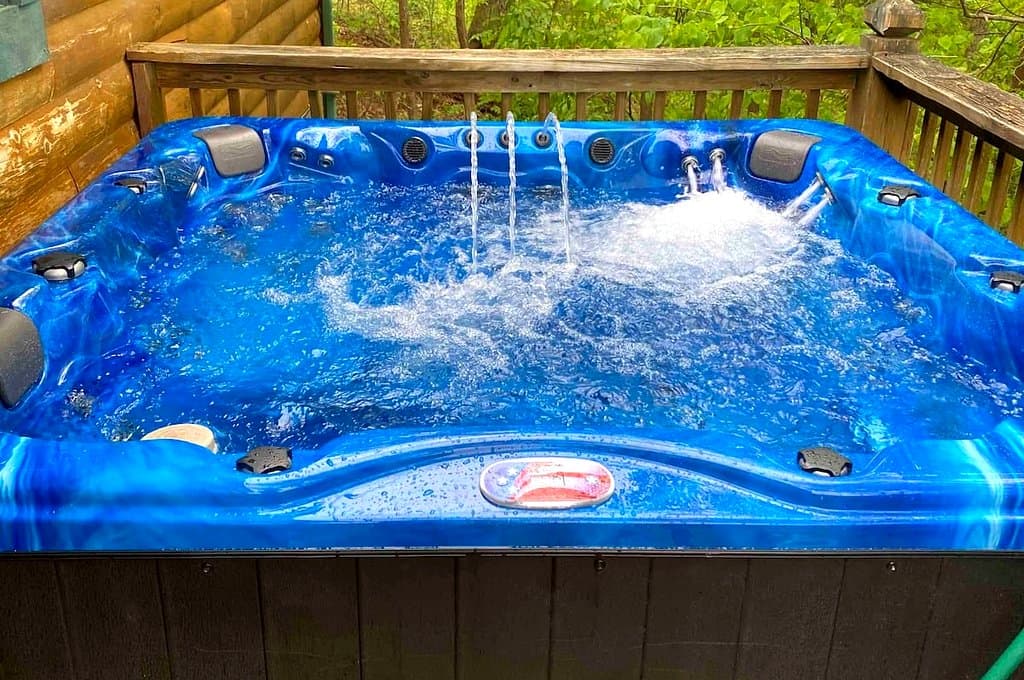
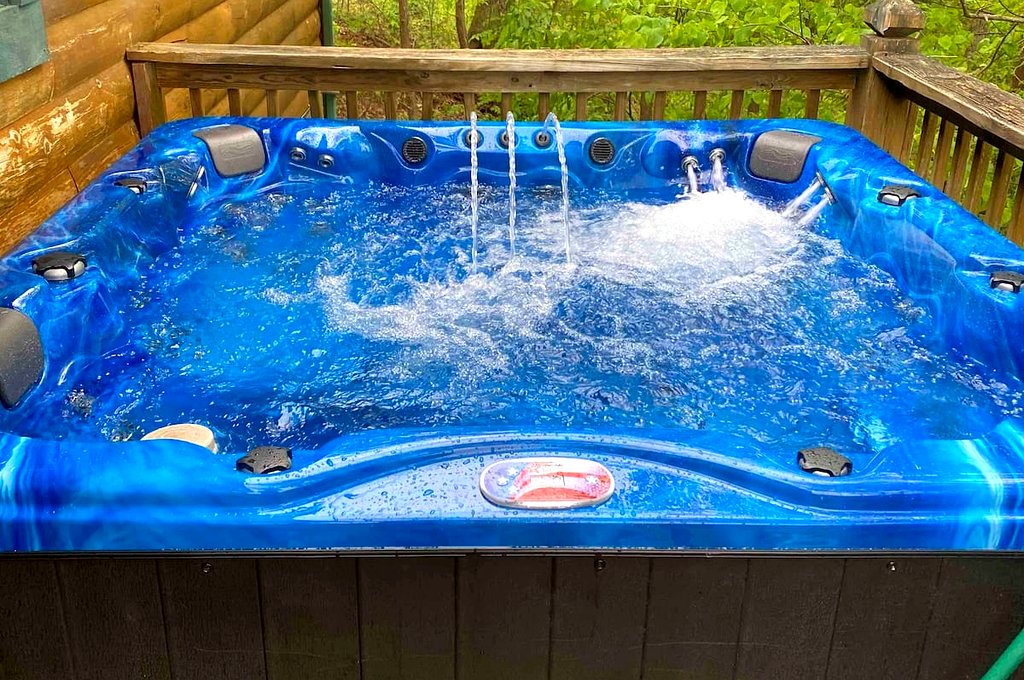 56-Jet Luxury SpaBluetooth, subwoofer, LED waterfall.
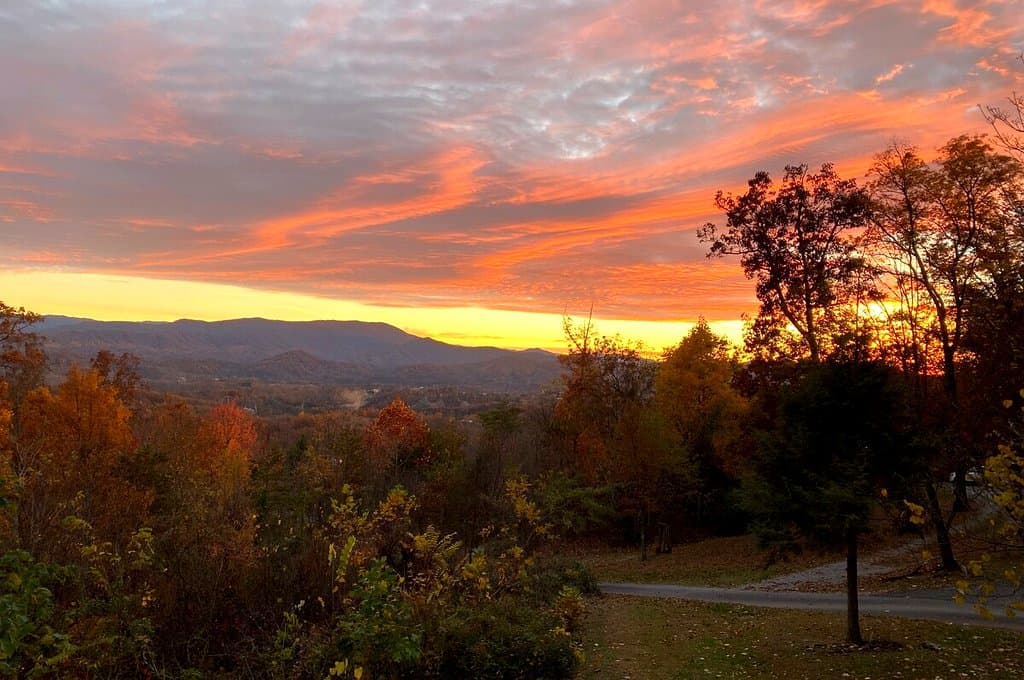
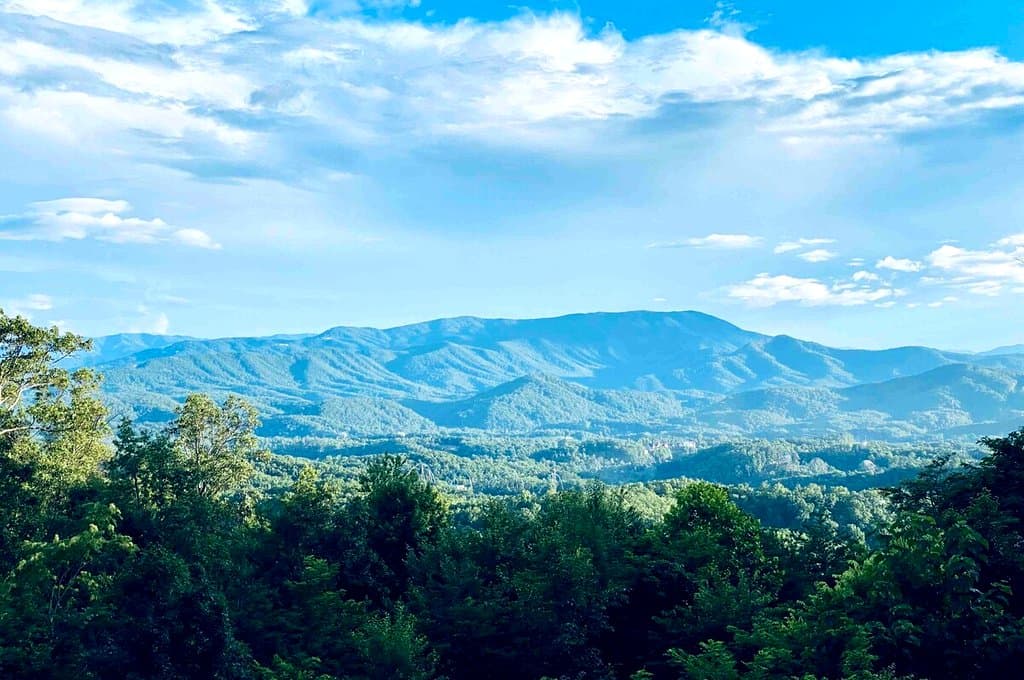
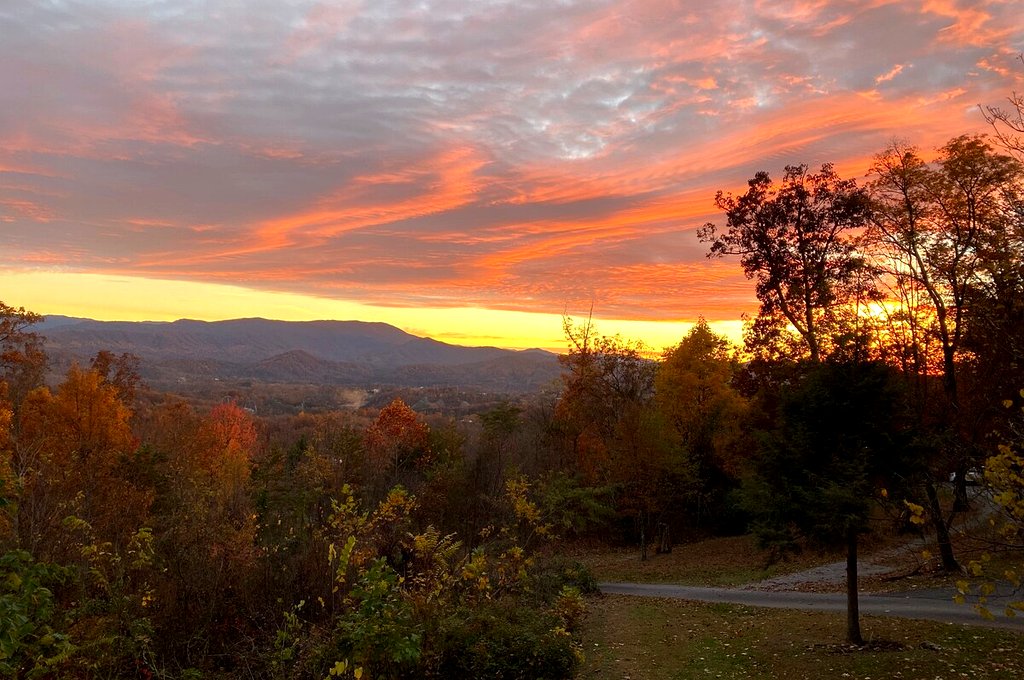 Mountain-View EveningsWatch the evening light change over the mountain ridges.
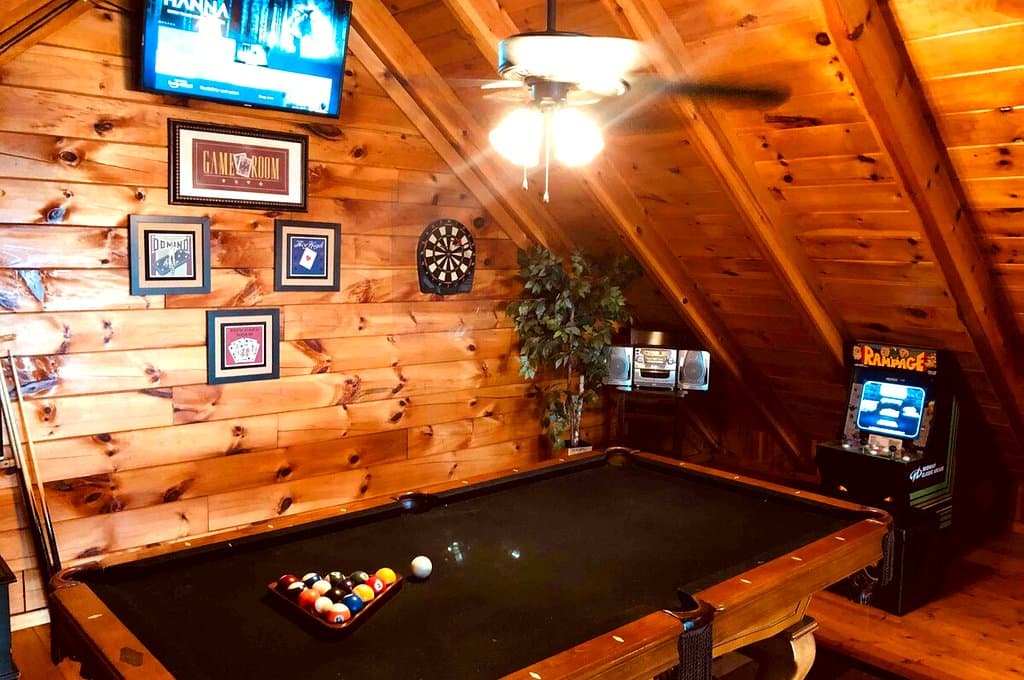
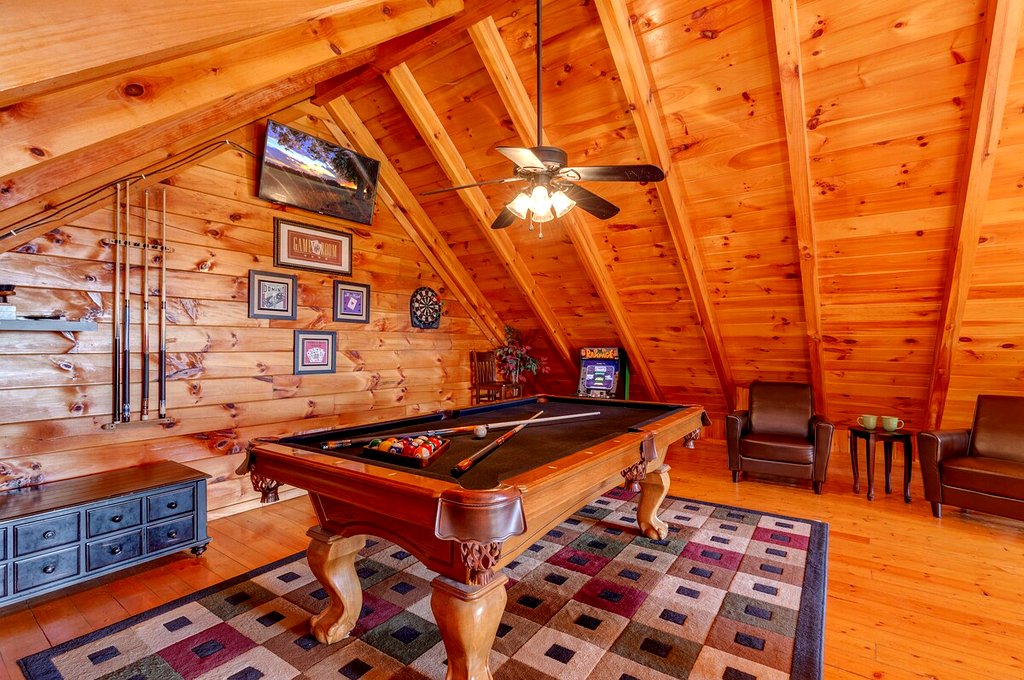 Game RoomPool table, arcade, darts, Xbox.
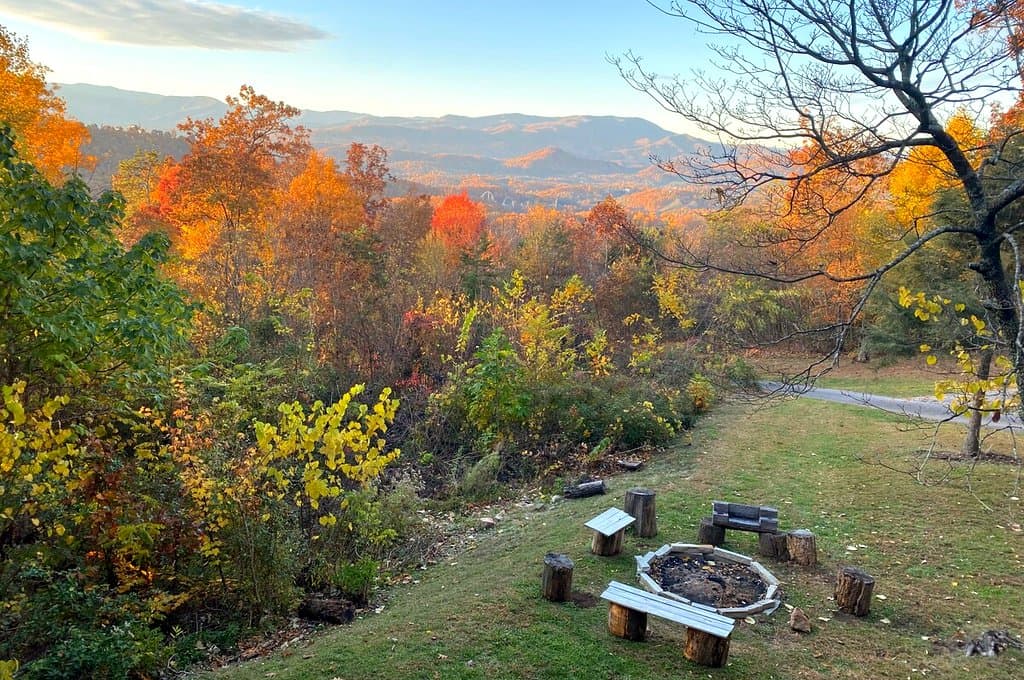
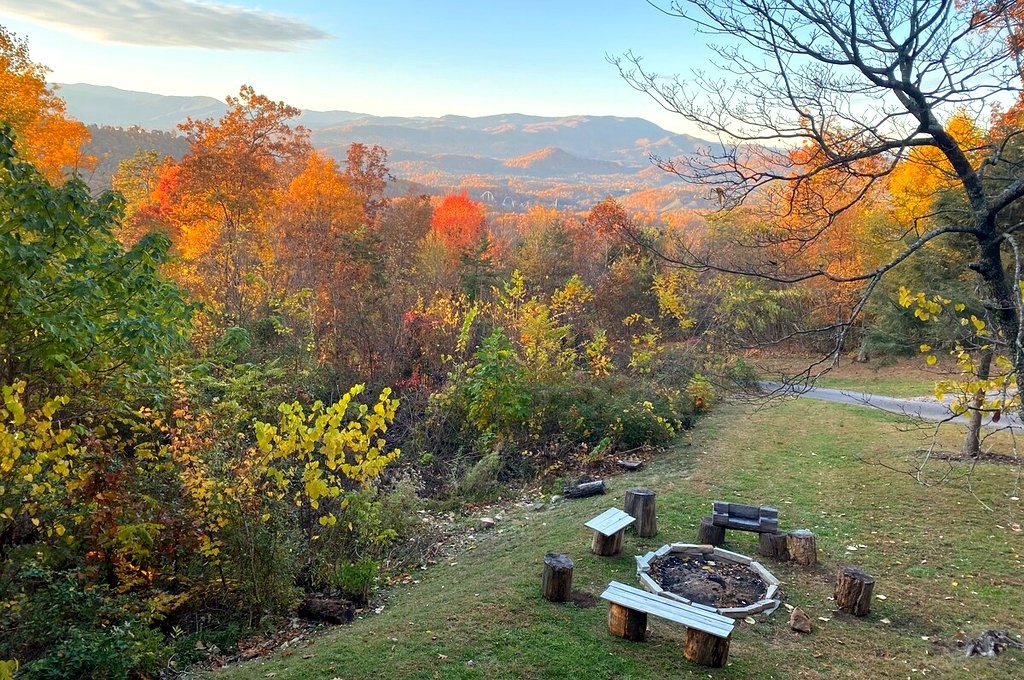 Mountain-View Fire PitS'mores with a ridgeline backdrop.
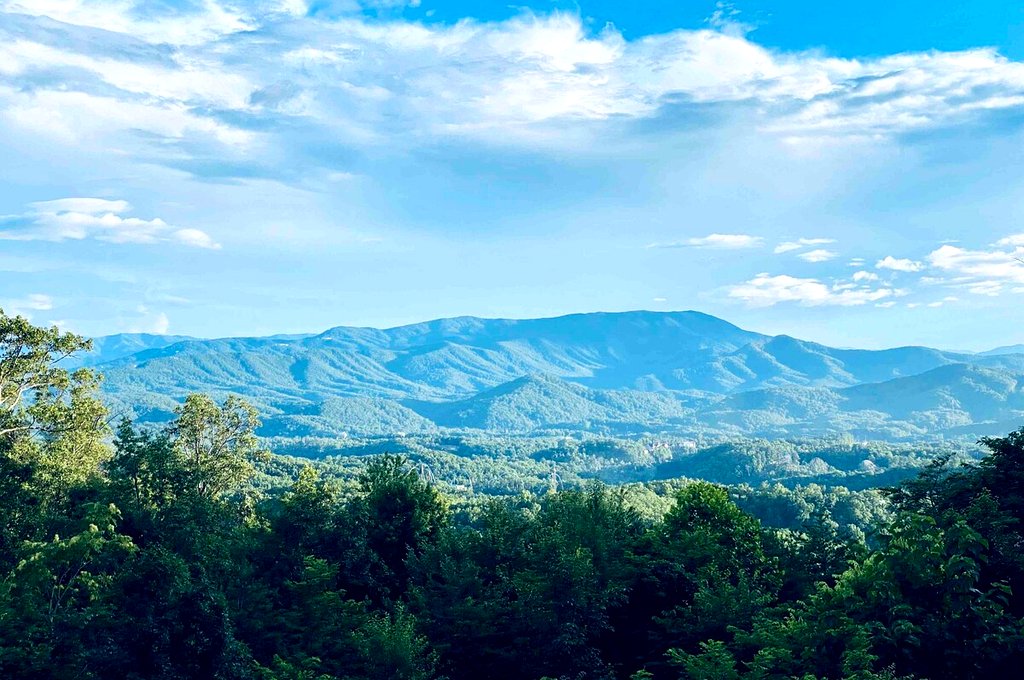 One Private AcreNo neighbors on three sides, 800 forest acres around you.
Is Gatlinburg or Pigeon Forge safer?
Both are tourist towns that depend on visitors feeling comfortable, and both are patrolled accordingly. The risk profiles simply differ. Gatlinburg concentrates pedestrians on narrow sidewalks with fewer high speed lanes, while Pigeon Forge has wider, faster roads and more parking lot crossings. Gatlinburg's steeper terrain and older cabin roads can be harder in winter weather. Neither answer changes the practical takeaway: watch the traffic, lock the car, and vet your lodging access road.
Why is Pigeon Forge a tourist trap?
Because the Parkway is designed to sell you something every hundred yards, and some of it is overpriced. That is a value complaint, not a safety complaint. The fix is easy: pick two or three anchor attractions, then fill the rest of your trip with the things locals actually do. Patriot Park, the Old Mill district, the greenway walk, the free Dollywood parking tram, and the national park itself cost little or nothing. Our post on whether Pigeon Forge is kid-friendly lists the cheap kid friendly options and the hidden gems worth the drive.
Do visitors from all backgrounds feel welcome here?
Pigeon Forge draws an international crowd, and attraction staff here interact with visitors from all over the world every single day. Most families report ordinary, friendly tourist town treatment. If you want the most predictable experience, stick to the main attraction corridors, Dollywood, and the national park, which is exactly where the overwhelming majority of visitors spend their time anyway. You can read more about the town's history and visitor economy on its Wikipedia page.
So, is Pigeon Forge safe for families overall?
Yes. Is Pigeon Forge safe for families in the way parents hope, meaning can you relax here, comes down to three choices you make before arrival: when you drive the Parkway, how you handle water and wildlife, and where you sleep. Handle those and this is one of the easiest family destinations in the Southeast.
Where the Safety Question Actually Gets Answered
The families who leave here relaxed are not the ones who found a magically risk free town. They are the ones who built quiet into the schedule. They cross at the light. They leave the park at two, not at nine. They pick a place to stay where the driveway is not an event and the kids can be loud outside without bothering anyone.
That is the whole strategy. A secluded acre with no neighbors on three sides, less than a mile from Dollywood, two bedrooms and two bathrooms for a party of up to six, and a deck facing south toward the park for the evenings when the shows are running. Close enough to leave when the kids are done. Far enough that bedtime is actually quiet.
One planning note: the default minimum stay here is three nights, which honestly suits family trips better anyway. Two days is not enough time to do Dollywood, see the mountains, and still have a slow morning on the deck with coffee.
If you want quick Dollywood access without the Parkway noise, the steep gravel driveway, or the bathroom queue, check the calendar and lock in your dates before peak weeks fill.
Start Planning Your Trip