
 Thistle Britches
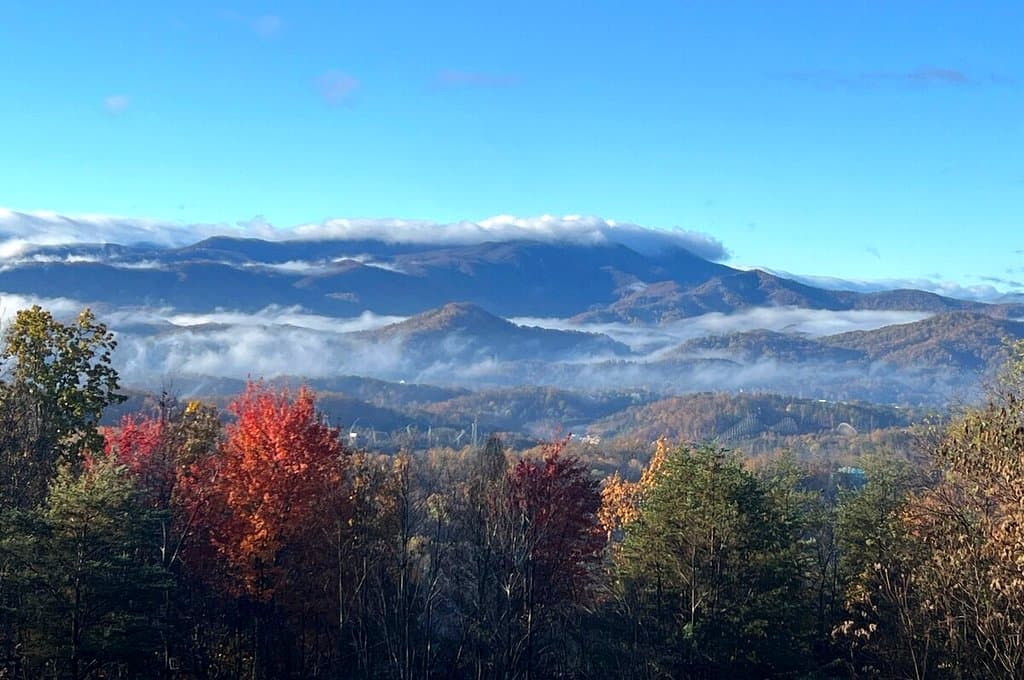
At 7:15 on an October morning, the fog sits in the hollow below the deck like poured milk, and you can just make out the top of the Wild Eagle coaster track over at Dollywood, 0.8 miles south as the crow flies. By 9:00 the fog has burned off, the Parkway is already stacked with cars heading toward the national park, and you are either sipping coffee on a quiet acre or sitting in traffic wondering where your vacation went. That gap, between a relaxed morning and a rushed one, is almost always a question of trip length.
So, how many days do I need in the Smoky Mountains? It is the question we hear most from people planning their first trip to this corner of East Tennessee, and the honest answer depends less on a magic number and more on what you came here to do. A couple chasing overlooks and trailheads needs a different calendar than a family splitting time between Dollywood and Cades Cove. What follows is the version a neighbor would give you over the fence: real drive times, real seasonal quirks, and the trip lengths that actually work.
Key Takeaways
- Three to four nights is the sweet spot. It gives you one full park day, one town or Dollywood day, and one slow day without feeling like a logistics exercise.
- Two nights is a taste, not a trip. With arrival and departure travel eaten out of both ends, you realistically get one usable day.
- Drive time is the hidden cost. Cades Cove, Newfound Gap, and the Roaring Fork loop are each half-day commitments from the Pigeon Forge side.
- A week pays off if you want the quiet side, meaning Greenbrier, Tremont, Townsend, and sunrise hikes most visitors never reach.
- Where you sleep changes how many days you need. A base close to the park entrance and to Dollywood buys back an hour or more of daylight per day.
How Many Days Do I Need in the Smoky Mountains? Start With the Driving
People underestimate this region because the map makes it look compact. Great Smoky Mountains National Park covers more than half a million acres across Tennessee and North Carolina, and the National Park Service notes it is the most visited national park in the country. Most of that traffic funnels through two gateway corridors, and you will be sharing them.
From the ridge just outside Pigeon Forge, Sugarlands Visitor Center sits about 12 miles out, which is roughly 25 minutes on a quiet morning and closer to 50 in peak season afternoons. Cades Cove is a longer haul: the drive down Little River Road plus the 11-mile one-way loop regularly turns into a four to five hour round trip once you factor in photo stops and a black bear jam. Newfound Gap Road up to the state line is about an hour each way, and if you add Kuwohi, formerly called Clingmans Dome, plan a solid half day.
Lay those blocks on a calendar and the arithmetic answers itself. One park destination per day is a comfortable pace. Two is possible if they are adjacent, like pairing Metcalf Bottoms with the Walker Sisters homestead trail. Three is how people end up eating gas station sandwiches at 4pm and swearing the mountains were overrated.
So when someone asks how many days do I need in the Smoky Mountains, I start by asking how many of those half-day blocks are on their wish list. Park day, Dollywood day, town day, lazy day. Four blocks, four nights, no heroics required.
Trip Length, Night by Night
Two Nights: A Taste
A two-night stay works for drive-in guests from Knoxville, Nashville, Asheville, or Atlanta who are using the mountains as a reset rather than a full vacation. You arrive late afternoon, you get one true day, and you leave mid-morning. Spend that single day entirely inside the park. Drive Little River Road, walk to Laurel Falls or Cataract Falls, picnic at Metcalf Bottoms, and be back for a grill dinner before dark. Do not try to add Dollywood to a two-night trip unless you are willing to skip the park entirely.
Worth knowing: most cabins in this area, including ours, run a three-night default minimum, with two-night windows opening only on specific approved dates. One-night stays are not a thing up here. If a short trip is all your schedule allows, check the calendar early rather than assuming flexibility.
Three Nights: The Classic Smoky Mountains Itinerary
The 3-day Smoky Mountains itinerary is popular for a reason. Day one goes to the national park, day two goes to Dollywood or the Parkway attractions, and day three is yours: a short trail, a long breakfast, an afternoon in Gatlinburg's arts and crafts loop. Three nights also happens to be the length where the drive feels worth it from a 5 to 7 hour origin city.
Four Nights: The One Locals Recommend
Four nights adds the thing three nights cannot: a day with nothing scheduled. That is the day guests remember. It is the morning you drive out to Townsend, the peaceful side of the Smokies, and float the Little River in the afternoon. It is the evening you stay in and watch the ridgeline go purple instead of fighting for a dinner table. If you are weighing how many days you need for Pigeon Forge specifically, four nights is where the town and the park stop competing with each other.
A Week: For the Quiet Side
Seven nights changes the trip from sightseeing to living here briefly. You will have time for Greenbrier and Tremont, for the Roaring Fork Motor Nature Trail at 8am before the crowds, for an Alum Cave Trail attempt toward Mount LeConte, for Cataloochee on the North Carolina side where the elk graze at dusk. A week is also when hidden gems start showing up on their own, like the Elkmont ghost cabins or a swimming hole you find because you finally had the time to pull over.
The Mistake That Wrecks Most First Trips
The number one planning error is not picking the wrong number of nights. It is booking a place that quietly steals an hour or two from every single day you did book. Guests arrive, settle into a cabin 25 minutes up a switchback road from the Parkway, and suddenly every trip back for a nap, a swimsuit change, or a forgotten stroller costs 50 minutes round trip. On a three-night trip, that is a half day gone to pavement.
The second version of this mistake is booking for noise. A cabin stacked twelve feet from the next deck means the hot tub conversation next door becomes your 11pm entertainment, and the kids who finally wore out at Splash Country get woken up at dawn. People came for the mountains and ended up in a parking lot with a view.
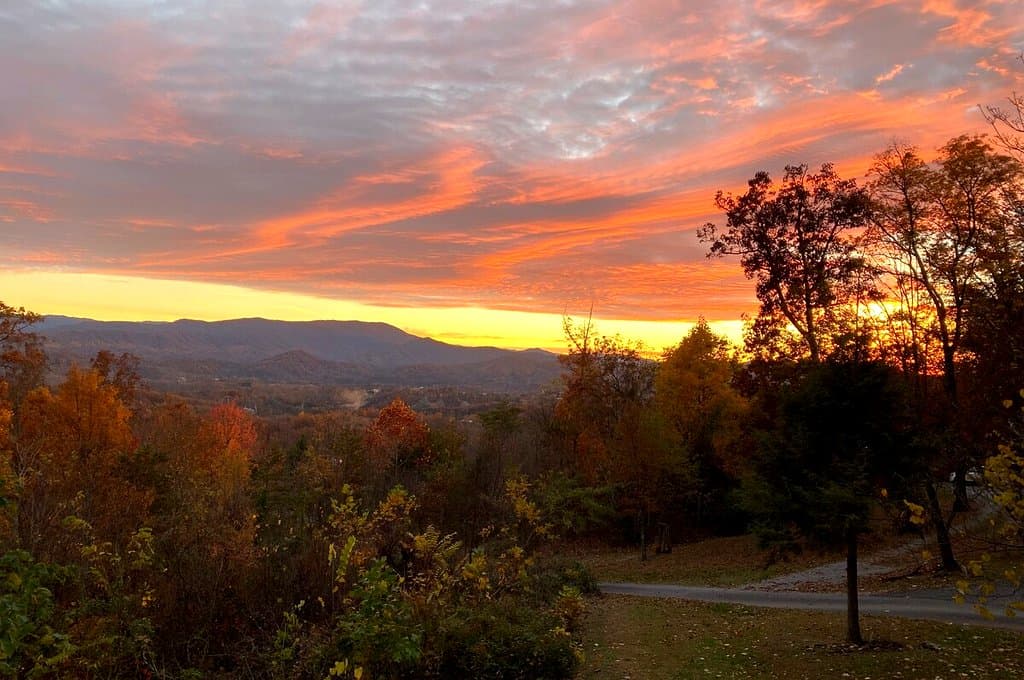
What to look for instead: proximity measured in minutes, not miles, plus actual separation from neighbors. Our place sits on a single secluded acre with no neighbors on three sides, about four minutes by car from the Dollywood and Splash Country gates. The south-facing deck looks toward Dollywood, which means during the seasonal, scheduled fireworks and drone shows you can watch from a rocking chair instead of from the exit traffic. That is the practical difference. Not luxury, just daylight you get to keep.
Sleeping arrangements matter for the same reason. Two bedrooms with king beds plus three queen fold-out couches handles up to six guests without anyone drawing the short straw, and two full bathrooms keep a 7am park departure from turning into a negotiation. The internet runs 321 Mbps over T-Mobile 5G home internet, which is enough for a remote work morning before an afternoon hike, and there is a propane grill on the deck for the night nobody wants to drive back to the Parkway.
Three nights, four nights, or a full week. Pick your dates while they are open and start the trip four minutes from Dollywood instead of thirty.
Book Your StayHow to Split Your Days Between the Park, Pigeon Forge, and Gatlinburg
Once you have a number of nights, the next question is allocation. A workable rule: give the national park at least half of your full days, give the towns the rest, and never schedule a park day and a Dollywood day back to back without a slow morning in between.
Pigeon Forge is the attraction and family corridor. Dollywood, dinner shows, go-karts, mini golf, and a steady stream of free things for kids between the paid stops. Gatlinburg is denser and more walkable, with the aerial tramway, Ober Mountain, the Sugarlands entrance right at the edge of town, and the Great Smoky Arts and Crafts Community loop out Glades Road. Townsend is the quiet third option and the best access point for Cades Cove.
A clean four-night split looks like this. Day one: arrive, grill dinner, deck, sleep. Day two: full park day via Little River Road or Newfound Gap. Day three: Dollywood from opening until the evening show. Day four: slow morning, then Gatlinburg or Townsend, back early. Day five: breakfast and head home. Nobody is rushed, nothing is skipped, and you still had one unplanned afternoon.
If your group leans toward trails and overlooks over coasters, flip the ratio. Two park days, one town day, and a reserve morning for weather. Rain here is frequent and localized, and the waterfall hikes are often better in a drizzle than in full sun. For a shortlist of what to prioritize once you are inside the boundary, our rundown of the top things to do in the national park covers the ones worth your limited hours.
Frequently Asked Questions
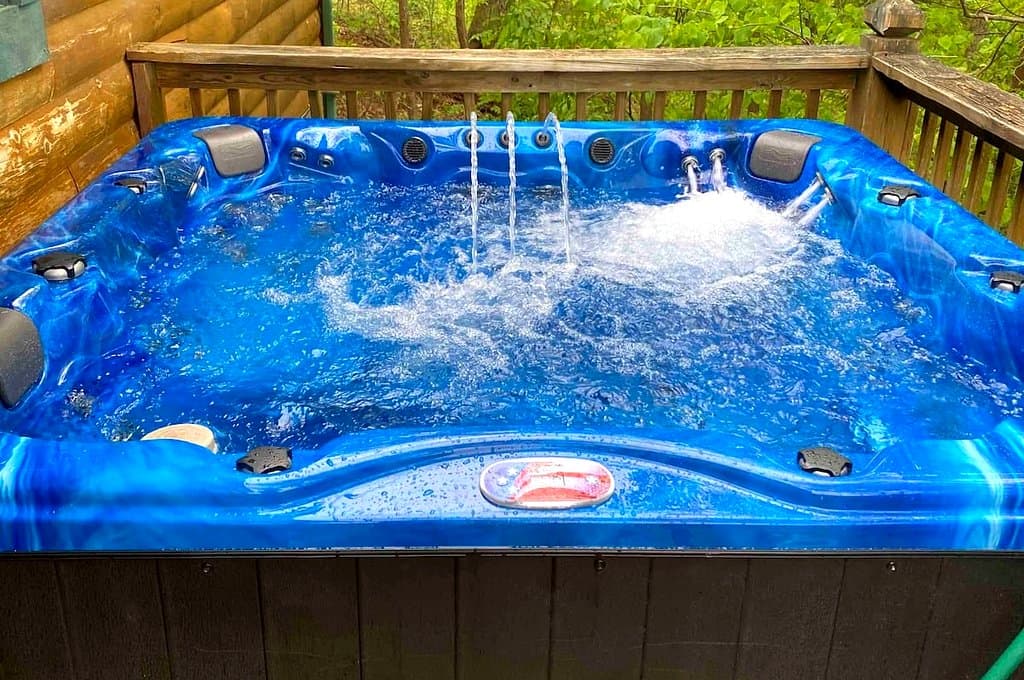
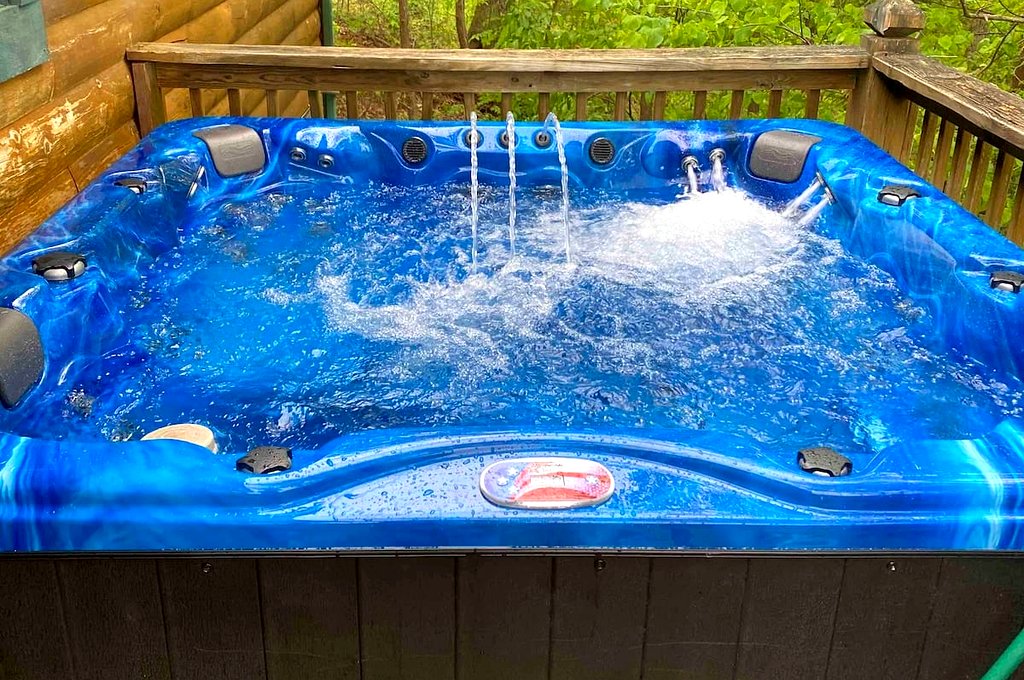 56-Jet Luxury SpaBluetooth, subwoofer, LED waterfall.
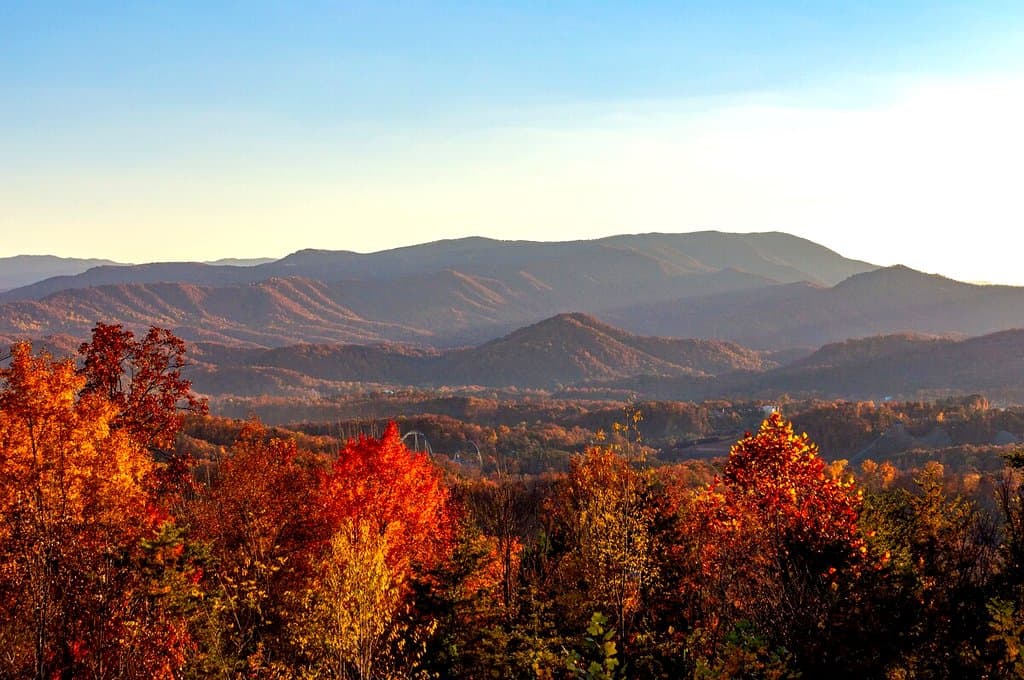
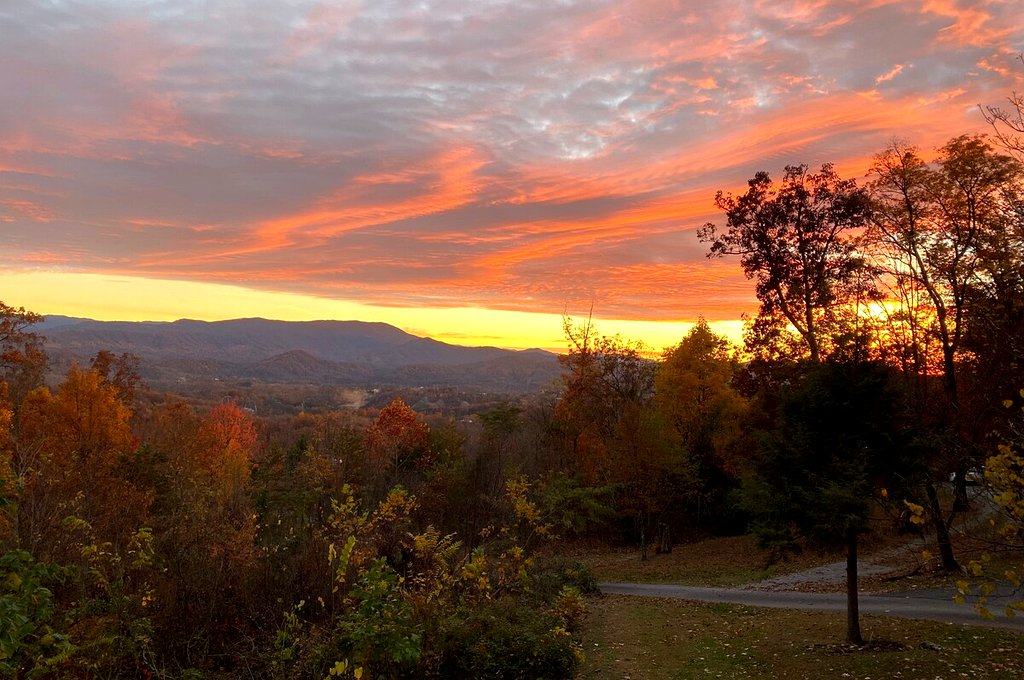 Mountain-View EveningsWatch the evening light change over the mountain ridges.
 Game RoomPool table, arcade, darts, Xbox.
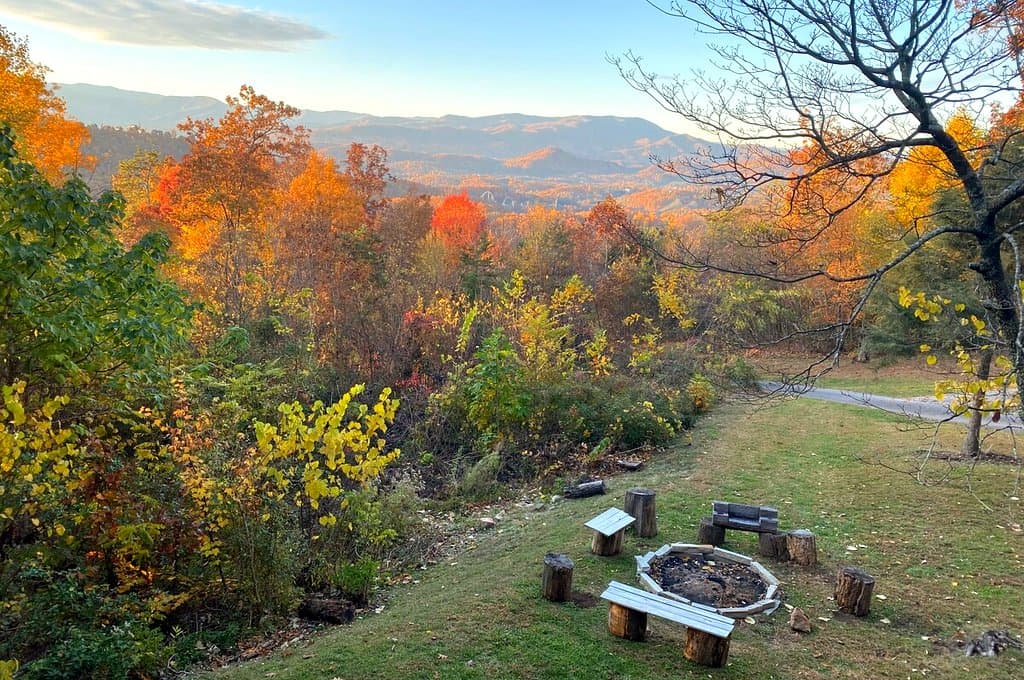
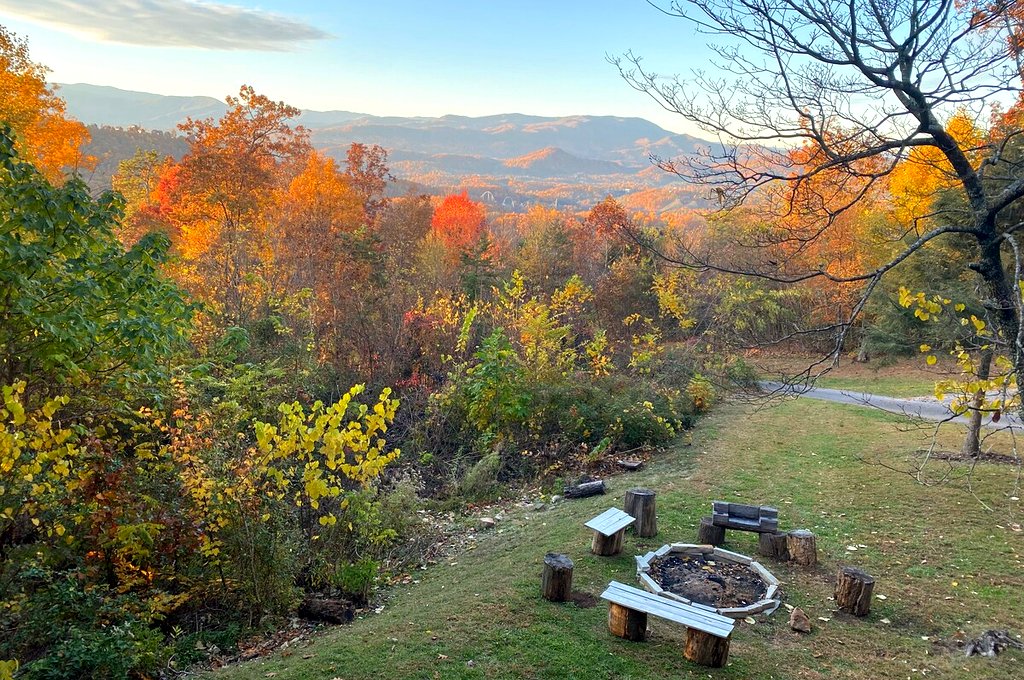 Mountain-View Fire PitS'mores with a ridgeline backdrop.
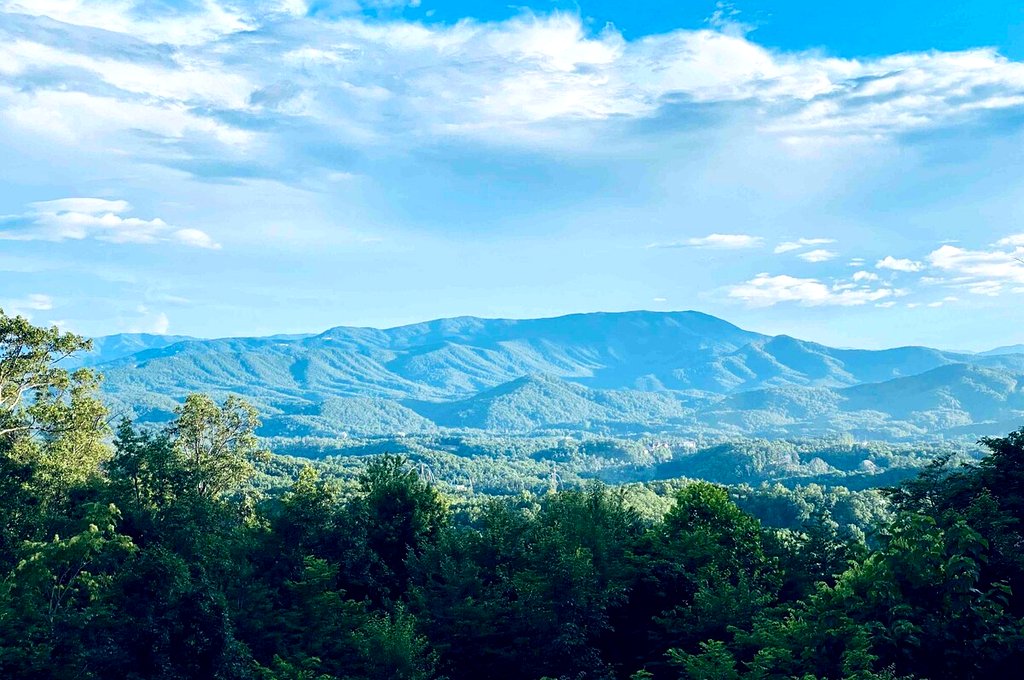 One Private AcreNo neighbors on three sides, 800 forest acres around you.
How many days should you spend in the Great Smoky Mountains?
For the national park alone, three full days lets you see the three main corridors: the Little River Road and Cades Cove side, the Newfound Gap and Kuwohi side, and the Roaring Fork and Gatlinburg side. If you are combining the park with Pigeon Forge attractions, add a day per attraction day. Four nights covers most first visits comfortably, and a week is the right call if you want sunrise hikes and the less-trafficked areas like Greenbrier and Cataloochee.
How many days is enough for Pigeon Forge?
Two full days handles Dollywood plus one other major attraction, and three full days covers Dollywood, Splash Country in summer, and a dinner show or the go-kart and mini golf stretch of the Parkway. Families with younger kids often do better spreading those days out across a four-night stay rather than stacking them, because the back-to-back park days wear everyone down faster than parents expect.
Which is nicer, Gatlinburg or Pigeon Forge?
Neither one wins outright; they are built for different trips. Gatlinburg is walkable, closer to the Sugarlands park entrance, and better if you want to leave the car parked. Pigeon Forge is wider, easier to drive and park in, and better for families who want Dollywood and attraction variety. We break the comparison down further in our take on whether three days in Gatlinburg is worth it, which gets into the lodging and crowd differences too.
What is the best month to go to the Smoky Mountains?
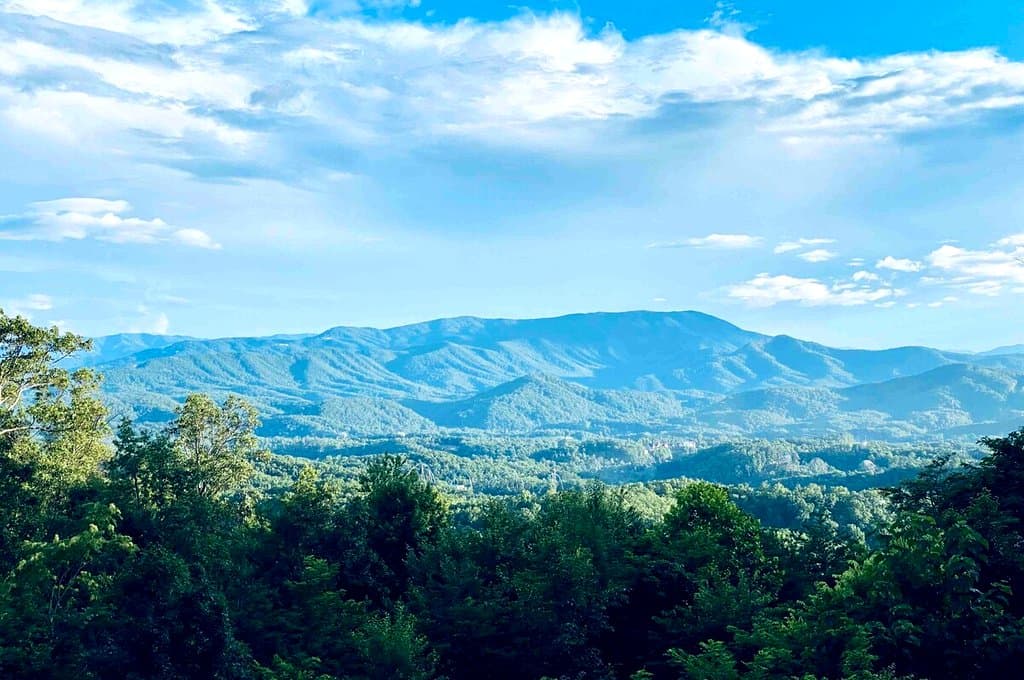
Late April through mid-May is the local favorite: wildflowers are peaking, the waterfalls are running full, and the summer crowds have not arrived. October is the most beautiful and the most congested, with color moving down from the high elevations through the month. September and early November are the underrated windows, with mild days and far shorter waits. Winter brings bare-branch views you cannot get any other season, though higher roads like Newfound Gap close during storms.
Do I really need three nights, or can I book two?
The default minimum stay here is three nights. Two-night stays are only possible when a date-specific rule has been approved and is active on the calendar, and one-night stays are never available. Practically speaking, two nights gives you a single usable day in a region where single destinations eat half a day each, so three or four nights is the better value even setting the policy aside.
Picking Your Number
If you remember one thing from all this, make it the half-day block math. Count the things you genuinely want to do, assume each major one claims half a day plus drive time, add one unscheduled morning, and that is your trip. For most people the honest answer to how many days do I need in the Smoky Mountains lands on three or four nights, with a week reserved for the folks who want the park's quieter corners rather than its highlight reel.
And whatever number you choose, protect it. The difference between a good trip and a great one is rarely an extra attraction. It is the hour you did not spend driving back up a mountain, and the evening you spent on a quiet deck watching the ridge go dark over Dollywood.
If you want three or four nights that actually feel like three or four nights, not half of them spent on the road, lock in your dates now. One cabin, one secluded acre, two bedrooms and two baths for up to six guests, four minutes from the Dollywood gates.
Start Planning Your Trip