
 Thistle Britches
The best Smoky Mountain days start before the coffee shops open. Around 6:45 a.m., fog still sits in the low pockets between ridges above Dollywood, and the light behind the mountains turns from bruise-blue to soft gold. You can hear a single crow, then nothing. That quiet, thirty minutes of it, is the part most first-time visitors miss because they sleep in and then hit the Parkway at 10 a.m. with everyone else.
So how can I spend a day in the Smoky Mountains without spending half of it in a left-turn lane? After years of hosting families, couples, and remote workers just outside Pigeon Forge, I have a rhythm that works in almost every season. It leans on early starts, one committed hike or scenic drive, a long lunch, an unhurried afternoon back at the cabin, and a front-porch finish. No hero itineraries. No twelve stops. Just a real day.
Here is the hour-by-hour version, plus the mistakes that quietly ruin most first trips.
Key Takeaways
- Leave the cabin by 7 a.m. to beat traffic into Great Smoky Mountains National Park. The Sugarlands entrance backs up hard after 9.
- Pick one anchor experience for the morning: a short hike, Cades Cove loop, or Newfound Gap drive. Do not stack three.
- Eat a real lunch in Gatlinburg or back near Pigeon Forge, then return to the cabin for the hottest, most crowded part of the afternoon.
- End on the deck. The Dollywood fireworks and nightly drone show close the day better than any restaurant reservation.
Sunrise to 9 a.m., The Window That Changes Everything
The single biggest lever on a Smoky Mountains day is your start time. If you are on a trailhead by 7:30 a.m., you have parking, cool air, and roughly two hours before the first tour bus shows up. If you roll out at 10, you are hunting for a spot at Laurel Falls with a hundred other cars, and the whole day tilts sideways.
From the Pigeon Forge area, the Sugarlands entrance to the park is about twenty minutes down the Spur through Gatlinburg. In the shoulder seasons the Spur is quiet at dawn. In peak summer and October leaf weeks, that same drive can hit forty-five minutes by mid-morning, which is why the early window matters so much.
Grab coffee at the cabin, not in town. Pack a real breakfast: bagels, fruit, something with protein. You will thank yourself two miles up a trail when you are not shaky. If you are staying somewhere with a stocked kitchen, use it. That one habit saves you an hour of sit-down breakfast time you can spend on the mountain instead.
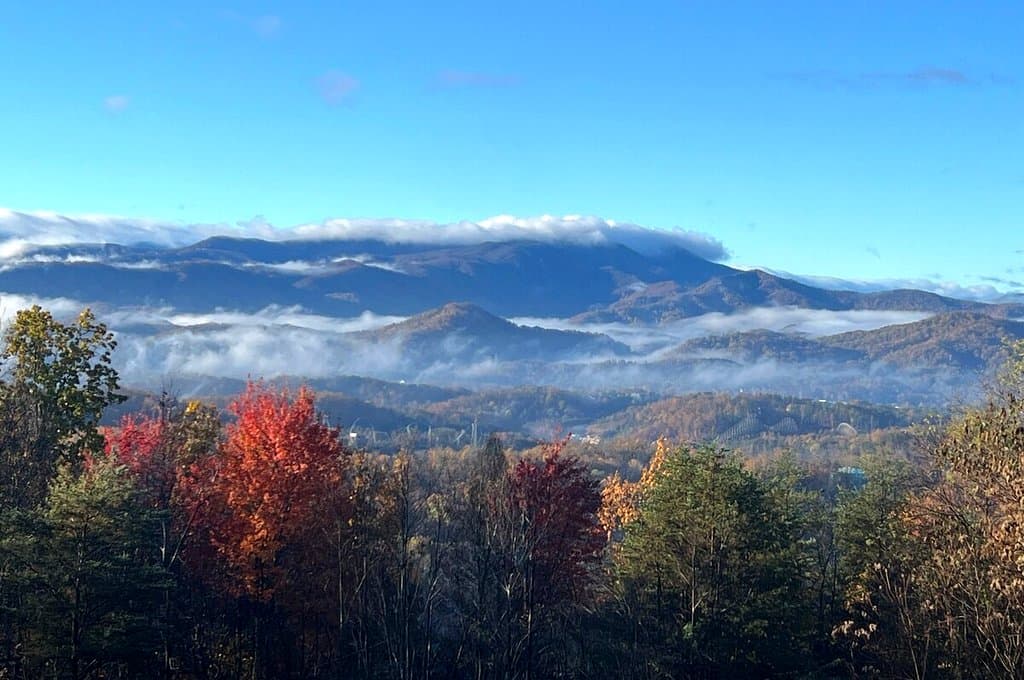
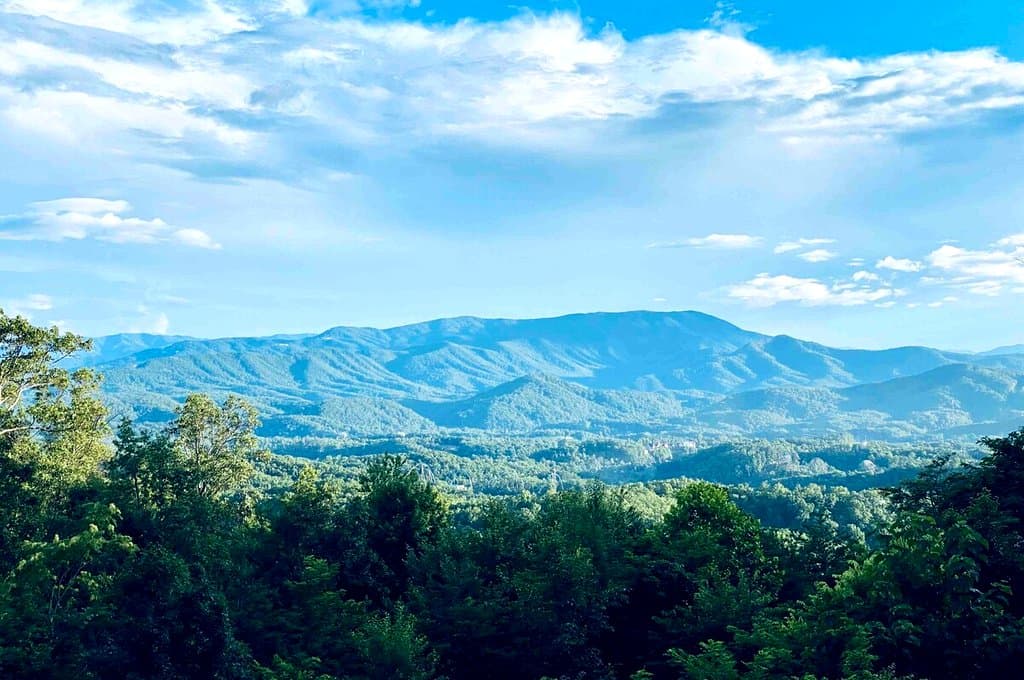
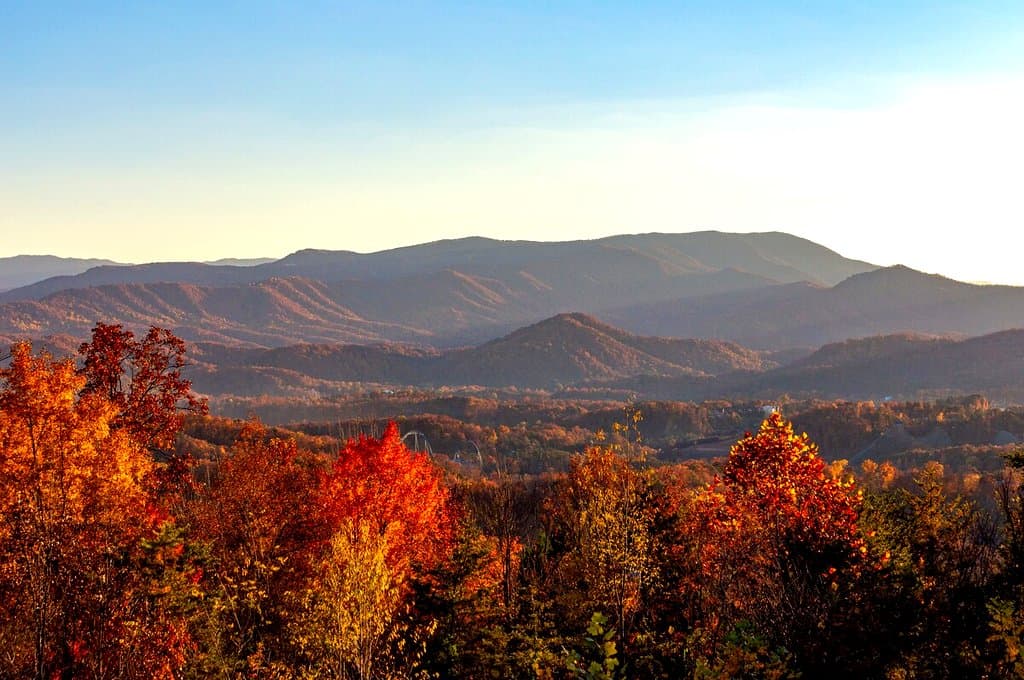
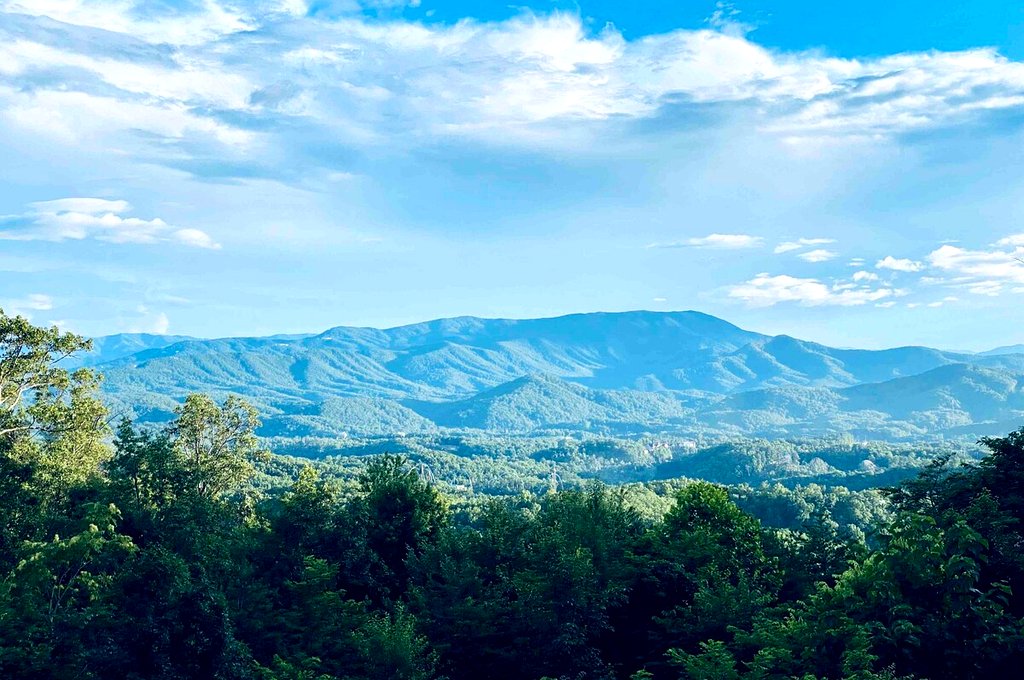
Actual view from Thistle Britches, with clouds among the mountain ridges.
How Can I Spend a Day in the Smoky Mountains? Pick One Anchor
The trap I watch first-timers fall into is trying to see everything in one day. Cades Cove. Clingmans Dome. Roaring Fork. A waterfall hike. Downtown Gatlinburg. It does not fit. The park is bigger and slower than it looks on the map, and mountain miles are not interstate miles.
How can I spend a day in the Smoky Mountains and actually enjoy it? Choose one anchor for the first half of the day. Here are the three I recommend most often, based on what guests come back raving about.
Anchor A: A Short, Real Hike
Laurel Falls is the famous one, and it is genuinely pretty, but it is paved and busy. If you want the postcard, go early. If you want quieter, try Grotto Falls off the Roaring Fork Motor Nature Trail, roughly three miles round trip, and you get to walk behind the waterfall. Bring proper shoes. Flip-flops are the number one reason people limp back to the trailhead.
Anchor B: Cades Cove Loop
Cades Cove sits on the far side of the park from where our cabin is, so plan for a longer drive. It is worth it once. The eleven-mile loop takes two to four hours depending on wildlife stops. Go early or you will inch along behind a line of cars trying to photograph a single bear from a hundred yards. For more ideas on lesser-known corners, our honest list of Smoky Mountains things to do covers the overlooked stops most tourists drive right past.
Anchor C: Newfound Gap Drive
If someone in the group cannot hike far, the Newfound Gap Road across the park to the North Carolina line is the move. Pull-offs the whole way, cool air at the top, and you can add Clingmans Dome as a short paved walk to the highest point in the park. This is the low-effort, high-reward option.
Lunch and the Afternoon Reset
By noon your legs are ready to sit down. This is where I break with most itineraries you will read online. Do not push through the afternoon. The park gets hot, parking gets brutal, and everyone in your group starts snapping at each other around 2 p.m.
Come back toward town for a real lunch. In Gatlinburg, the Peddler and Crockett's are old reliables. Closer to Pigeon Forge, Local Goat and the Old Mill area do a solid mid-day meal. Sit somewhere with air conditioning, order water plus something cold, and take an actual hour. You are on vacation. Nobody hands out medals for skipping lunch.
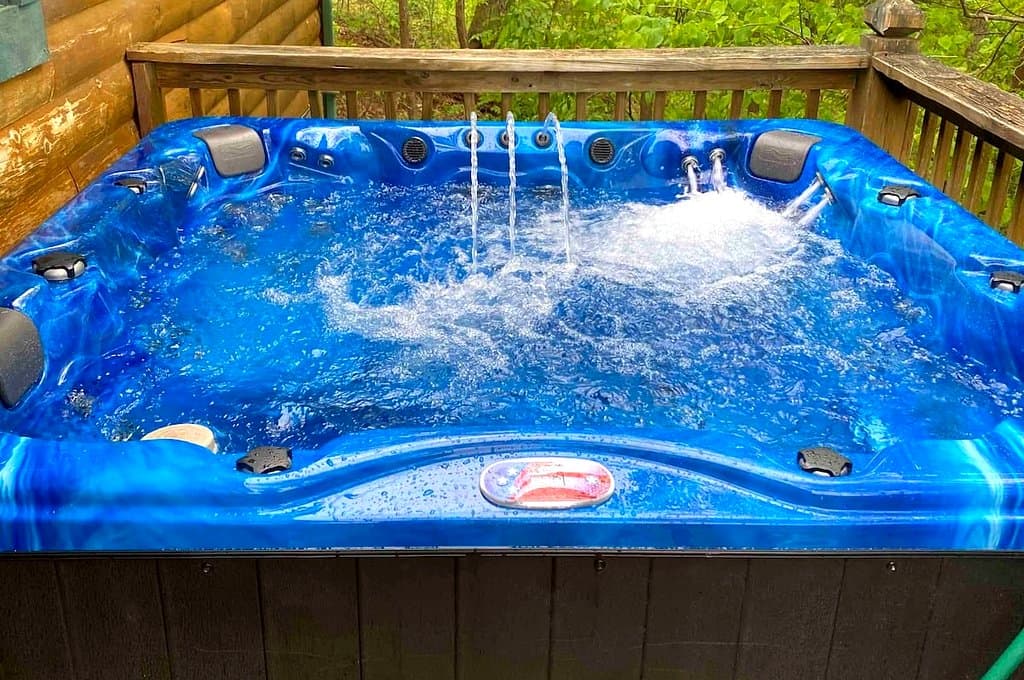
Then, and this is the part first-timers resist, go back to the cabin. Read on the deck. Nap. Get in the hot tub. Let the kids raid the game room. The afternoon reset is what separates a good Smokies day from an exhausted one. If rain rolls in, which it will at least once during a summer week, the cabin becomes the whole plan, and that is fine. Our honest local guide to a summer cabin trip gets into how to plan around Smoky Mountain weather instead of fighting it.
Want a cabin that actually earns its keep on a lazy afternoon, not just a place to sleep between activities? A private deck, a hot tub, and a stocked kitchen change what a Smokies day feels like.
Book Your StayThe Pain Point Nobody Warns You About
Here is the honest one. Most people who ask how can I spend a day in the Smoky Mountains do not actually have a park problem. They have a cabin problem. They rent a place packed shoulder to shoulder in a subdivision, hear their neighbor's TV through the wall, drive twenty minutes each way for everything, and then wonder why they feel more tired at the end of the trip than the start.
The cabin is not a hotel room you tolerate. On a Smokies trip, it is roughly a third of your waking hours. If it is loud, cramped, or has a view of another cabin's dumpster, the whole day suffers. If it has a real view, a fire pit, and enough space that a family of six is not stepping on each other, the day gets longer in the good way.
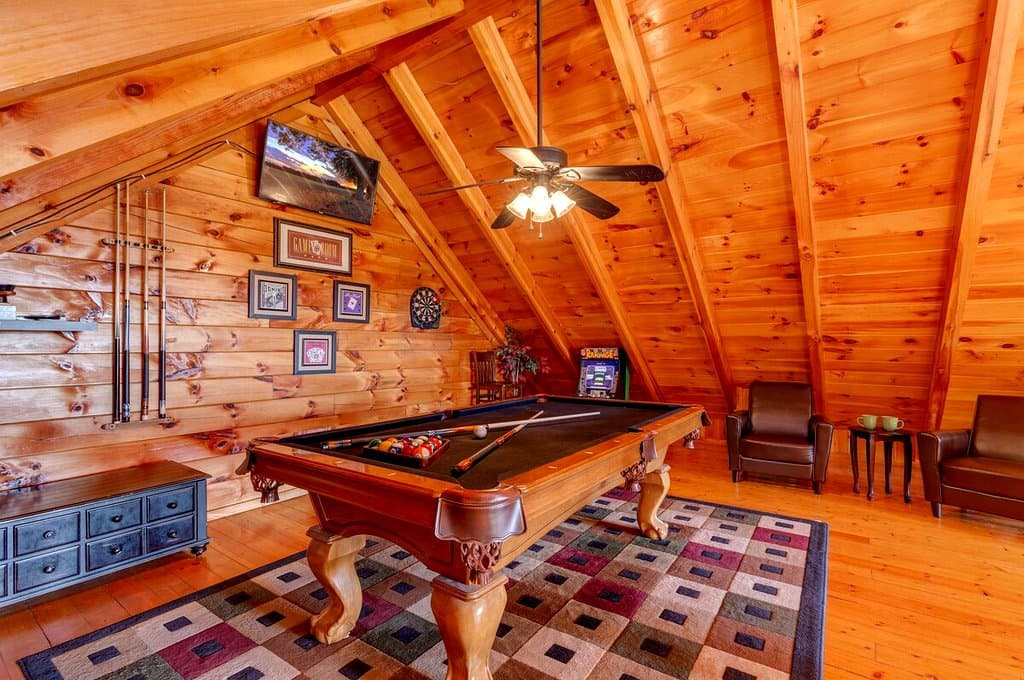
Two things I would look for, based on what guests here mention over and over. First, actual privacy. Not the marketing word, the real thing. Ask how close the next building is. If the listing dodges the question, that tells you something. Second, a workable rainy-day plan built into the property. A game room with a pool table, an arcade, or video games saves families when the ridge socks in with fog and the trails go slick. Our game room is why parents can sit on the deck with coffee instead of refereeing bored kids at 3 p.m.
The third thing, if you work from the road at all, is real internet. A lot of mountain cabins run on unreliable connections. Fast 5G home internet, in the 300 Mbps range, is unusual up here and worth asking about if you plan to take a call or upload photos without watching a spinner.
Evening, The Part That Sells the Trip
Around 5 p.m., the light starts to soften on the east side of the Smokies. This is when the deck earns its keep. Fire up the grill, pour something cold, and let the day slow all the way down. If you want one more outing, an early dinner in Gatlinburg followed by a walk on the Parkway works well, and you are back to the cabin by dark.
Here is the closer most visitors do not know to plan for. From a cabin perched above Dollywood, you can watch the park's nightly fireworks and drone show from your own deck. No parking. No shuttle. No standing in a crowd of ten thousand people. One recent guest called it the best view of the Dollywood fireworks they had ever had, and it is easily the moment first-time guests text photos of to their friends back home.
That is the difference between fighting the crowd and having front-row seats to it. The whole point of a mountain trip is to feel like the mountains are yours for a night, and this is the ten minutes that delivers on that promise.
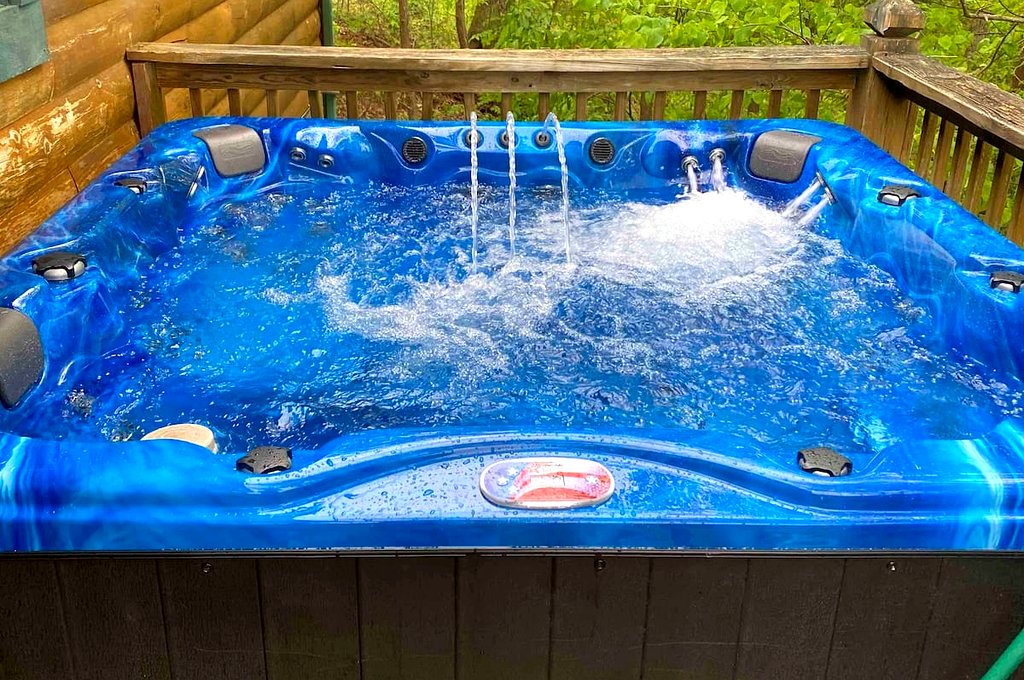 56-Jet Luxury SpaBluetooth, subwoofer, LED waterfall.
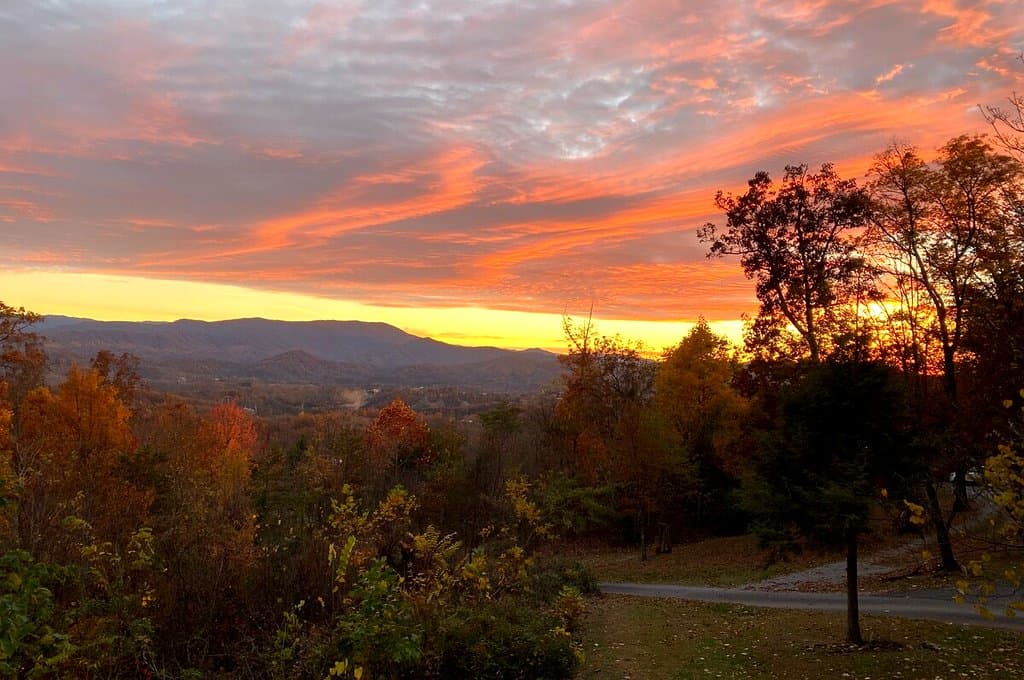
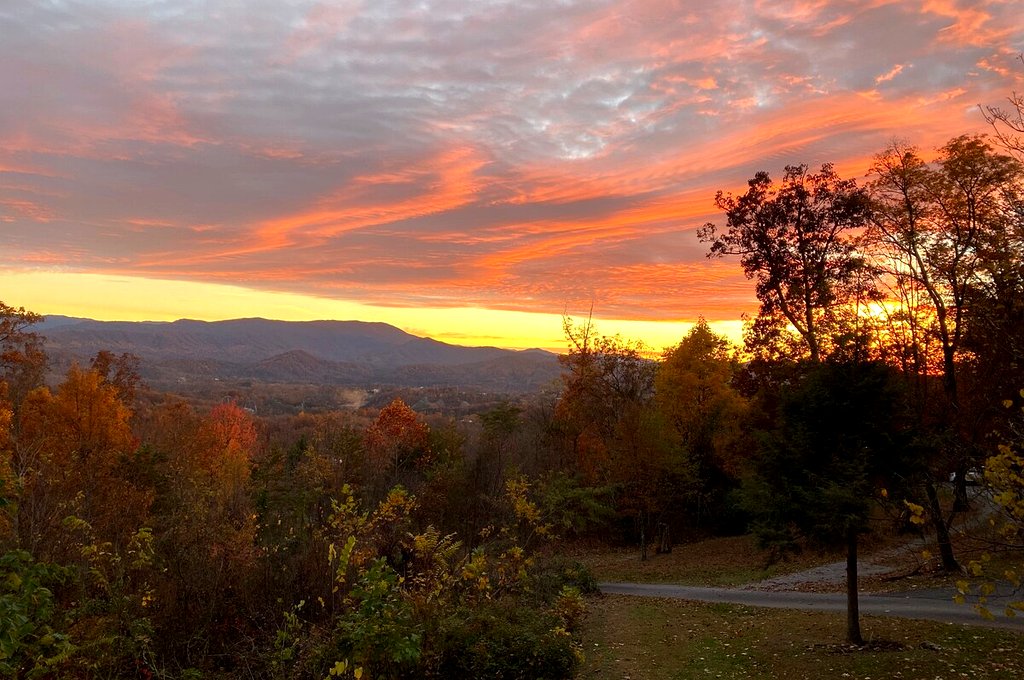 Mountain-View EveningsWatch the evening light change over the mountain ridges.
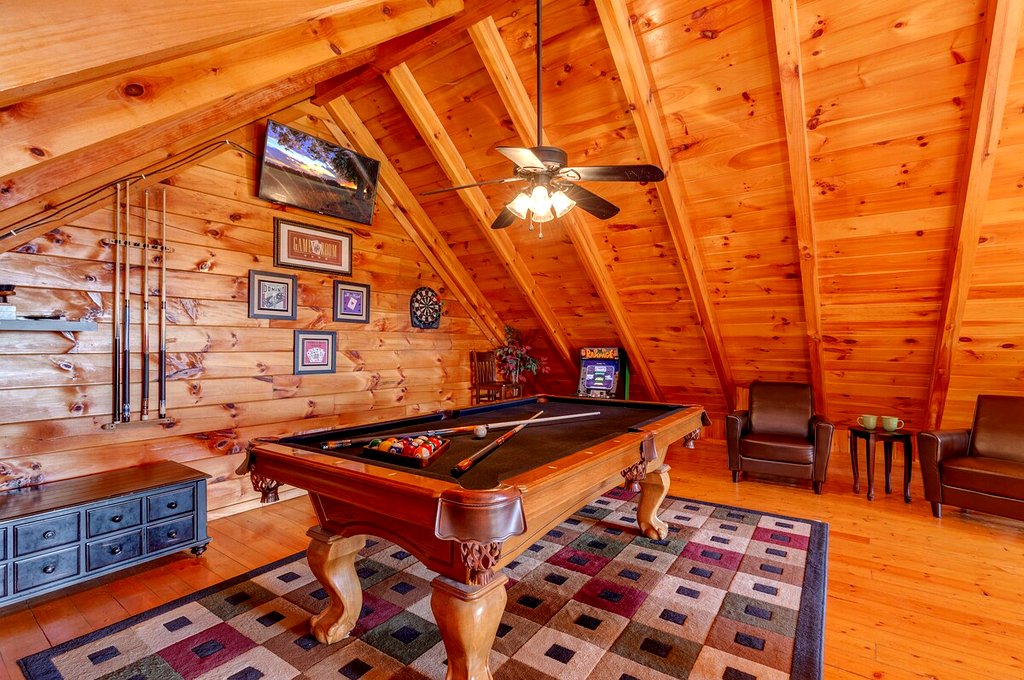 Game RoomPool table, arcade, darts, Xbox.
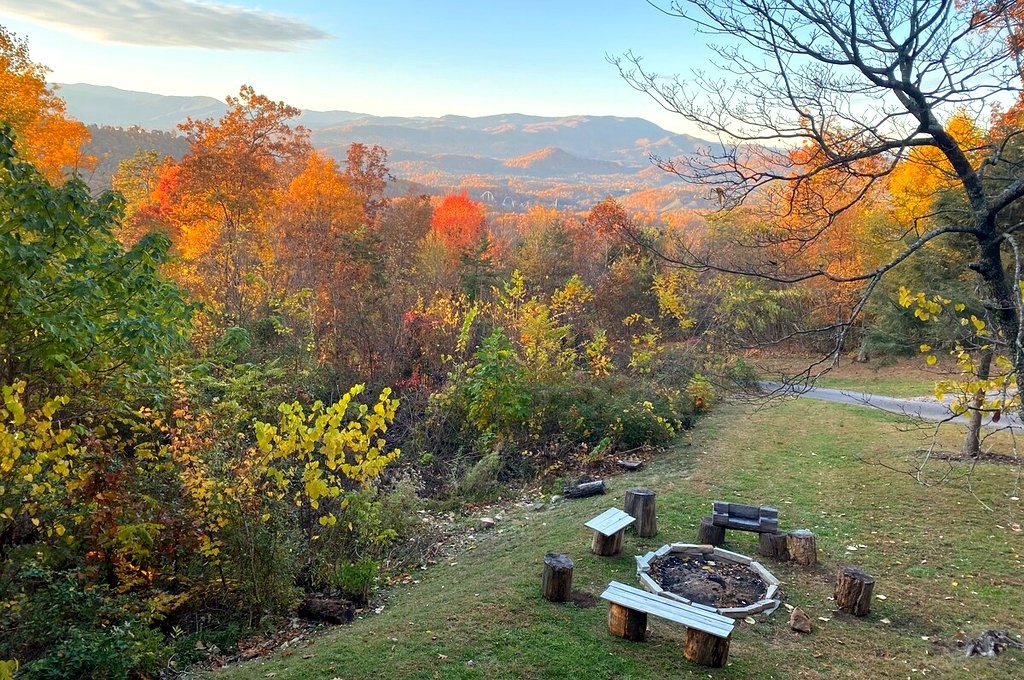 Mountain-View Fire PitS'mores with a ridgeline backdrop.
 One Private AcreNo neighbors on three sides, 800 forest acres around you.
Frequently Asked Questions
How much is a one-day pass to the Smoky Mountains?
Great Smoky Mountains National Park does not charge a traditional entrance fee, but as of recent years a parking tag is required for any vehicle parked in the park longer than fifteen minutes. Day tags are inexpensive and available online through the National Park Service or at automated machines inside the park. Weekly and annual options exist if you plan to stop multiple times.
What should I not miss in the Smoky Mountains?
If I had to pick three: a sunrise or sunset view from a real overlook, one hike with moving water at the end of it, and at least one slow evening on a deck rather than a restaurant patio. The park's quiet moments are the ones you remember, not the crowded scenic pull-offs at midday.
Can I do the Smokies and Pigeon Forge in the same day?
Yes, and most guests do. Park in the morning, town in the afternoon or evening, cabin in between. If you have kids along, our post on Pigeon Forge with a five year old lays out a version of this same rhythm scaled down for shorter attention spans.
Is one day in the Smoky Mountains enough?
One day is enough for a strong taste. It is not enough to see the whole park, and honestly, no trip is. Two or three nights lets you pair one park day with one town day and one true rest day, which is the sweet spot most repeat visitors settle into.
What is the best time of year for a day in the Smokies?
Late April through May and mid-September through October are the local favorites. Summer is beautiful but hot and busy. Winter is quiet and often stunning at the higher elevations, though some park roads close in bad weather. Check road status the morning of your trip.
If you want a Smokies day that ends with fireworks from your own deck instead of a parking lot in the dark, lock in your dates before the fall weeks fill up. The best views book earliest.
Start Planning Your Trip