 Thistle Britches
The best time to visit Pigeon Forge depends entirely on what you value most. If you want empty trails and available parking, late January through early March delivers exactly that. If you're chasing peak fall color without the chaos, the second week of October hits differently than the tourist-packed third week. And if you're hunting bargains, the windows right after New Year's and just before Thanksgiving offer cabin rates that drop noticeably from summer highs.
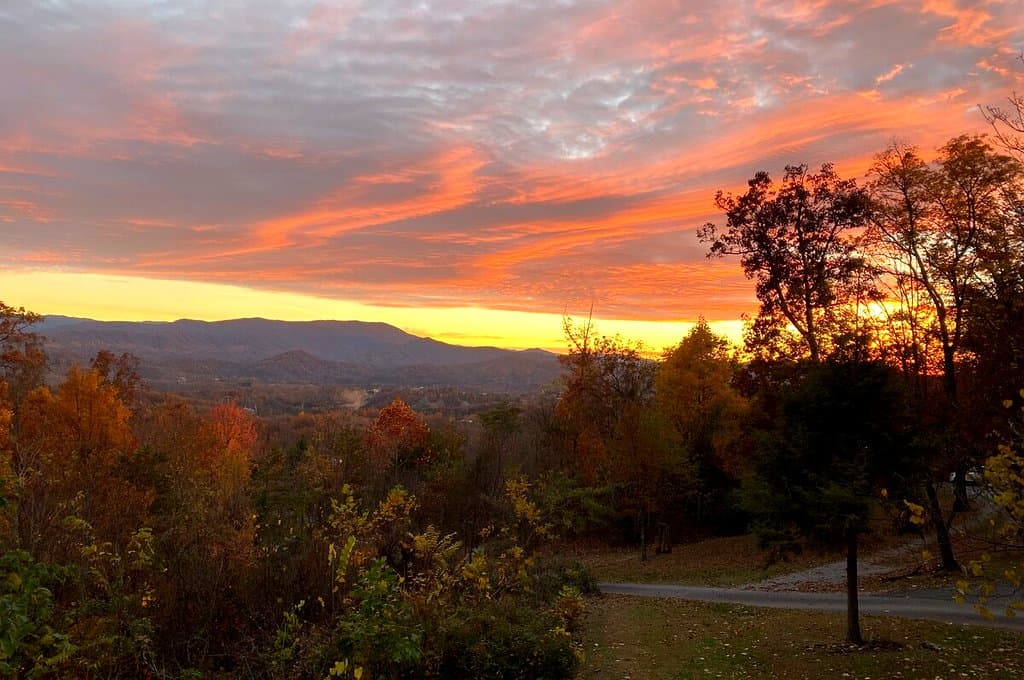
Our cabin sits above Dollywood in Sevierville, with a deck that overlooks the east side of the Smokies. We've watched every season roll through these mountains, and the difference between a Tuesday in February and a Saturday in July is staggering. Same view, completely different experience.
Key Takeaways:
- Spring (April-May) brings wildflowers, mild weather, and manageable crowds before summer rush
- Summer (June-August) means peak prices, heavy traffic, but all attractions running full schedules
- Fall (late September-October) delivers spectacular color but requires strategic timing to avoid bottlenecks
- Winter (January-March) offers the lowest rates and thinnest crowds, with trade-offs in weather and attraction hours
- Avoid October weekends, spring break weeks, and the week between Christmas and New Year's if crowds bother you
Spring in the Smokies: The Window Everyone Misses
April and May represent the sweet spot most visitors overlook. The weather sits comfortably in the 60s and 70s, wildflowers carpet the forest floor, and Dollywood opens for the season without the summer swarms. The Sugarlands entrance to Great Smoky Mountains National Park sees steady traffic but nothing like the June gridlock.
Dogwoods and redbuds bloom across the mountainsides from mid-April through early May. The spring wildflower display peaks around the third week of April, when trillium and lady slippers cover the lower elevation trails. This timing matters because by Memorial Day weekend, the seasonal magic has passed and the summer crowds have arrived.
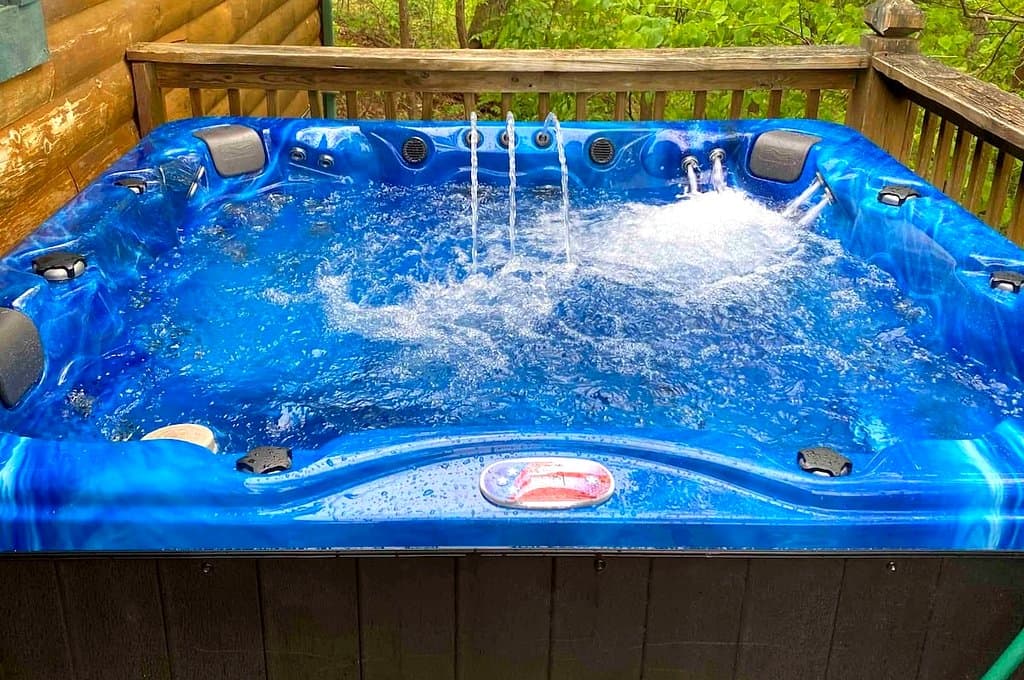
Cabin rates during spring typically run lower than summer peaks. You'll find availability without booking months ahead, and the Pigeon Forge Parkway flows reasonably well even on weekends. Restaurants seat you without hour-long waits. The hot tub on our deck feels perfect when evening temperatures drop into the 50s.
Spring does bring occasional rain. Pack layers and check National Weather Service forecasts for the Smoky Mountains before you drive up. The elevation change from Sevierville to the higher peaks means weather can shift quickly.
Summer Reality: Peak Season Means Peak Everything
Summer delivers exactly what you'd expect. Every attraction runs full throttle, every parking lot fills by mid-morning, and every cabin books solid if you wait until June to reserve. The weather hovers in the 80s with humidity that reminds you this is still the South, even in the mountains.
Families with school-age kids have no choice but summer, and the area knows it. Rates climb, minimum stays extend to three or four nights on weekends, and the Parkway traffic moves at a crawl from late morning through early evening. Dollywood's parking lots overflow, and the Sugarlands entrance to the national park backs up for miles on sunny Saturdays.
The trade-off? Everything is open and operating. Every show runs, every restaurant serves full menus, and you won't encounter the reduced hours that frustrate winter visitors. The weather cooperates more consistently than spring, and if you're willing to start your days early, you can beat some of the worst congestion.
Our cabin's hot tub gets less use in July and August, but the deck with its mountain view becomes the evening gathering spot when temperatures finally drop after sunset. The gas fireplace stays off, and the full kitchen lets you skip the restaurant lines by cooking a few meals at your own pace.
When Not to Go to Pigeon Forge?
The absolute worst times to visit are the week between Christmas and New Year's, any October weekend when leaf color peaks, and spring break weeks in March. These windows combine maximum crowds with maximum prices and minimum availability. Traffic on the Parkway can literally stop moving for hours. Attractions reach capacity and turn people away. The experience shifts from vacation to endurance test.
Fall Color: Timing Is Everything
October brings the heaviest visitation of the year, and for good reason. The fall color display across the Smokies ranks among the best in the eastern United States. But the difference between visiting during peak color on a weekend versus slightly off-peak on a weekday determines whether you remember the trip fondly or never return.
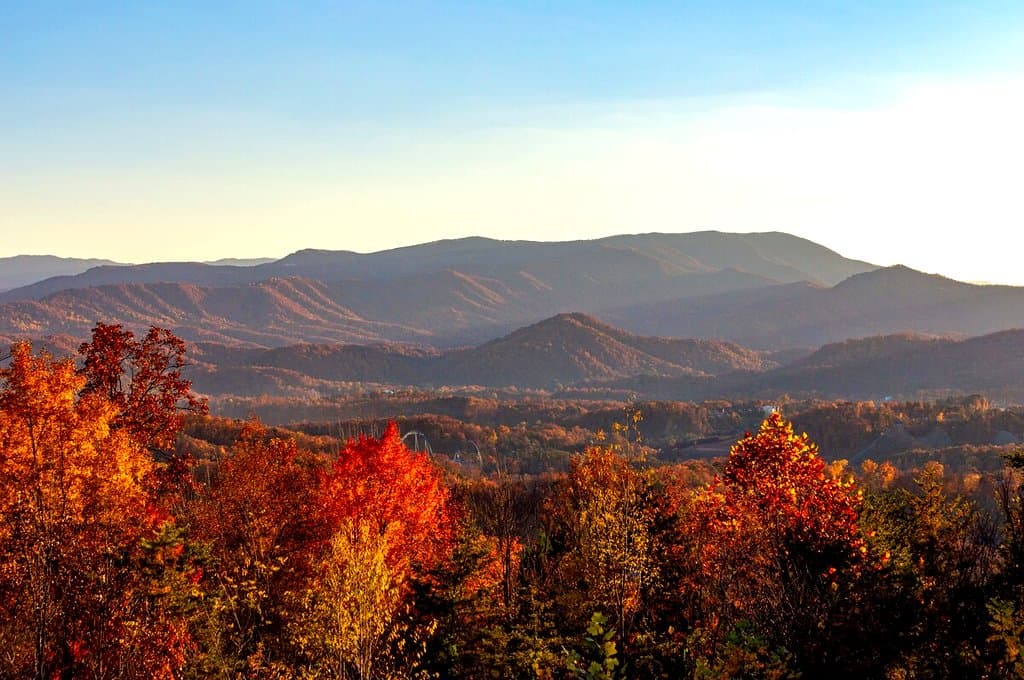
Peak color typically hits the higher elevations around the second week of October, then descends to lower elevations through the end of the month. The east side of the Smokies, visible from our cabin's deck, shows layered color as different elevations peak at different times. Early October offers partial color with smaller crowds. Late October delivers full color with chaotic traffic.
The strategy that works: arrive on a Sunday evening or Monday morning during the second or third week of October, stay through Wednesday or Thursday, and leave before the weekend rush begins. You'll see spectacular color without the gridlock. Cabin rates stay high throughout October, but midweek bookings sometimes offer slightly better value than weekend minimums.
Fall weather brings variability. Cool mornings in the 40s and 50s, warm afternoons in the 60s and 70s, and the occasional early cold snap that can drop nighttime temperatures near freezing at higher elevations. The hot tub becomes essential equipment. The gas fireplace earns its keep.
What Is the Best Month to Go to Pigeon Forge in Tennessee?
If forced to pick a single month, late April or early May wins for the combination of pleasant weather, manageable crowds, lower rates, and natural beauty. But October takes the crown if fall color matters more to you than convenience, and you can handle the crowds strategically by visiting midweek.
Winter: The Bargain Season with Trade-Offs
January through early March offers the lowest cabin rates and thinnest crowds of the year. The mountains take on a different character when winter weather moves through. Some visitors love the solitude and the cozy cabin experience. Others find the reduced attraction hours and unpredictable weather frustrating.
The first two weeks of January, right after New Year's, represent the absolute slowest period. Rates drop noticeably, and you can often book a cabin with just a few days' notice. The same applies to late January and February outside of Valentine's weekend. Many attractions reduce hours or close for maintenance during this window.
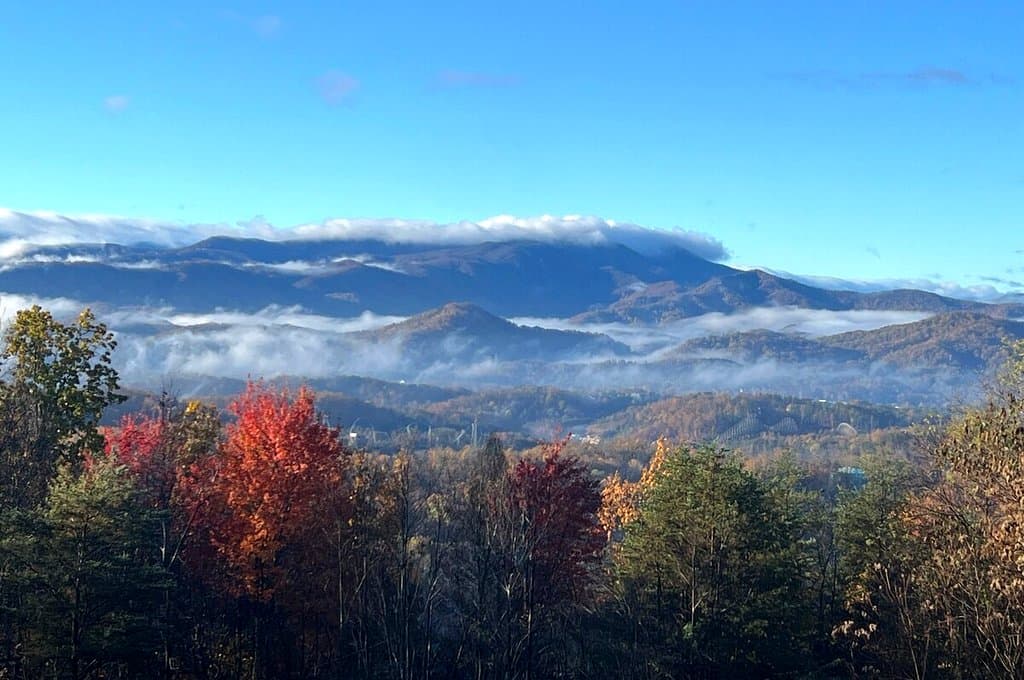
Winter weather in the Smokies varies wildly. You might get a week of sunny 50-degree days, or you might hit a cold snap with temperatures in the teens and occasional snow or ice. The cabin's gas fireplace and hot tub become the main attractions. The deck with its mountain view offers dramatic winter scenery when storms move through.
Gatlinburg and Pigeon Forge stay open year-round, but some restaurants and smaller attractions close or operate on reduced schedules. Great Smoky Mountains National Park remains accessible, though some roads close seasonally and weather can change hiking plans quickly.
Experience the Smokies from a cabin that showcases the best of every season. Our deck overlooks the east side of the mountains, our hot tub stays ready year-round, and our gas fireplace keeps you comfortable when mountain weather rolls in.
Book Your Stay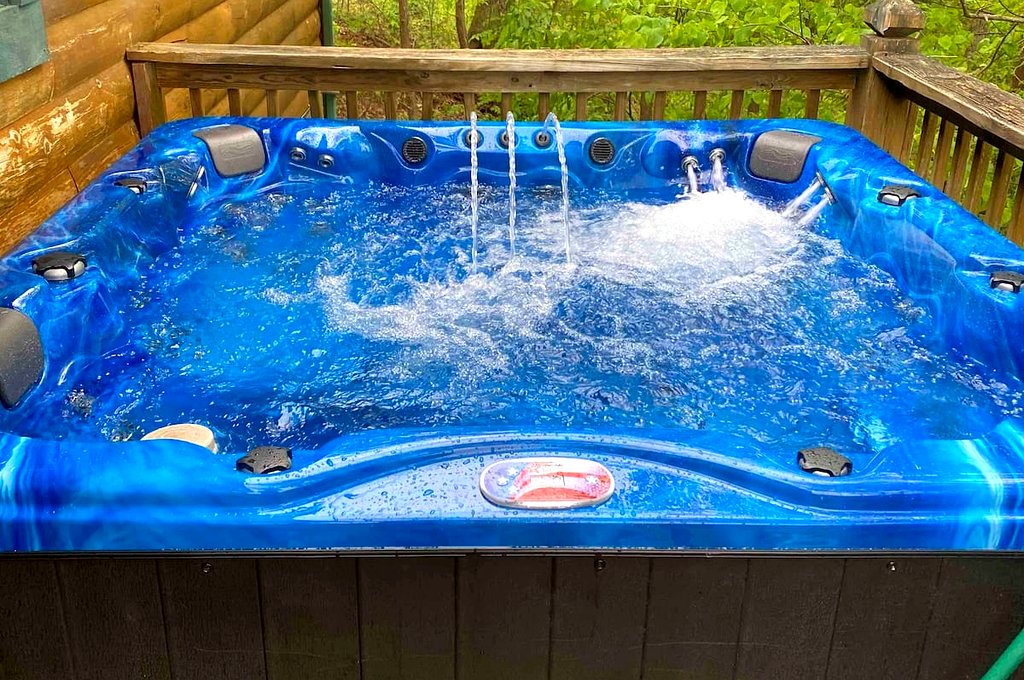 56-Jet Luxury SpaBluetooth, subwoofer, LED waterfall.
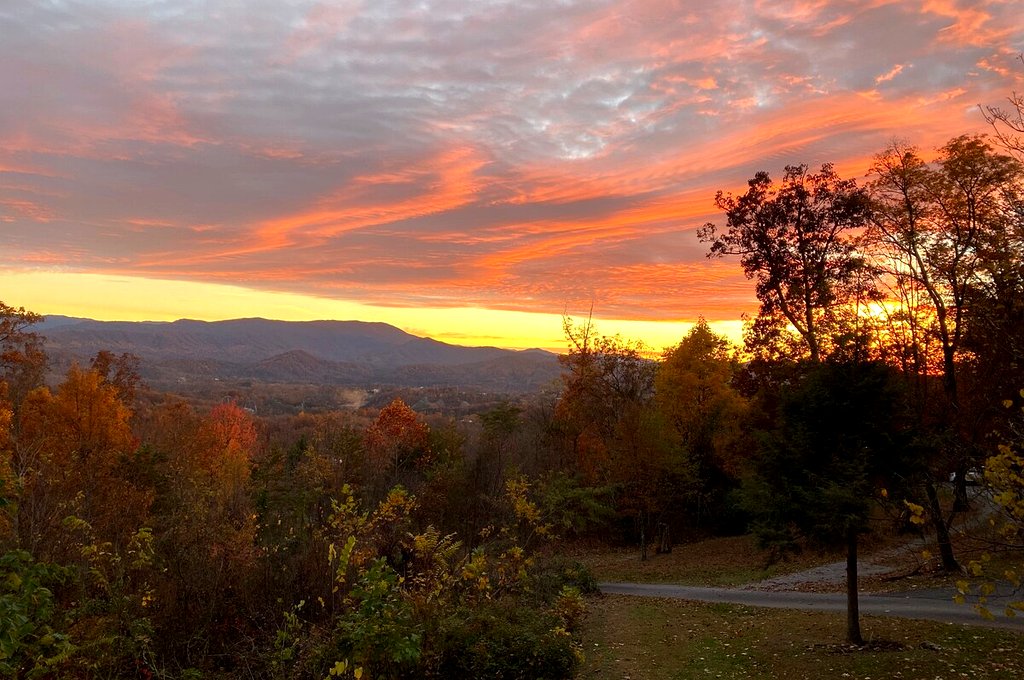 Mountain-View EveningsWatch the evening light change over the mountain ridges.
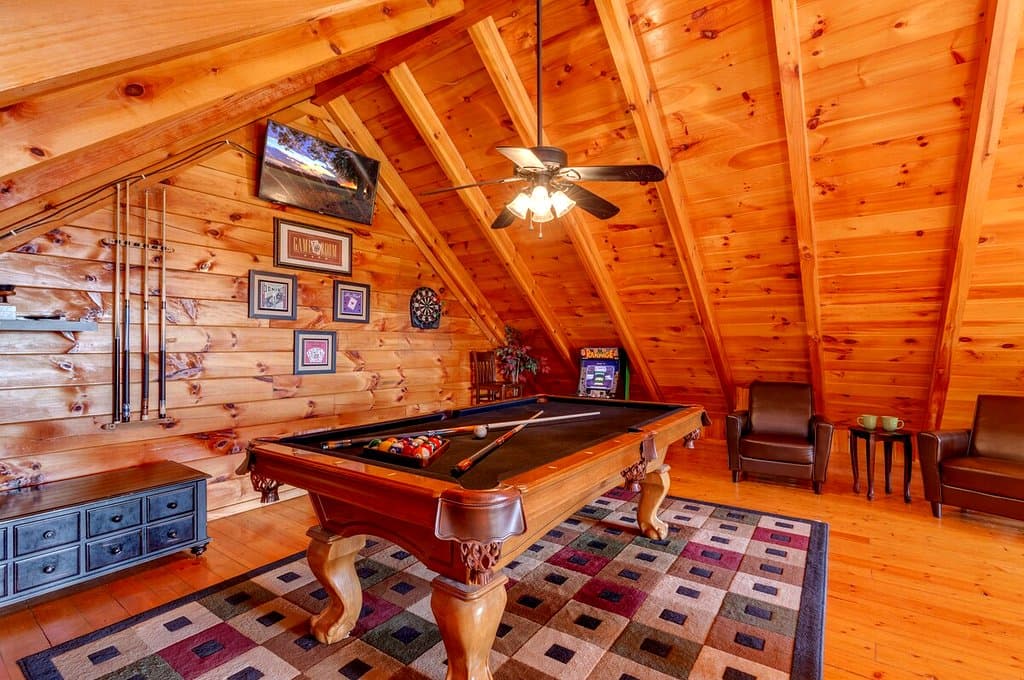
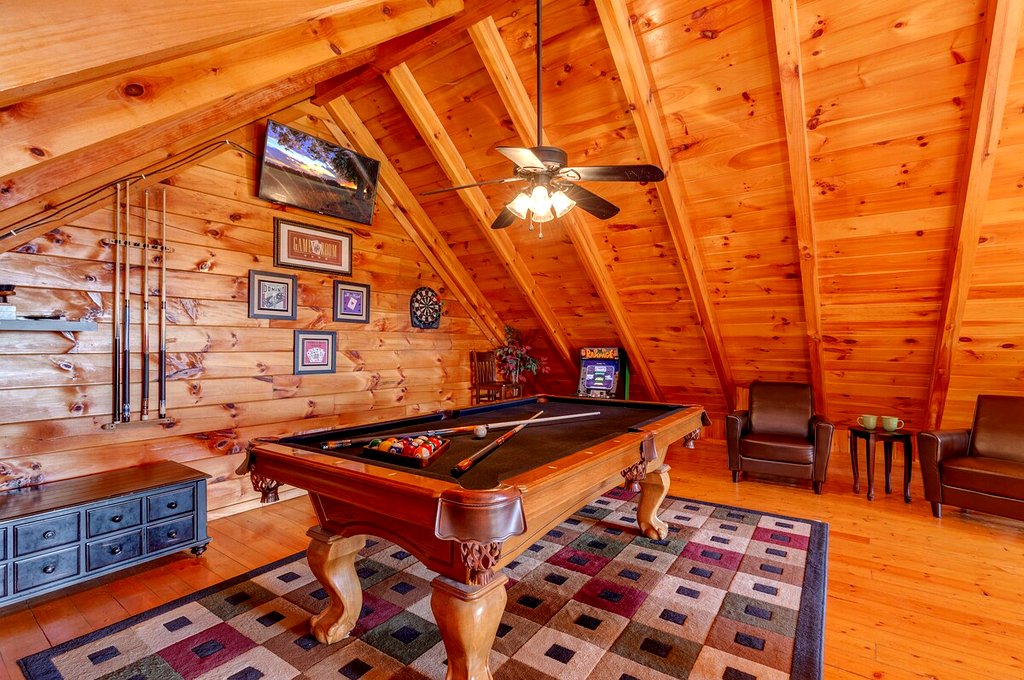 Game RoomPool table, arcade, darts, Xbox.
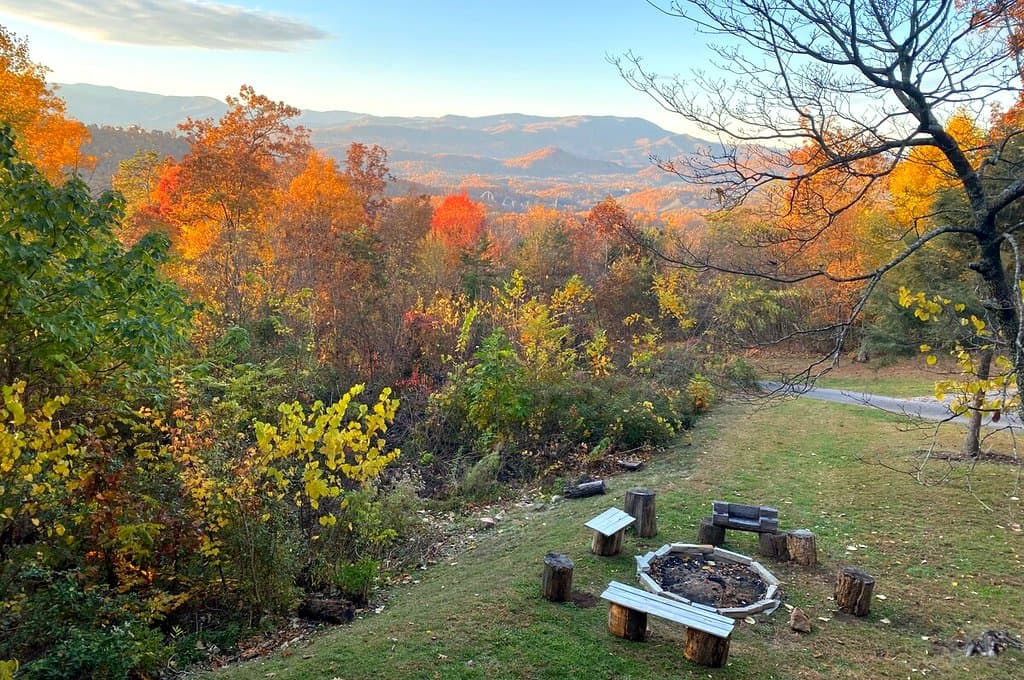
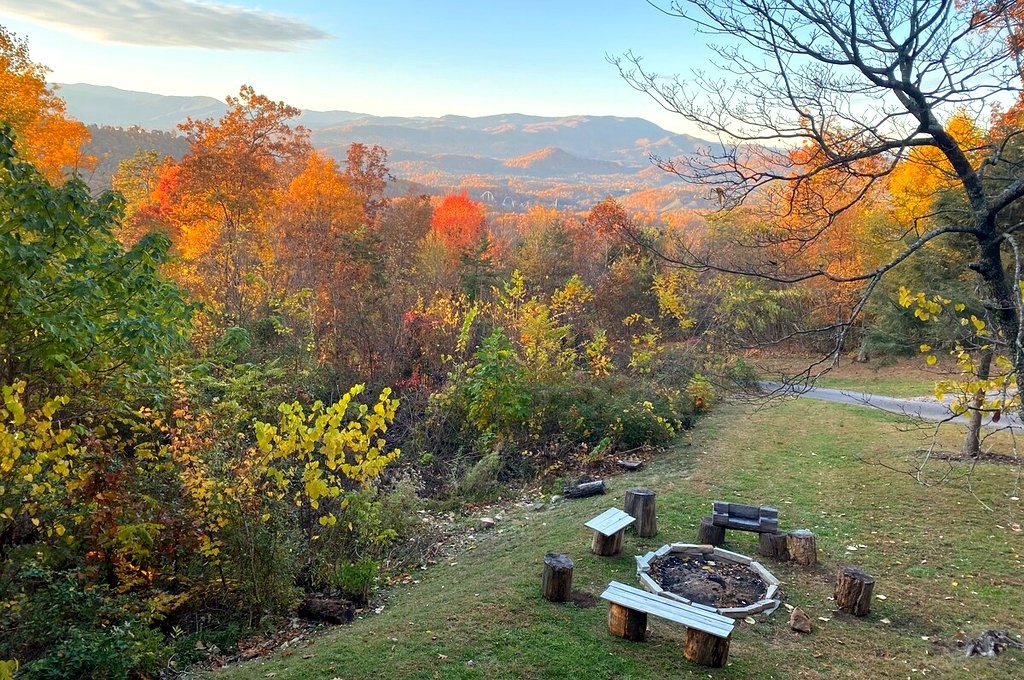 Mountain-View Fire PitS'mores with a ridgeline backdrop.
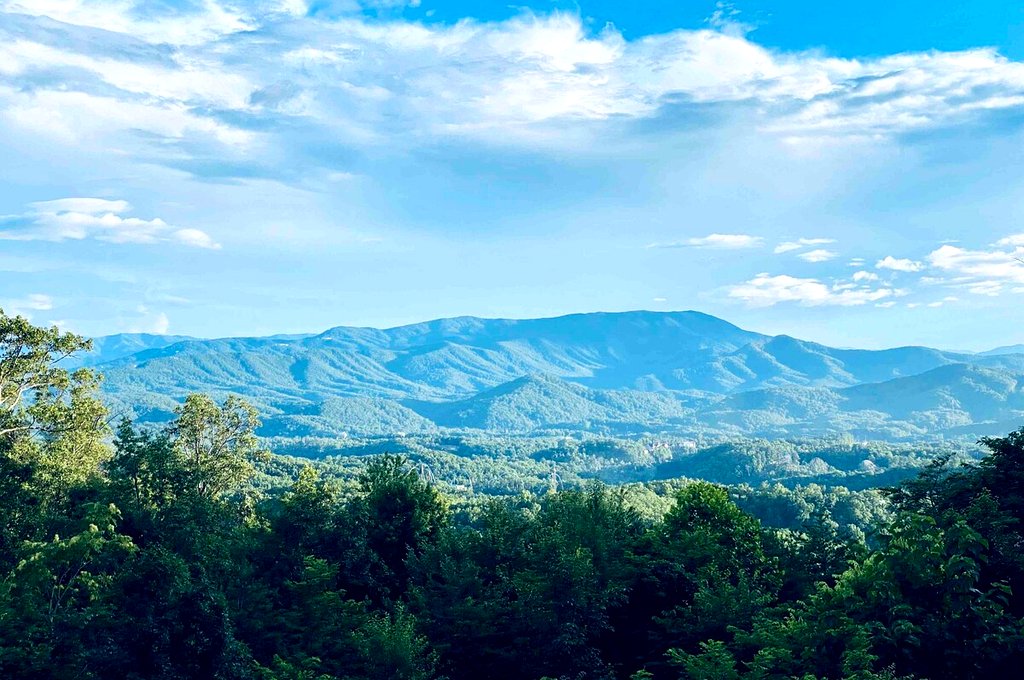 One Private AcreNo neighbors on three sides, 800 forest acres around you.
What Is the Cheapest Time to Go to Pigeon Forge?
The cheapest time to visit Pigeon Forge runs from early January through late February, excluding Valentine's weekend. Cabin rates drop significantly, restaurants offer off-season specials, and attraction tickets sometimes come with discounts or package deals. The trade-off is weather uncertainty and reduced operating hours at some venues.
The Biggest Mistake First-Time Visitors Make
First-timers consistently make the same error: they assume October is just generically better than other months, so they book a random weekend and expect magic. Then they sit in traffic for three hours trying to drive six miles, wait 90 minutes for a table at a mediocre restaurant, and return home swearing they'll never come back.
The solution is strategic timing within each season. Every month has good weeks and bad weeks. Every week has good days and bad days. October weekends are objectively terrible. October Tuesdays are spectacular. July Saturdays mean gridlock. July Thursdays flow reasonably well.
The second mistake is overscheduling. Pigeon Forge rewards the unhurried visitor who builds in flexibility. Book a cabin with amenities you'll actually use. Plan one or two main activities per day. Leave room for discovering a local breakfast spot or spending an afternoon on the cabin deck with a book and a mountain view.
The cabin experience itself is half the point of visiting the Smokies. If you're just using it as a place to sleep between frantically driving to attractions, you're missing what makes this area special. The pace here should slow down, not speed up.
Is Pigeon Forge Nicer Than Gatlinburg?
Pigeon Forge and Gatlinburg serve different purposes. Gatlinburg sits tighter against the national park and offers a more walkable downtown with mountain town charm. Pigeon Forge spreads along the Parkway with more space, more attractions, and easier parking. Our cabin sits above Dollywood in Sevierville, giving you quick access to both towns. Most visitors find value in experiencing both rather than picking sides.
Matching Your Visit to Your Priorities
The best time to visit Pigeon Forge ultimately depends on ranking your priorities. If avoiding crowds tops your list, late January through early March or late April through mid-May wins. If seeing fall color matters most, accept the October crowds and visit midweek during the second or third week. If you need summer vacation timing, book early and embrace the chaos with a strategy.
Budget-conscious visitors should target the windows right after major holidays: early January, the week after Easter, late November before Thanksgiving week. Rates drop during these periods, and crowds thin out enough to notice the difference.
Weather reliability matters most? Late April through May and September through early October offer the most consistently pleasant conditions. Summer brings heat and humidity but fewer weather surprises. Winter delivers the widest variability.
Our cabin works for every season because the amenities adapt. The hot tub feels perfect on cool spring evenings and cold winter nights. The deck with its mountain view showcases spring wildflowers, summer greenery, fall color, and winter storms. The gas fireplace takes the chill off October mornings and January evenings. The full kitchen lets you control your own schedule regardless of restaurant hours or crowds.
Ready to experience the Smokies during the season that matches your style? Our cabin above Dollywood welcomes guests year-round, and we welcome pets too. Every season brings something different to that east-facing mountain view.
Start Planning Your Trip